PunchAfrican leaders urged to unite for economic, global influenceCNN Türkİstanbul'da sağanakta yol çöktüThe Jerusalem PostZelensky hopes US election outcome will generate more help for UkraineInquirerFour dead, 1 missing as firecracker factory caught fire in PangasinanDaily MaverickCRACKS IN THE EDIFICE: The night the Maga fever broke and the moral arc bent back towards justice한겨레[뷰리핑] 김민석, ‘신천지 사과’ 후폭풍ZDF heuteEntdecken Sie das ZDF-NachrichtenstudioLa PresseIncendie funeste sur une base militaire en Alberta | De nombreux militaires toujours à l’hôpitalESPNRavens look to stabilize crumbling season with QB Jacoby BrissettBillboardJimmy Kimmel Takes Dig at Trump With Nicki Minaj Joke: ‘The Only A– on Trump’s Mind Tonight Is the One That Got Handed to Him’매일경제[MK 골든크로스 돌파종목 : 대웅(003090) & 하림지주(003380)]The Sydney Morning HeraldJordon Steele John’s ex arrested on stalking charges as WA Greens inquiry begins
The Daily Newsstand · Free, Always
Thursday, November 5, 2026

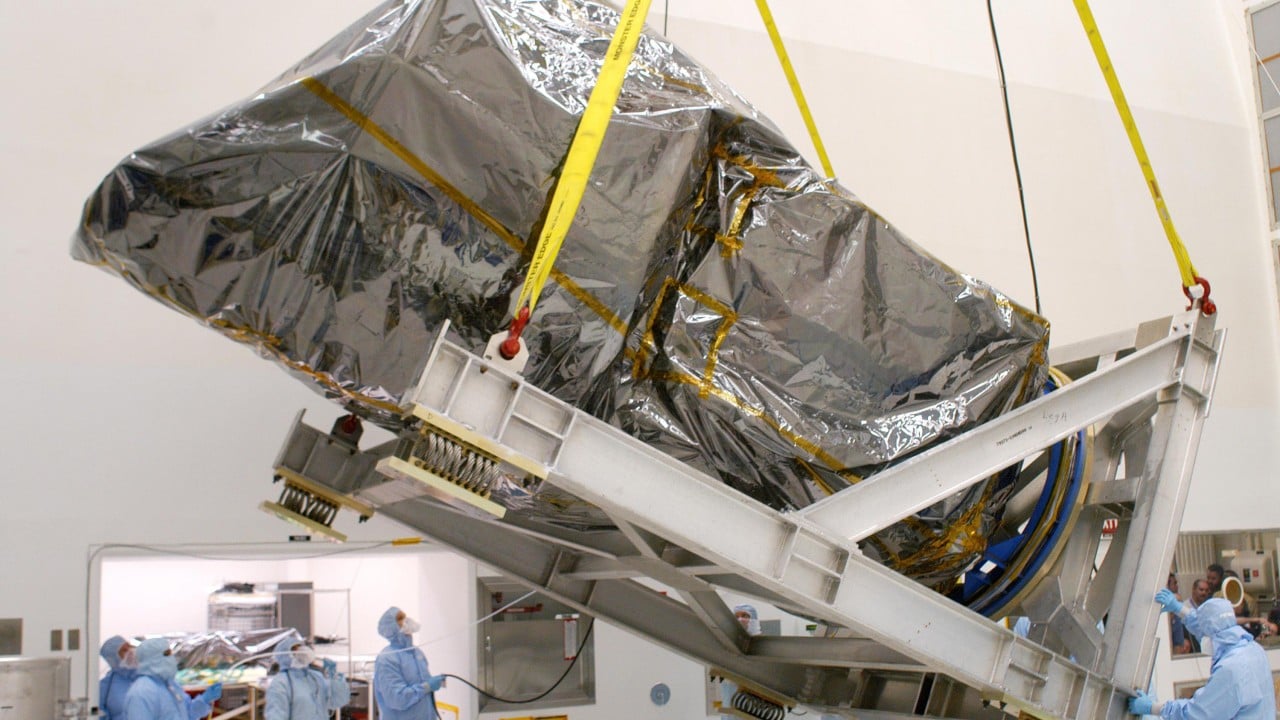
Nasa’s 22-year-old Swift satellite telescope falls from orbit in fiery finale
Translate

Nasa’s Swift satellite ⁠telescope, which spent two decades studying the most powerful known blasts of energy in the cosmos, tumbled out of orbit as expected on Wednesday and burned up in Earth’s atmosphere over Indonesia, the space agency reported.

The fiery demise of the Neil Gehrels Swift Observatory, weighing roughly 3,200 pounds (1,452kg), came less than three months after a ‌rescue spacecraft failed its mission to boost the satellite to higher orbit and extend its life.

The US Space Force confirmed that Swift’s re-entry occurred at 7.39am, as the satellite streaked into the upper atmosphere at about 22 times the speed of sound over Indonesia’s North Sumatra province, roughly 200 miles (322km) north of the equator, according to Nasa.

View the original on South China Morning Post →

KioskNews shows a cleaned-up reading view extracted from the publisher’s page — the original always lives on their site, not ours.