China’s Li Qiang vows more high-value imports as trade surplus faces scrutiny
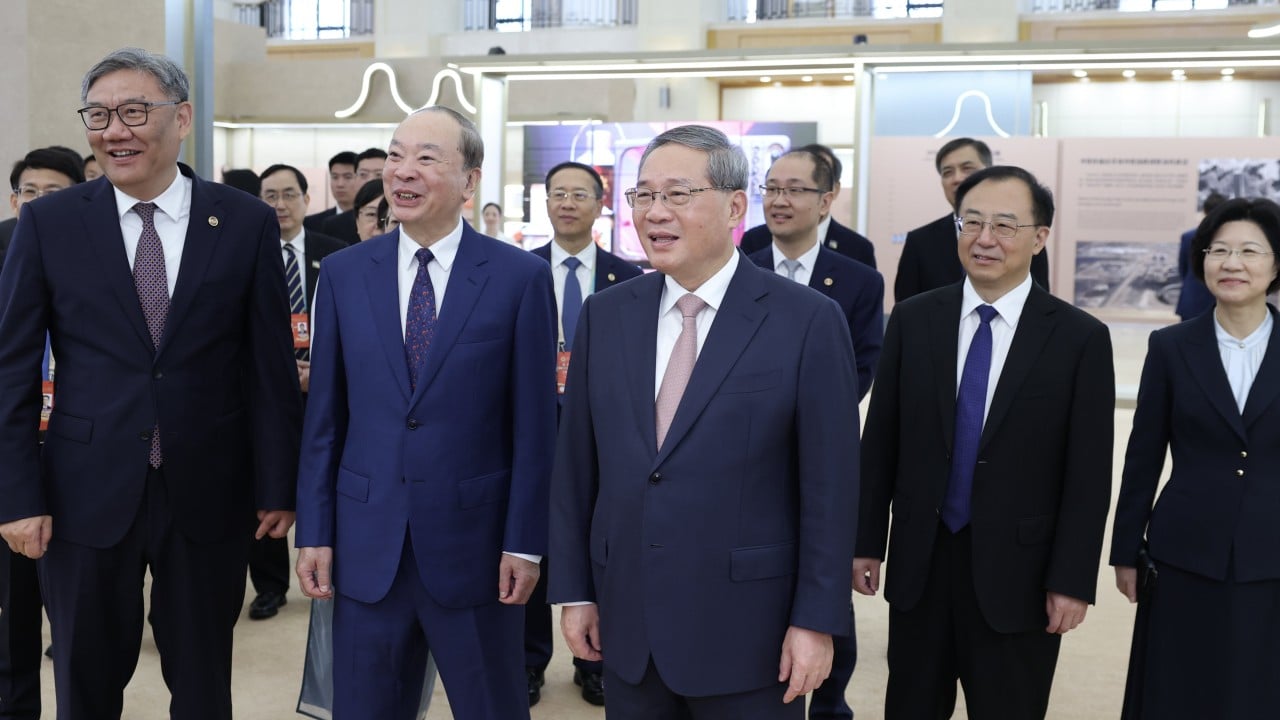
Premier Li Qiang said on Wednesday that China stands ready to import more high-quality goods, particularly high-value-added products, as part of efforts to promote more balanced trade.
Li made the pledge at a symposium for the autumn session of the biannual Canton Fair, China’s largest foreign trade exhibition. The nearly three-week-long event officially opens on Thursday, with more than 32,000 exhibitors and 210,000 overseas buyers registered in advance.
“International trade is not merely figures on a ledger, but a voluntary choice to enhance well-being,” Li said during the keynote speech, according to a readout from state news agency Xinhua.
“As both a ‘super seller’ and a ‘super buyer’, China delivers predominantly ‘neighbour-benefiting’ and ‘neighbour-enriching’ positive spillovers to all partners,” he added.
His remarks came as the fair marks its 70th anniversary and China’s growing trade surplus faces heightened scrutiny from Western nations, whose officials have warned about the risk of deindustrialisation in pillar sectors.
Li said market connectivity should not be treated as a “bargaining chip” in geopolitical contests, but as an effective way to generate economic growth. Beijing would continue to pursue high-quality development, expand high-level opening-up and inject greater momentum into the global economy through practical measures, he added.
The premier also met about 70 business leaders from 30 countries and regions at a business round table held on the sidelines of the trade fair on Wednesday.
He said ties between China and overseas companies were expanding beyond trade to include innovation, investment and supply-chain cooperation, creating new opportunities for businesses to benefit from the country’s development and strengthen global economic links.
China would accelerate the development of a modern industrial system, including new power grids, computing networks and next-generation communications networks, Li said.
He welcomed global companies to invest in China, expand their presence in the country and deepen practical cooperation across supply chains to create more open and resilient global supply chains.
Exporters at the Canton Fair are expected to showcase emerging technologies including AI-guided medical capsules, service robotics and high-displacement motorcycles. The event is also using AI-powered maps to guide buyers to specific booths.
Total outbound shipments from China rose 36.3 per cent year on year to US$447.18 billion in September, customs data showed on Wednesday. Imports grew by 31 per cent to US$313.65 billion.
Export growth was supported by demand for hi-tech gear such as chips and electronic components amid a global boom in AI computing power and electricity infrastructure, according to the General Administration of Customs.
SCMP Plus is a new premium news platform that gives you an
all-inclusive edge to stay ahead on China news.
To access our exclusive content you’ll need to subscribe.
Already a subscriber?
LOG IN
Beijing and Washington recently agreed to US$30 billion in mutual tariff cuts on goods including appliances, toys and agricultural products. China’s exports to the United States also rose last month from a low base last year, growing 39.56 per cent.
Chinese exporters are also facing tighter European rules on carbon tariffs and hybrid vehicles. While Chinese shipments to the European Union rose 25.25 per cent in September, the two sides reached a surprise deal on Friday that will impose strict quotas on Chinese hybrid car exports to Europe, among other measures.
KioskNews shows a cleaned-up reading view extracted from the publisher’s page — the original always lives on their site, not ours.