Where Philippine ducks gather, Apayao’s wild riches come into view
Already have Rappler+?
to listen to groundbreaking journalism.

VULNERABLE. Philippine ducks, endemic Philippine waterbirds, are one of the species recorded in Santa Filomena in Apayao. DENR classifies it as 'vulnerable.'
DENR Cordillera
The findings will be used to guide habitat protection and wildlife monitoring while supporting responsible birdwatching and nature-based tourism
AT A GLANCE
- A three-day bird survey in Calanasan, Apayao, recorded over 427 birds from 23 species, including 322 Philippine ducks, highlighting the area's rich biodiversity.
- The survey was conducted by the Department of Environment and Natural Resources-Cordillera in partnership with local governments and aimed to establish baseline data for conservation efforts.
- The findings emphasize the importance of protecting Apayao's natural heritage as part of the UNESCO-designated Apayao Biosphere Reserve, which is home to various threatened species.
This is AI-generated. Read the article for full context. Report any errors.
BAGUIO, Philippines – Hundreds of Philippine ducks gathered in the wetlands of Calanasan, Apayao, where a three-day bird survey counted more than 300 of the endemic species together with threatened hornbills and other birds.
The survey recorded 427 birds from 23 species in the village of Santa Filomena, adding to scientific knowledge of a forest landscape in northern Luzon that is gaining recognition for its exceptional biodiversity.
Calanasan, the northernmost municipality of Apayao in the Cordillera region, is a landscape of extensive forests, winding rivers and mountain habitats. Its forests shelter the Philippine Eagle and other rare wildlife and plants, and form part of the Apayao Biosphere Reserve, designated by UNESCO in 2024.
The survey was conducted by the Department of Environment and Natural Resources-Cordillera through its Community Environment and Natural Resources Office (CENRO) in Calanasan, in partnership with the municipal and provincial governments, local environment and tourism offices, and Provincial Green Guards.
The team set out to identify the bird species living in Santa Filomena, estimate their numbers and establish baseline data for future monitoring, habitat management and conservation.
Observations were made at Mawanan Resort and Casiggaman in Purok 7, and at Sinigpit and the Bridge Area in Purok 3, including sites near rivers and wetlands frequented by resident and migratory birds.
The most striking result was the number of Philippine ducks (Anas luzonica). Surveyors counted 322, making the species by far the most numerous recorded during the three-day survey.

Endemic to the Philippines, the Philippine duck was classified as “vulnerable” on the country’s national list of threatened wildlife. Its presence in such numbers adds an important record to the growing picture of birdlife in Apayao, where forests and wetlands provide habitat for a remarkable range of species.
Its global status, however, was revised by the International Union for Conservation of Nature in 2025 from “vulnerable” to “least concern,” based on updated information and assessment.
The survey also recorded two other nationally threatened Philippine endemics: the rufous hornbill (Buceros hydrocorax), classified by the DENR as “endangered,” and the Luzon hornbill (Penelopides manillae), classified as “vulnerable.”
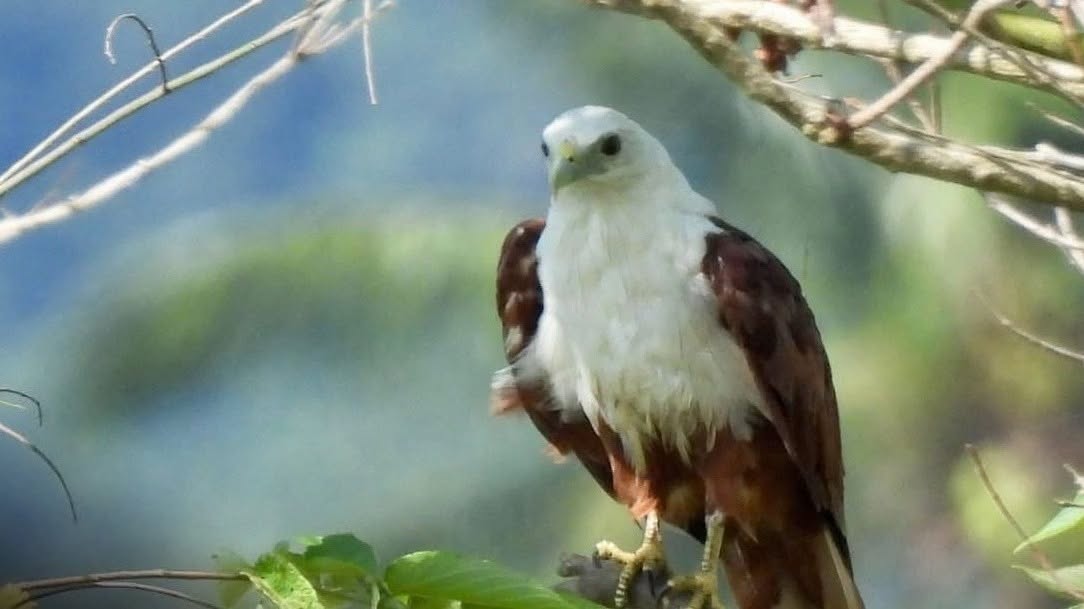
The survey report includes visual documentation of the Luzon hornbill and Philippine duck, together with species such as kingfishers, bee-eaters, herons, Brahminy kites, bulbuls, doves and the Philippine serpent eagle.
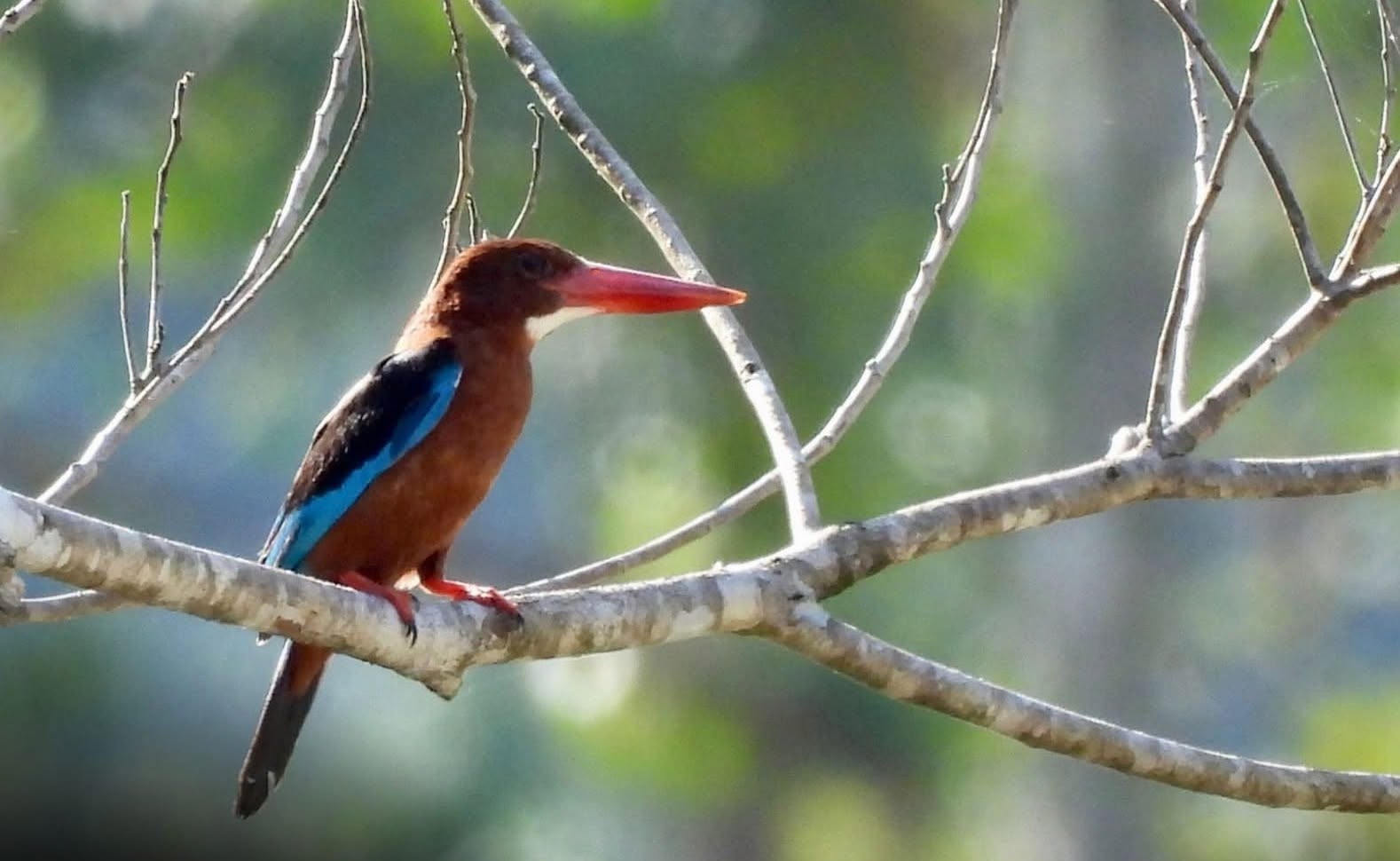
The sightings show birds using a range of habitats in Santa Filomena, from forest canopies and woodland edges to rivers, wetlands and open areas.
“The findings of the avifaunal survey in Barangay Sta. Filomena highlight Apayao’s rich biodiversity and reinforce our responsibility to protect its natural heritage as part of the Apayao Biosphere Reserve,” CENRO Calanasan officer-in-charge Dorothy Joy Cayaba told Rappler.
Cayaba said DENR-CAR intends to use the findings to guide habitat protection, wildlife monitoring and other conservation work while exploring responsible birdwatching and nature-based tourism.
The findings add to a series of notable biodiversity records from Calanasan. Philippine eagle nesting sites have been documented in the municipality, while recent botanical work identified endemic plants, including Medinilla calanasan and Vaccinium kilangensis. Some of these sites lie within the core zone of the Apayaos Biosphere Reserve.
UNESCO said the biosphere reserve covers about 3,960 square kilometers across Apayao and includes the Apayao Lowland Forest Key Biodiversity Area, known for its high levels of endemism and habitat for threatened species such as the Philippine Eagle.
Cayaba said CENRO Calanasan would continue working with local governments and community partners to translate the survey findings into conservation measures.
Future monitoring can help determine whether the large concentration of Philippine ducks and the presence of threatened hornbills persist over time, as well as which parts of Santa Filomena require the closest protection. – Rappler.com
KioskNews shows a cleaned-up reading view extracted from the publisher’s page — the original always lives on their site, not ours.