7 Comedy Movies From The 1960s That Have Aged Like A Fine Wine

Senior Music Editor at Screen Rant, Sarah's love of sound and story drive the beat. A globetrotting brand whisperer and award-winning journalist, she’s built cross-cultural narratives around the world—but music has always been her true north. She launched DJ Mag North America, successfully introducing the iconic UK brand to the U.S. market. Previously, she carved a space for EDM inside the pages of VIBE, blending electronic and hip-hop culture long before it was trendy.
Summary
- 1960s comedies often age well, growing sharper as their core ideas outlast dated references.
- Timeless themes—bureaucracy, greed, fame, and roommate friction—keep the laughs relevant.
- Standouts include Dr. Strangelove, The Apartment, A Hard Day's Night, Pink Panther, Producers, Odd Couple.
Nothing exposes a movie's age faster than a joke that lands with a thud.
Comedy may be the least forgiving genre when it comes to getting older. References disappear, social attitudes change, and a performance that once had audiences roaring can become painfully awkward decades later. Plenty of movies from the era now require viewers to make allowances before the first punchline even arrives.
Then there are the rare comedies that somehow get better with age. Much like these forgotten fantasy movies that aged like fine wine or Disney movies that still hold up surprisingly well, their longevity has less to do with nostalgia than with the ideas underneath them.
The 1960s produced an unusually strong batch. Workplace misery remains recognizable. So does political incompetence, friendship strained by living together, and the spectacular things people will do for money. Even A Hard Day's Night, which practically crackles with 1964, feels more alive than preserved.
Consider these seven the bottles that were worth leaving in the cellar. More than half a century later, they still go down remarkably easily. Get the corkscrew out.
Dr. Strangelove (1964)
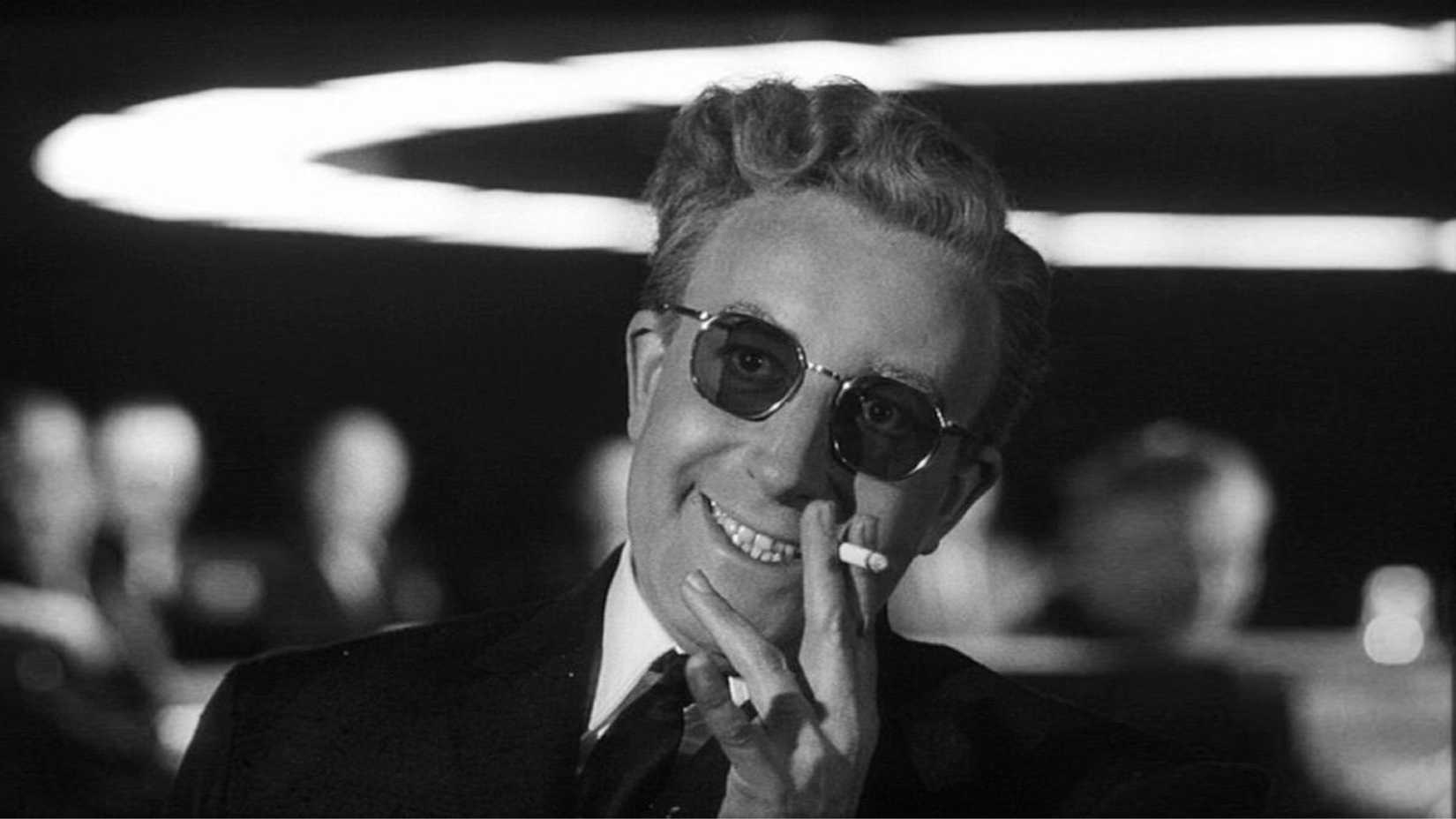
Nuclear annihilation remains an audacious subject for a comedy, which is exactly why Dr. Strangelove has lost so little of its bite. Stanley Kubrick surrounds the people capable of ending civilization with ego, bureaucracy, and astonishing levels of incompetence. Peter Sellers' three performances provide plenty of laughs, but George C. Scott's General Turgidson treating catastrophe like an exciting military exercise may be even better.
The Cold War specifics belong firmly to the 1960s. The joke underneath them does not. Powerful people remain perfectly capable of making terrible decisions while insisting they are the smartest adults in the room, making the War Room sequences feel disturbingly familiar. The movie's escalating absurdity culminates in Slim Pickens riding a nuclear bomb toward Earth, an image that somehow remains both ridiculous and horrifying.
The Apartment (1960)


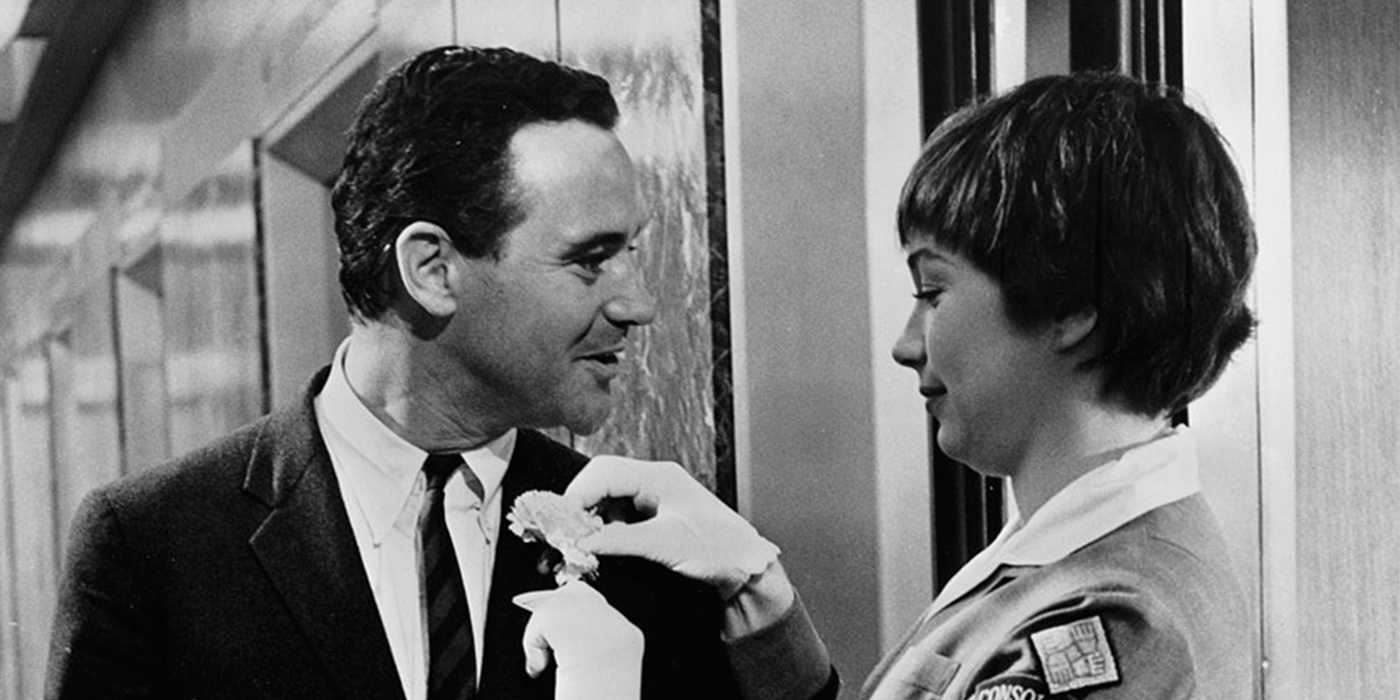
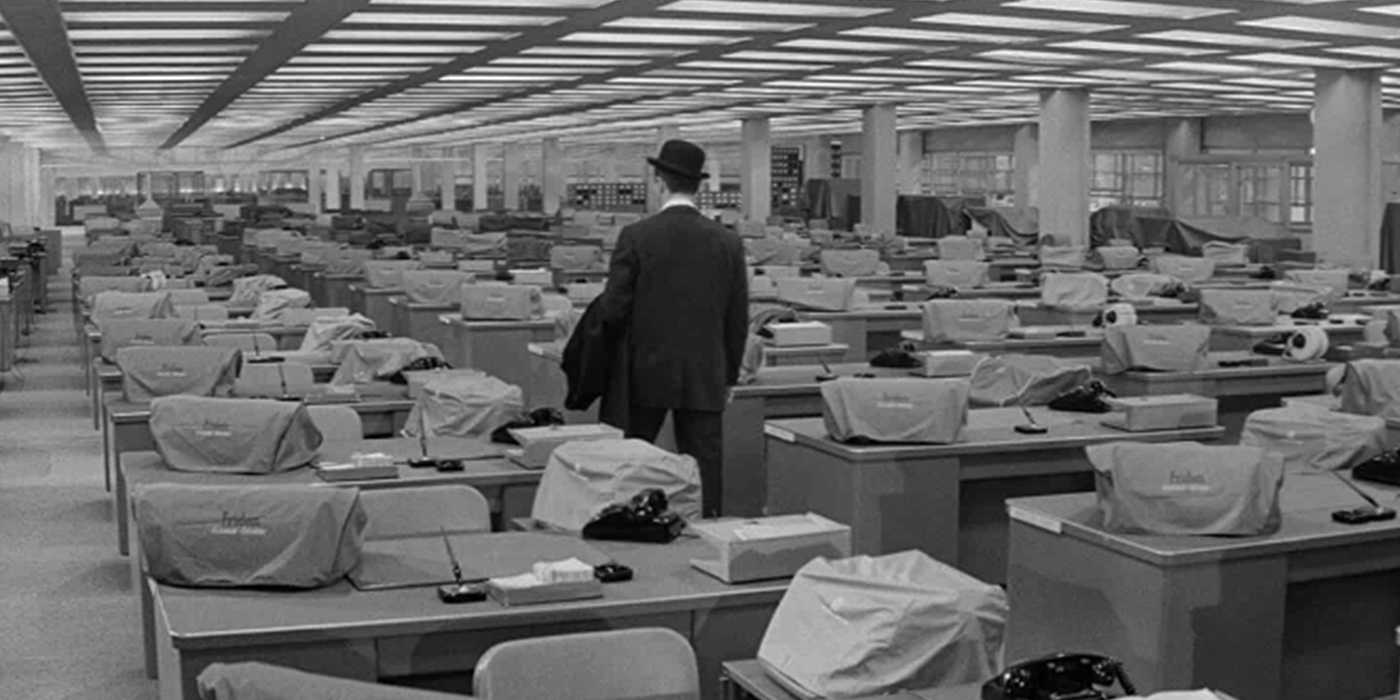
C.C. Baxter has found an efficient way to advance at work: loan his apartment to married executives conducting affairs and hope they remember the favor when promotions come around. Billy Wilder takes that wonderfully cynical setup and slowly reveals the loneliness underneath it, with Jack Lemmon making Baxter ambitious, sympathetic, and occasionally pathetic at the same time.
The office culture is unmistakably 1960, but the machinery around it has barely gone anywhere. Less deserving people still rise because they understand how to work the system, while employees convince themselves that one more compromise will eventually pay off. The Apartment remains one of Jack Lemmon's greatest movies because its romantic comedy and corporate satire have only become easier to recognize.
A Hard Day's Night (1964)
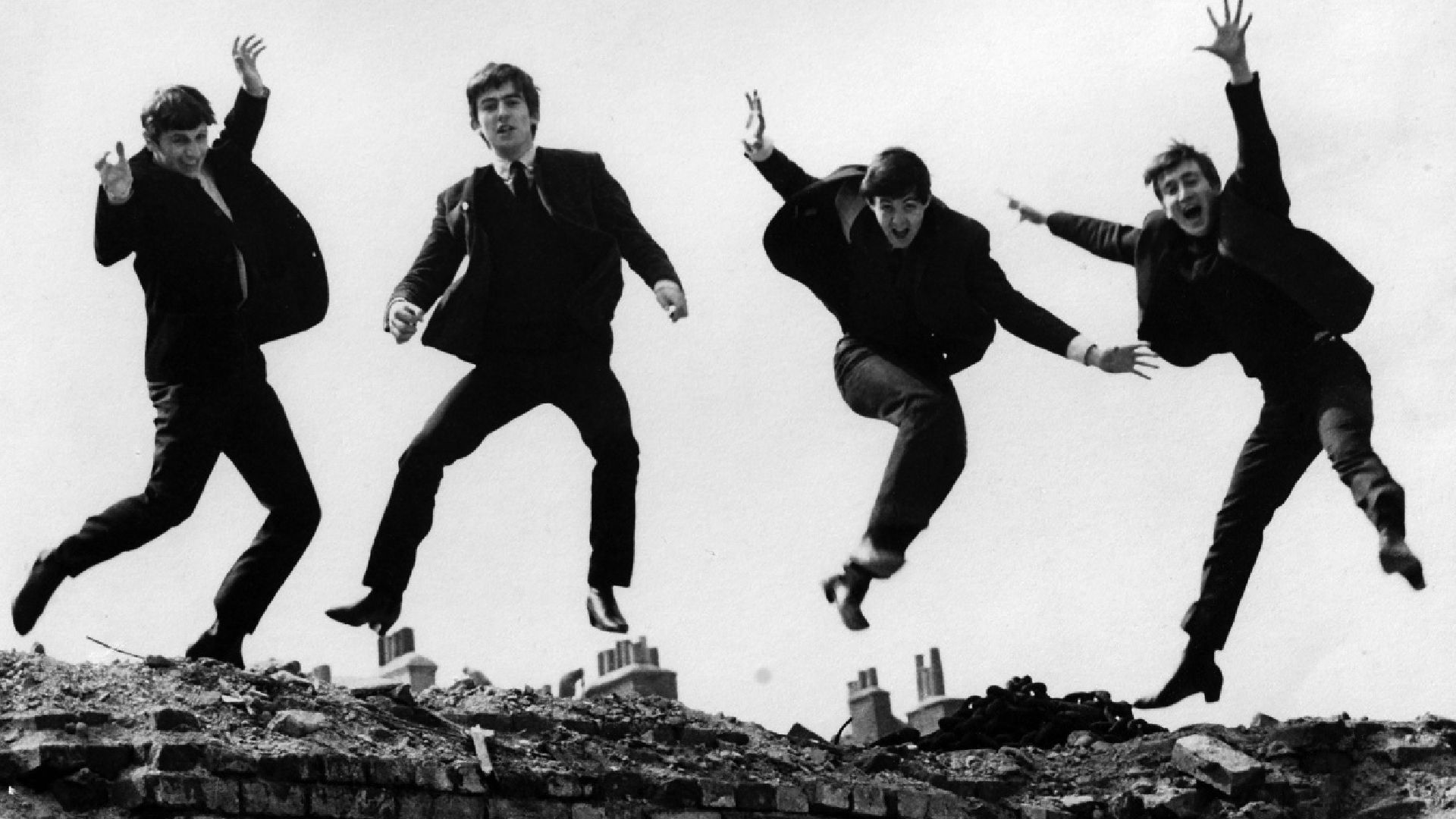
Movies built around pop stars frequently age faster than the music that inspired them. A Hard Day's Night escaped that fate by letting The Beatles behave like four funny young men who find the machinery surrounding their fame slightly ridiculous. Richard Lester's loose, almost documentary-like approach gives John Lennon, Paul McCartney, George Harrison, and Ringo Starr room to bounce off one another rather than perform carefully manufactured personas.
Much of the humor comes from watching authority figures attempt to control people who have no interest in cooperating. George enduring a marketing executive's explanation of what young people supposedly want remains especially good because versions of that meeting are undoubtedly happening somewhere today. Beatlemania dates the movie beautifully rather than badly; the speed and irreverence make it feel like everyone involved has somewhere more interesting to be.
The Pink Panther (1963)

Inspector Jacques Clouseau was not supposed to become the main attraction in The Pink Panther. David Niven's suave jewel thief is closer to the center of the plot, but Peter Sellers keeps stealing the movie simply by allowing Clouseau to remain completely convinced of his own competence.
That confidence is what has aged best. Clouseau does not need contemporary references or complicated setups to be funny; he merely has to enter an elegant room and misunderstand almost everything happening inside it. Sellers also keeps him slightly more grounded here than in some later sequels, which makes the physical comedy hit harder. Every stumble becomes funnier because Clouseau still believes everyone else is the problem.
The Producers (1967)

Max Bialystock and Leo Bloom discover what appears to be the perfect Broadway scam: raise too much money for a guaranteed flop, watch it close immediately, and keep the difference. Their only serious mistake is choosing Springtime for Hitler and accidentally producing something audiences adore. Mel Brooks understood that bad taste had to be pushed all the way for the joke to work.
The concept has proven almost absurdly durable. Brooks later turned the movie into the Broadway musical that won a record 12 Tony Awards, and the show continues to be revived decades later. The film itself almost carried the title Springtime for Hitler before a producer intervened, a fascinating piece of The Producers' title history. Its central joke has aged beautifully: nobody in entertainment can reliably predict what audiences will love, particularly when everyone involved is desperately hoping they hate it.
The Odd Couple (1968)


Oscar Madison and Felix Ungar barely need a plot. Put Walter Matthau's committed slob and Jack Lemmon's compulsive neat freak in the same apartment, then give them enough time to discover exactly how much another person's habits can destroy your peace.
The details have changed less than anyone who has lived with another human being would probably like. Cleaning, cooking, noise, and the apparently correct way to use a shared room can still escalate into genuine warfare. Matthau and Lemmon make the irritation convincing because their friendship never disappears underneath it. Oscar and Felix drive each other mad precisely because they care enough to keep trying, which gives the comedy more warmth than the premise initially promises.
It's A Mad, Mad, Mad, Mad World (1963)

A dying criminal reveals where he buried $350,000, and a collection of otherwise ordinary adults immediately loses whatever sense of dignity they had. Stanley Kramer then spends nearly three hours seeing just how much destruction greed can produce.
Its scale is outrageous, but that excess is the appeal. Cars are wrecked, alliances collapse, and more people get dragged into a treasure hunt that stopped making rational sense long ago. What keeps the movie surprisingly fresh is the simplest part of the premise: nobody wants to quit while someone else might get rich. Human beings have certainly not aged out of that particular weakness, making this enormous 1963 comedy feel considerably younger than it has any right to.

- Release Date
- November 7, 1963
- Runtime
- 190 Minutes
- Director
- Stanley Kramer
KioskNews shows a cleaned-up reading view extracted from the publisher’s page — the original always lives on their site, not ours.