Carmakers look to strengthen China’s electric mobility lead at Guangzhou auto show
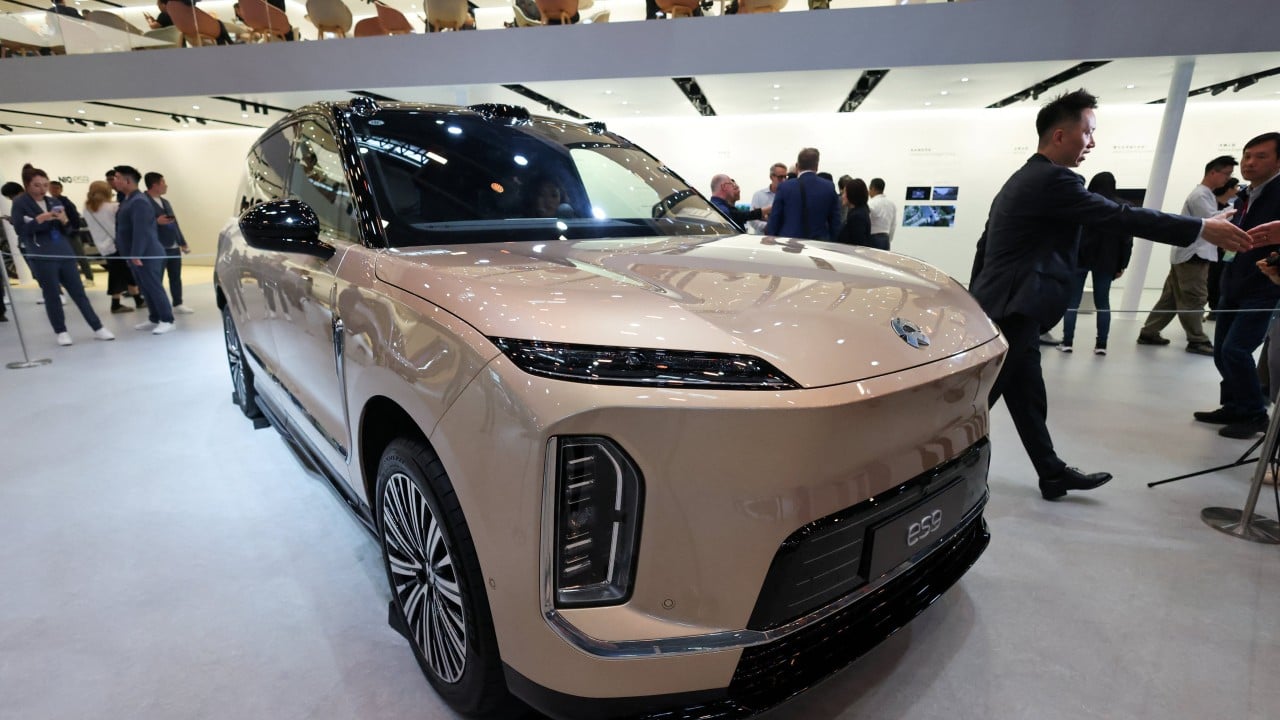
Chinese carmakers, facing weak sales at home, are set to shed light on how their vehicles can take the lead in the global automotive industry’s green transition at a trade show starting in Guangzhou on Friday.
Dozens of vehicle assemblers – including BYD, China’s largest carmaker, and premium electric car builder Nio – now setting their sights on overseas sales, would compete on the technological front during the Guangzhou International Automobile Exhibition, also known as Auto Guangzhou, industry officials and analysts said.
“This year’s Guangzhou auto show could mark a watershed, since Chinese carmakers are no longer prioritising new model launches to woo local consumers,” said Qian Kang, the owner of a vehicle circuit board factory in eastern China’s Zhejiang province. “Leading players like BYD are focusing on their innovative achievements to promote their vehicles, and they are shooting for customers around the world.”
The organisers of Auto Guangzhou – one of mainland China’s four largest car shows, and set to run from Friday to December 6 – said 115 new models would make their global debuts. That is 36 per cent less than at Auto China, the Beijing show held in April.
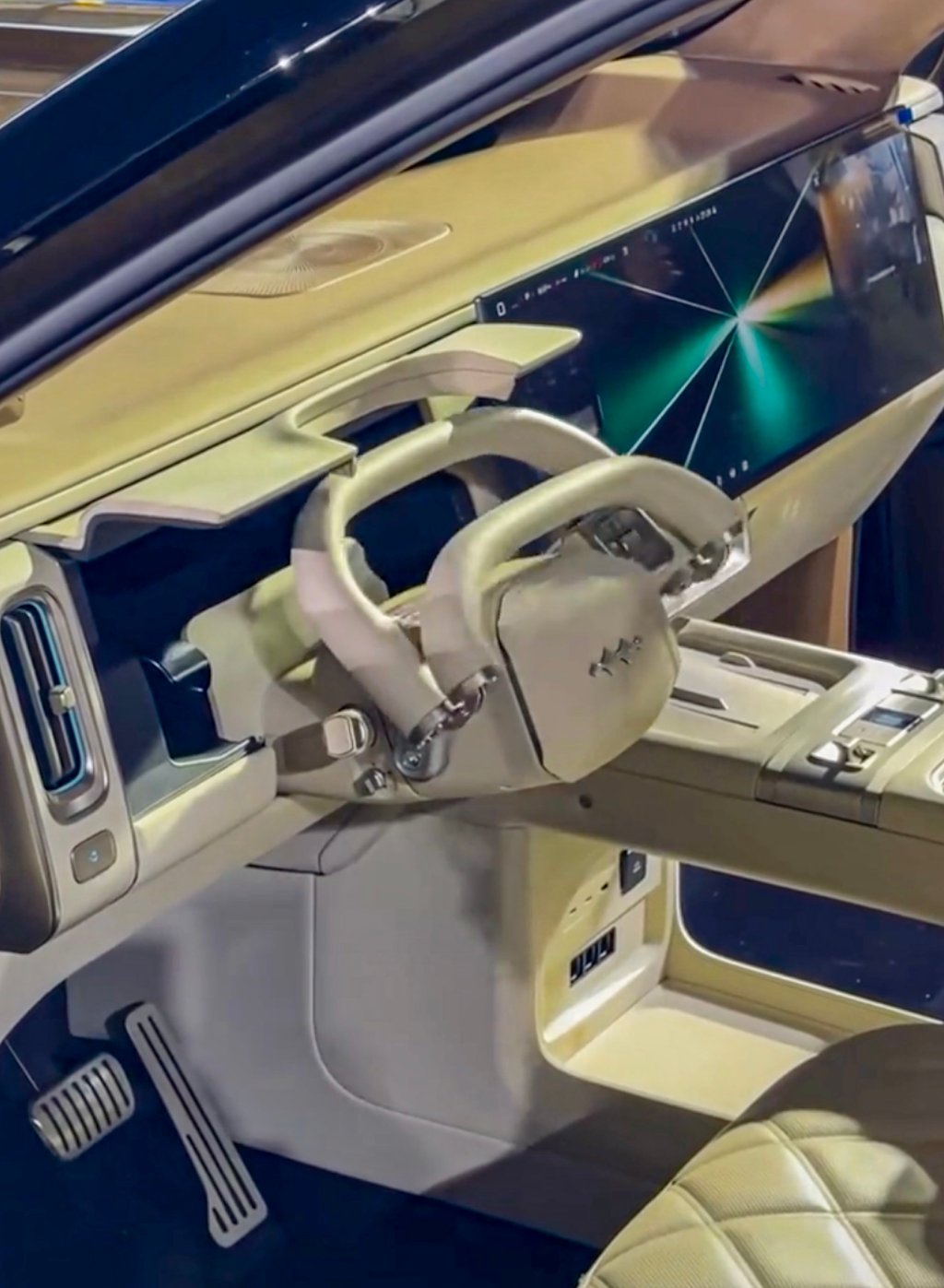
BYD, also the world’s biggest electric vehicle (EV) maker, has said it is planning to unveil the world’s first mass-produced foldaway steering wheel at the show.
The Shenzhen-based company said in a statement that it had a high degree of confidence in the reliability of the steering wheel, which had taken seven years to turn into a commercial reality.
It had completed 96,000 tests under extreme temperatures and had a lifespan of 80,000 cycles, BYD said.
The first car to feature the foldaway steering wheel will be the top-of-the-line version of the Fang Cheng Bao Tai 9 SUV, which sports a price tag of 329,900 yuan (US$49,500).
In May, BYD founder and chairman Wang Chuanfu said at a news conference in Shenzhen the company aimed to eliminate traffic accidents through its self-developed self-driving technology, while designing affordable, next-generation cars for mass-market consumers.
On Wednesday, Shanghai-based Nio launched the latest version of its NWM smart driving technology, which it said could capture subtle changes in road conditions while achieving a 36-fold reduction in on-board computing resources.
Through coordinated optimisation of algorithms, chips and chassis control, the NWM technology – which will be on display at Auto Guangzhou – could reduce chassis control latency by 78 per cent and overall vehicle control latency by 54 per cent, Nio said in a statement.
Chassis control latency refers to the time it takes for a vehicle’s chassis-related systems to respond to a command, while overall vehicle control latency is a broader measure of the time taken for the entire vehicle control system to respond to an instruction or detect a change in conditions.
Amid worries about job security and pay cuts, China’s overall car sales in the first 10 months of this year plunged 22.5 per cent year on year to 15.1 million units, according to data from the China Passenger Car Association (CPCA).
SCMP Plus is a new premium news platform that gives you an
all-inclusive edge to stay ahead on China news.
To access our exclusive content you’ll need to subscribe.
Already a subscriber?
LOG IN
But the country’s EV exports have surged, spurred by rising overseas demand due to the energy shock stemming from conflict in the Middle East.
China delivered 4.47 million EVs to customers outside the mainland in the first 10 months of this year, up 139.7 per cent year on year, CPCA data showed.
Paul Gong, head of China car research at UBS, said broader distribution channels and stronger brand recognition would see Chinese carmakers’ overseas sales grow by another 20 per cent next year.
“Despite concerns about the European Union’s plug-in hybrid EV quota and China’s cut in the export value-added tax rebate, overseas sales momentum remains robust,” he said. “Market share gains by local brands will likely continue inside and outside China.”
KioskNews shows a cleaned-up reading view extracted from the publisher’s page — the original always lives on their site, not ours.