China’s Dune-like sand crawler could turn the whole Taklamakan Desert into an iron mine
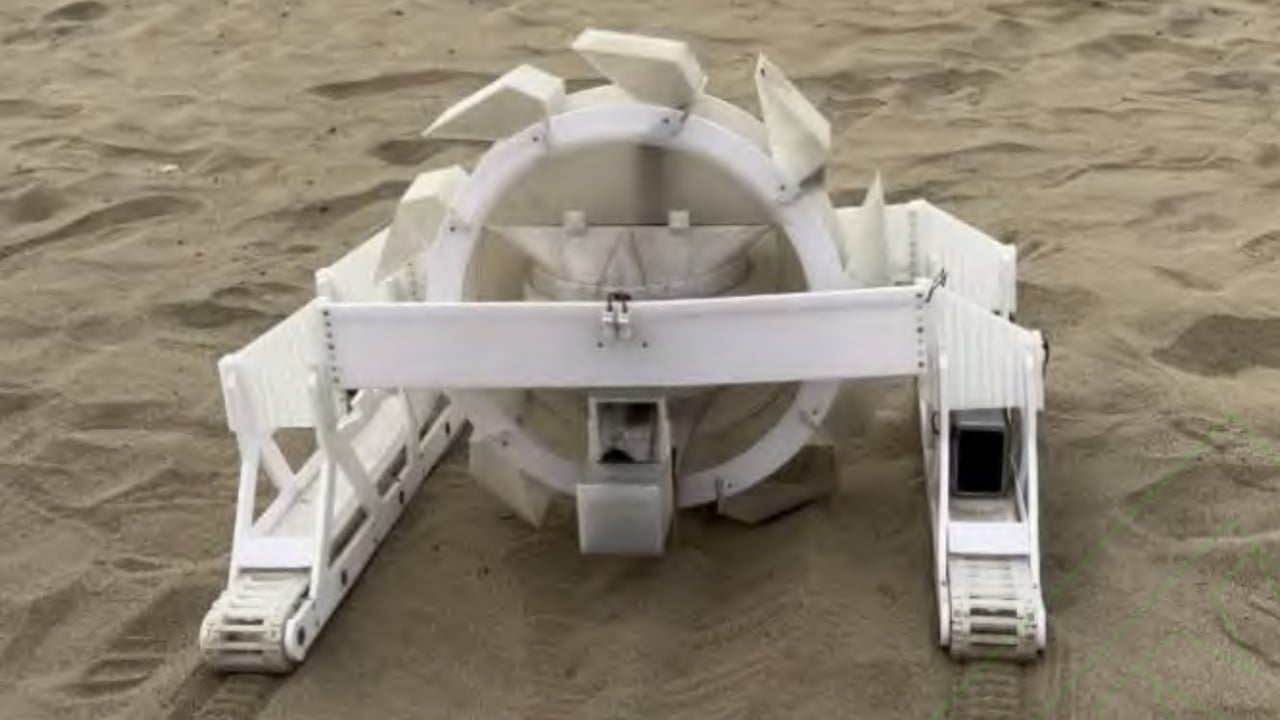
Chinese researchers have built a self-propelled crawler robot that harvests iron from sand and tested the device in the dunes of the vast Taklamakan Desert – an area the size of Germany – in northwestern China’s Xinjiang Uygur autonomous region.
In Frank Herbert’s classic science fiction novel Dune, mobile factories traverse the sands of the fictional planet Arrakis to extract the drug melange, also known as “spice”. The real-world device similarly travels across the desert, extracting valuable resources.
The rare earth-magnet-based separator, developed by researchers from Tarim University in the Xinjiang Uygur autonomous region, filters ferromagnetic materials from sand using dry magnetic separation.
According to the team’s study published in the Chinese-language journal Metal Mine, the Taklamakan Desert contains “vast quantities of ferromagnetic materials”, with previous research estimating iron content in its sands of about 6 per cent.
KioskNews shows a cleaned-up reading view extracted from the publisher’s page — the original always lives on their site, not ours.