UK hygiene poverty crisis deepens as millions skip deodorant and toilet roll, survey finds
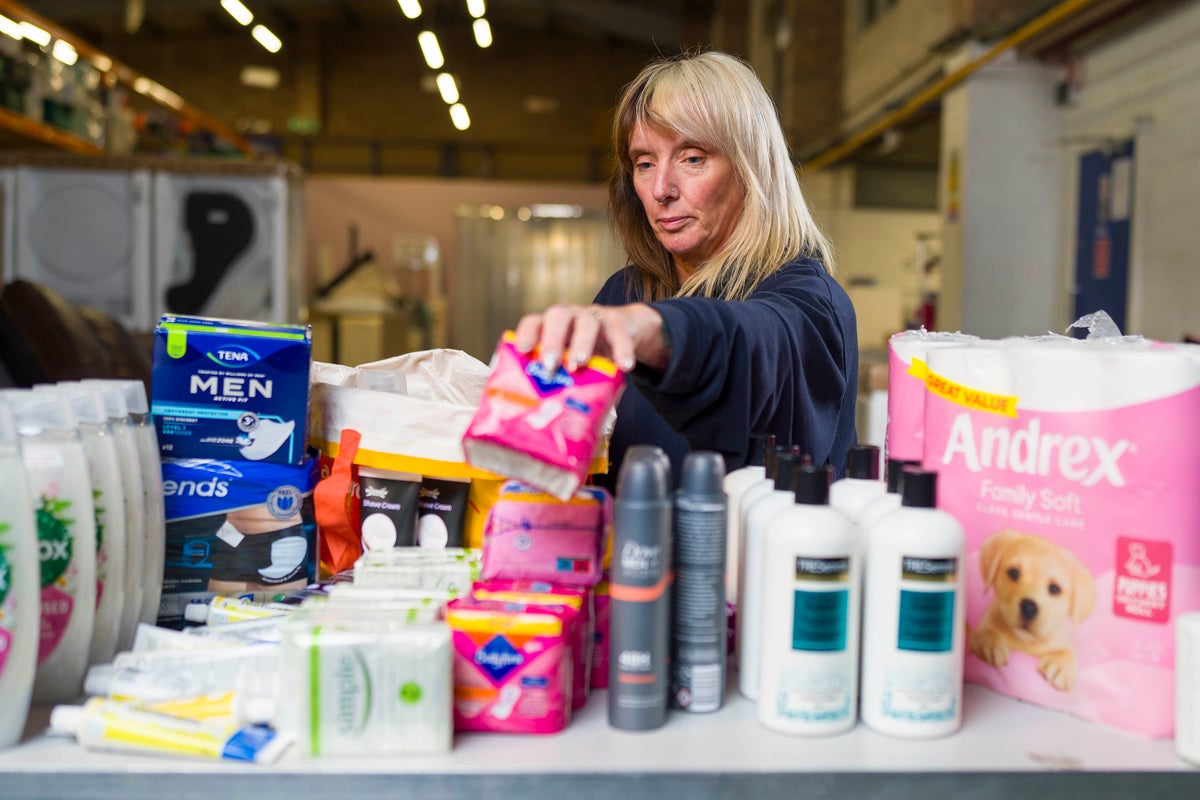
Almost one in five adults in the UK have gone without household hygiene products such as deodorant and toilet paper, according to new research described by charities as "a wake-up call".
Social isolation has also emerged as a significant consequence, with 43 per cent of those polled admitting they avoided seeing friends or family because they could not afford basic hygiene or cleaning products in the past six months.
The survey, published by charities The Hygiene Bank and In Kind Direct, revealed that 41 per cent of respondents experiencing hygiene poverty were doing so for the first time this year.
Hygiene poverty was defined in the study as an inability to afford essential personal care items such as soap, shampoo, deodorant, nappies or washing-up liquid over the previous six months.
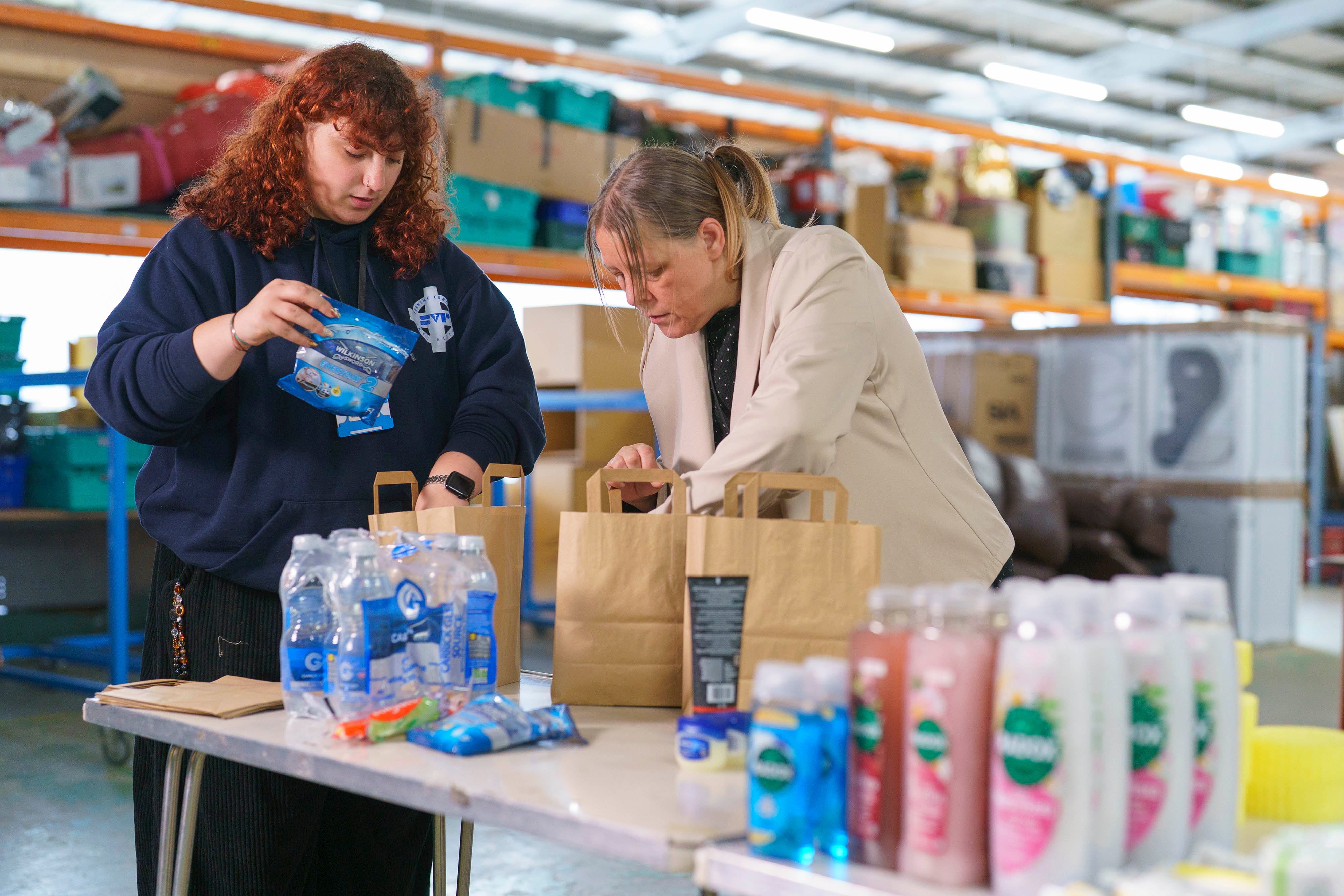
In their joint report, the charities stated: "As the cost-of-living crisis intensifies, more people are going without items we often take for granted, like soap, toilet rolls and deodorant.
"The issue is not the price of a single item, such as a cheap toothbrush; it’s that people’s incomes are not enough to pay for everything they need."
While renters, younger adults, parents and low-income households remain disproportionately affected, organizers warned that the "new face of hygiene poverty includes working families and those on higher incomes who were once financially stable and now describe themselves as unexpectedly unable to afford essential hygiene products".
The online survey of 3,042 UK adults, conducted by Savanta in early June, found that among the 18 per cent affected, toilet roll was most frequently skipped (47 per cent), followed by deodorant (43 per cent), shampoo (39 per cent), cleaning and laundry products (38%), and toothpaste (34 per cent).
In addition, 28 per cent reported going without period products.
Michael Gidney, chief executive of In Kind Direct, which distributes items to charitable groups, said the findings "should serve as a wake-up call".
He added: "In our 30 years’ experience, we’re seeing that hygiene poverty is no longer confined to the households you might expect. We know it disproportionately affects people from lower socio-economic backgrounds and renters, but we’re now seeing it reach families who, until recently, considered themselves financially secure.
"One family told us that, even with two full-time incomes in their household, they’re in overdraft and struggling. That’s the reality for a growing number of working households across the UK."
Ruth Brock, chief executive of The Hygiene Bank, which supplies personal care goods to people in need, said: "This research confirms what our volunteers are seeing every day in communities across the UK: hygiene poverty is growing and is no longer a hidden or marginal issue.
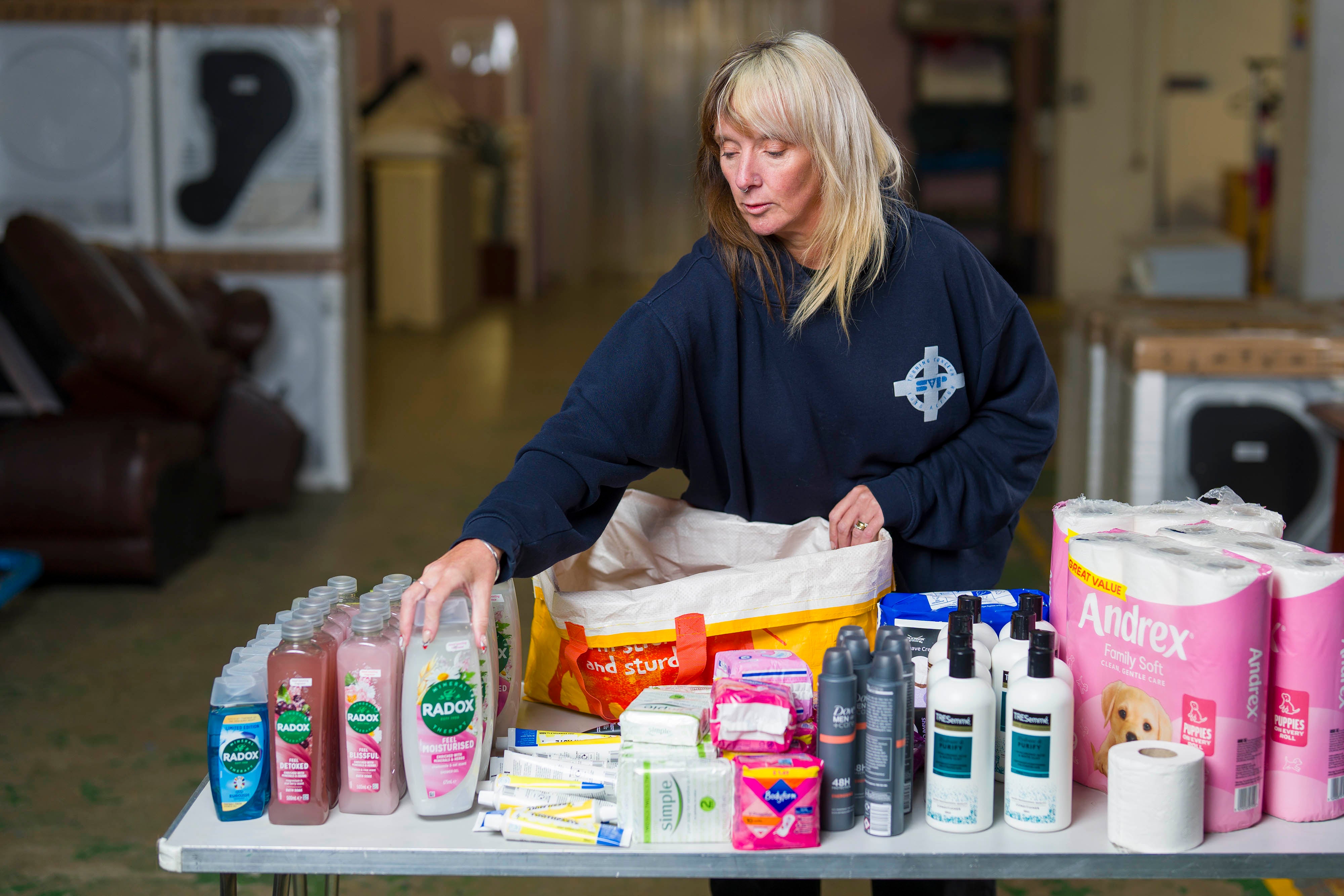
"More people are facing impossible choices over everyday essentials, causing acute misery and long-term harm.
"Hygiene poverty is wrecking lives today and damaging life chances and opportunities for tomorrow. This is simply wrong."
She urged members of the public to donate products at drop-off points located in Boots stores, or to assist by volunteering.
A Government spokesperson said: "We’re determined to turn the tide on poverty, and our recent statistics show that effort is making a difference, with household incomes up 5% in real terms.
"Our £1 billion Crisis and Resilience Fund can be used by councils to run schemes such as benefit support checks so everyone knows what they’re entitled to.
"To ease cost-of-living pressures we have brought forward a wide range of measures including raising the National Minimum Wage and suspending tariffs on everyday staples, leading to lower prices at the till."
KioskNews shows a cleaned-up reading view extracted from the publisher’s page — the original always lives on their site, not ours.