9 Best Survival Movies to Watch Ahead of Heart of the Beast

Ben Brewster is a filmmaker, critic, screenwriter, and actor whose work sits at the intersection of film culture, craft analysis, and storytelling.
He is a movie list contributing writer at Collider and a contributing writer for High on Films, where he covers contemporary cinema, independent film, and festival releases with an eye toward narrative structure, performance, and visual language.
Ben is an active film festival participant, having worked with Newport Film, the Nantucket Film Festival and as a screener for the Austin, Boston & Woodstock film festivals.
He brings to that work a programming instinct shaped by years of close engagement with independent and documentary cinema. This comes with a deep investment in the kinds of films that rarely find their way into the mainstream conversation without someone willing to advocate for them.
His background spans documentary and narrative filmmaking, film marketing, and production, including work with award-winning directors. This as well as developing his own indie production company, Lilac Creative Studio, through which he develops and produces original work across fiction and nonfiction forms.
His debut documentary, Diamond in the Rust, is an examination of economic redevelopment and displacement in the Queens area of New York City. The film was recently accepted to the Unisphere Film Festival, the Defense of Democracy Film Festival, and the Urbanite Arts & Film Festival. This would mark his first festival recognition as a director.
In addition to his writing and programming work, Ben hosts Beneath the Bloom, a film podcast exploring the work behind the scenes in cinema, and the struggles one can face to make a movie become a reality. The show reflects the same sensibility that runs through all of his work. A conviction that film is not merely entertainment but one of the most powerful tools human beings have for understanding each other.
Across mediums, his work is driven by a deep belief in film as a communal, transformative art form.
Sign in to your Collider account
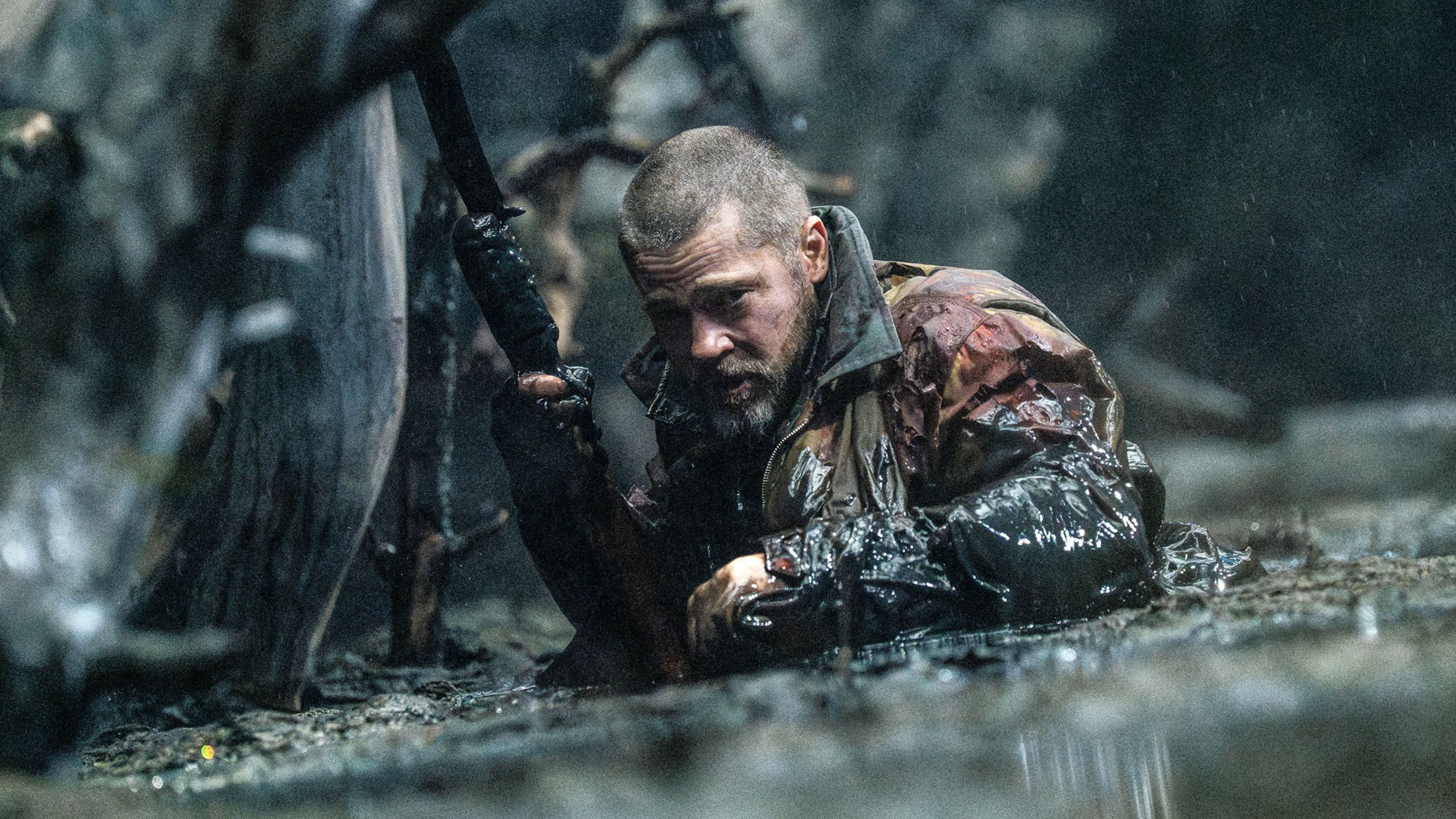
Brad Pitt and David Ayer's Heart of the Beast arrived this past weekend, dropping a retired Special Forces officer and his combat dog into the unforgiving Alaskan wilderness after a plane crash. Early trailers have already drawn some Revenant comparisons, which of course would be massive shoes to fill. The latest from Ayer's (Suicide Squad, Fury) leans into a form of stripped-down, elemental film-making that has come to define the survival genre when it is at its best. Stories, where the antagonist isn't necessarily a person but the sheer indifference of nature itself. Few genres demand as much physically and emotionally from their leads. It asks actors to communicate desperation, exhaustion and a quiet resolve, often with minimal dialogue and no one else on screen to bounce it off of. Pitt, working with a director here known for gritty, unglamorous realism in movies such as Harsh Times or End of Watch, seems well positioned to deliver the kind of performance that a project like this asks for. This first time pairing between the star actor and the action moviemaker has generated real anticipation, and the wilderness survival premise gives both plenty of room to lean into physical, dialogue-light storytelling.
Brad Pitt said not long ago that he has wanted to make a survival movie for a long time. These films stay popular long after they come out because they handle the same core idea in different ways. Some are based on real events. That link adds weight to the danger and the journey of the protagonist. Other titles lean on being alone. They use isolation to probe the mind more than the body, so the focus shifts to what a person shows after all the distractions are gone. Still, each film circles the same question. When there is nothing left to hide behind, what is left of a person? That theme can fit many settings. It works in a lifeboat, even with a tiger. It also fits on a snow covered peak, or on a boat taking on water in an open sea. Survival films often ask for steady attention rather than nonstop talk. They rely on stunts, endurance, and effort on screen more than heavy dialogue or tightly engineered twists. That is a big reason top actors and directors keep returning to the genre.
That spread is also why survival movies have turned out some of the most talked-about works from the last 20 years. In that same way, Heart of the Beast comes in without a real backstory but with a dog and movie star who have been through it all in their respective industries. Ayer's intends to satisfy the pillars of what the genre has become known for. These nine titles show what the style can do at its best. Some track a known catastrophe and others steer into a fictional situation set out in the wild. A few focus on one person who keeps pushing through places that do not forgive. The result has a kind of weight that made-up twists do not fully copy. Taken as a set, these stories cover a lot of ground. You get spiritual parables, group tragedies, tests built for one performer, and stories that lean hard on physical strain. They also raise the bar for what Ayer and Pitt have done with their latest.
9 'Cast Away' (2000)

Cast Away keeps its reputation for a reason. It is slow in a way that feels earned. Long stretches play out without much talk. We just watch as Chuck Noland (Tom Hanks) learns how to live by himself after a plane crash. The movie treats being alone as the main enemy. It makes you feel the emptiness instead of cutting away from it. Even the volleyball becomes a small, sad sign of what he needs. Robert Zemeckis relies upon this, not feeling the need to pile on outside danger that would have felt artificially forced anyway. The pressure comes from time passing and from what the world takes away. The story has a shift forward after Chuck is found, showing him later after years have passed. It adds a new kind of pain removed from the island's hardship. He comes back to a life that is already different. The film ends up feeling more like a look at loss than a pure basic survival tale.
Hanks changes markedly throughout the years of the plot. The work behind that shows up on screen. The production paused for a long time just so he could lose weight for the portrayal of the character. The point was to make the decline feel real. In the island scenes, you can see that care in how everything lands. Some movies make you notice the silence in a way that feels heavy. In Cast Away, the lack of another human voice can feel almost suffocating. If you want to see how long a survival tale can hold your attention, this one is worth watching. It lets the viewer stay in the uneasy parts, and rewards you with the character's conclusion to his journey.
8 'Life of Pi' (2012)

Ang Lee's version of Yann Martel's book Life of Pi treats survival like a question you sit with for a long time. It follows a young man who ends up on a small lifeboat after a wreck kills his family. A Bengal tiger is there too, and the film continually pushes at what this premise might mean, not just what happens next in the sequence of the narrative. The cinematography is dream-like. The water looks endless and nearly otherworldly, lights glow in the sea at night, and the storms are staged with a kind of painterly care. Because of that, the survival plot begins to feel like a myth that floats on the surface of the real world. It is not the usual style for this genre. Lee also leans on modern 3D techniques in a bold and epic fashion. Instead of making the ocean look like a simple background, Life of Pi uses depth, so the sea seems to move and press in.
The effect makes the whole setting feel alive, even when nothing seems to be happening other than Pi Patel floating out on the water with the tiger, Richard Parker. Suraj Sharma, in his first major role, holds the emotional center of the movie. He shares scenes with a tiger that is built through visual effects, and that gap between actor and creature could have been obvious, but it isn't. The movie sells the relationship in a way that feels earned. The lingering part is the film's lack of a clear answer. It never fully tells you if Pi's story is true in a plain way, or if it is a mind-made retelling of something much worse. Because of that, you end up thinking about a question that survival stories often bring up in rather remarkable forms. When people make it through the unthinkable, what often helps the most with dealing with all of what happened, is the facts or the tale they carry of how they survived. Near the end, Pi talks again and offers a second account, darker than the first. That moment changes how you interpret what came before, but it still does not pin the full truth down, refusing to close the door on the audience's own interpretation.
7 'Everest' (2015)

Everest reworks the 1996 tragedy on the highest peak. In the story, several groups on the mountain get hit by a brutal storm. People die, and the plan that looked solid at first falls apart fast. The movie doesn't follow one clear hero from start to finish. It shifts between climbers, guides and families who wait for updates on their loved ones, adding a human edge that many similar films produce artificially or often leave out. It shows how quickly things can change in these desperate and tense moments, knowing you cannot control the weather or the crowding along the climbing route. Baltasar Kormakur filmed large parts at a very high altitude, bringing a harsh sense and proximity to the mountains' treacherous conditions. The air, the cold and the slow, deliberate movement feel real on screen. Everest features a stacked cast including Jason Clarke, Josh Brolin and Jake Gyllenhaal.
But no character gets treated like a single answer to the disaster and because of that, the danger feels scattered and unforgiving and a true test of grit. Everest does not get the usual wrap-up that disaster movies love. It opts for the fact that the risks on Everest can land in ways that no one can predict. The audience can feel the waiting and the fear, even when the scenes are far from the summit. Sometimes the focus on truth slows the pace of the entertainment. Still, that same focus is what makes the film stick and stay in one's head. A hard, sobering watch that shows loss as clearly as it shows endurance.
6 'Society of Snow' (2023)

J.A. Bayona returns to the 1972 Andes plane crash in a Spanish-language retelling. The survivors turned to cannibalism to keep living. Even now, this film feels hard to watch because of how closely it depicts what the real people endured and avoids any cheap shock gags. There is a clear focus on fear, guilt and the strain that can come from extreme survival choices. Bayona keeps the story grounded, opting to not linger on the worst moments just to provoke. Instead, he shows the moral weight of each decision as the days get worse. The mountain is shot with a real harshness on a cold and brutal landscape with the minds and the bodies of the survivors worn down by the unforgiving conditions.
There are no household names packed in the cast. That helps the film feel lived-in. The actors play exhaustion in a way that seems earned, and you can feel the strain in their faces and the quiet breaks in their energy. In the most tense scenes, that choice matters most. Society of Snow was praised by critics, earning an Academy Award nomination. The production leaned toward authenticity as much of it was filmed in the Andes. Bayona gives the story a fresh perspective, telling it through a survivor who doesn't get to go home. That framing adds a heavy kind of regret that earlier versions often missed. In the end, the film honors the dead by name. The final moments shift the whole ordeal toward shared survival and not personal victory, an often overlooked element of traditional survival films.
5 'All Is Lost' (2013)

All Is Lost strips the survival story down to the essentials. Robert Redford plays an unnamed sailor alone on a boat that keeps taking on water. Most of the movie has little or no talk. For the entire runtime, his face and body do the work that words usually do. You can see his tiredness grow, a thin edge of panic, and then a slower kind of giving up. The film does not stop to lay out feelings in dialogue, it just shows him moving, waiting, trying, failing and trying again. J.C Chandor's direction keeps the story close to what a person would do in that spot and the scenes feel like step-by-step actions. He patches what he can, he counts what he has and finds ways to signal and make the hard choices with what remains. This kind of tight focus keeps the tension from coming from loud tricks or staged shocks, creating a real-time pressure effect.
Redford was in his early eighties during filming. He handled most of the physical stunts himself. That matters in the tougher moments, making the risks feel near and genuine. The audience can sense the strain with each movement, Chandor refusing to have his main character talk his way through danger. With no dialogue to guide you, small action lands harder. Each choice becomes its own test. And while we never learn who the sailor is or why he ended up alone, that lack of explanation can actually pull you in. You fill in the gaps and watch him fight with less and less to use. All Is Lost gives you no past to hide behind and no speech to tell you what to think, turning survival into a direct struggle against an uncaring, harsh world.
4 'The Grey' (2011)

The Grey is about oil rig workers who get left behind in the Alaskan wilds after a plane crash. Wolves move in, and the group has to keep going in fierce cold with fewer options and opportunities to be saved. Liam Neeson leads the cast, and his role is much quieter than what people expect from him. He plays a man who seems content with the idea of his own end, even before the crash. Because of that, the fear of dying feels bigger than the traditional survival tale. Joe Carnahan directs with a sharp focus on the landscape. The cold is shown as a real threat, and it presses on the men as hard as the wolves do. The movie treats both as forces that do not care what you want.
When it was first sold, the pitch sounded like a simple action thriller. The finished film does not stay in that lane. It turns out to be grim and more reflective than the marketing scheme had promised. That gap might have rubbed some people the wrong way at first, but it also helped the film find a true fanbase over the years. The Grey asks existential questions about life and what people believe when there is no easy way out. Watching the group shrink makes the theme feel close. Genre tension is used to push at deeper ideas, not just in service of pacing. The ending spurred a ton of discourse. Some viewers disliked its ambiguity, yet the choice is now seen as one of the film's key moments. The Grey is a survival movie with real bite, inthe wild and in what it leaves you thinking about.
3 'Into the Wild' (2007)

Sean Penn turns Jon Krakauer's account into a film about Christopher McCandless. McCandless leaves behind his stuff and his name for a soul-searching journey living off the land in Alaska. In the end, his plan takes his life and Penn focuses more on the clash between what McCandless believes and what the wild will allow over centering the story on his unfortunate demise. Isolation is not romantic here. Into the Wild balances the difficulties of isolation with the kind of youthful pull toward the fantasy of outdoor adventure. Penn shoots the road on wide vast landscapes, making the land appear huge on screen. We move from South Dakota farms into the wide reach of the Alaskan backstory. The images feel larger than life, as if the whole trip is part of a bigger myth. Eddie Vedder writes the songs just for the film and the music has a tired ache to it. It fits the mood of someone who cannot sit still and the feeling of someone constantly searching for answers.
Penn keeps circling the audience back to the Alaska bus. That place becomes a symbol and anchor of the entire story. Each time we return, the earlier scenes feel heavier. Hope stays there, but it is shadowed. Emile Hirsch plays McCandless with a raw edge and hunger for the real thing. As he acts completely stubborn with his own thoughts and principles. But the film doesn't fully hand out blame, and it doesn't necessarily praise him either. The editing bounces between the last days and the earlier trek. That split gives the ending a lingering punch. Many people still debate who McCandless really was. Some call him a visionary and others see someone guided by comfort and blind hope. The film does not try and close that argument for you. It lets the tension stay open. A survival story about what the chase for adventure can cause and what the search for one's soul can cost.
2 '127 Hours' (2010)

127 Hours tells the real story of Aron Ralston. Ralston is a caving and climbing enthusiast who gets trapped in a Utah canyon after a rock shift leaves him pinned for about five days. To stay alive, he makes a brutal choice and cuts off part of his own arm. Director Danny Boyle keeps the movie moving at a steady pace even if the setting stays the same. The film uses jumps in time and strange visions to show what happens to Ralston's mind as his body runs out of water and strength. The camera tracks and shifts in quick ways with the editing chopping scenes together fast, giving the story its tense aesthetic. That push toward a specific style does more than look clever. It changes how the danger feels on screen.
James Franco holds the screen alone for the majority of its runtime. His work makes the pain and the panic feel personal, not distant. The amputation scene is still one of the hardest moments to watch in this kind of movie. The film builds toward it step by step, so when it arrives it feels like the only door left open. Some early viewers even said they passed out during screenings, proving how gritty of a survival project this was. But after all of that, the movie doesn't end on a purely dark and morbid note. It shifts toward thankfulness and a fresh view of life. It lets its worst moment breathe, but doesn't let it take over the entire tone. Ralston's story is about survival and the instant someone chooses to keep living at any cost.
1 'The Revenant' (2015)

The Revenant lands at number one for a simple reason. It feels like the hardest survival movie ever filmed. The story follows Hugh Glass, a man abandoned after a brutal bear attack. From there, he keeps moving on raw will alone. He crawls, drags himself, and fights for distance through wild country that does not care if he lives. Inarritu deliberately chose a tough way to shoot the film, much of it with natural light and having the crew working in very cold atmospheres in remote areas. The end result feels rough and close to the bone. A lot of survival films look good, but this one pushes harder and stays harsh.
Leonardo DiCaprio carries most of the weight of the film. His role relies on pain and restraint. He does not fill the screen with words. The long, steady moments keep you there. You watch Glass suffer without fast cuts to soften the brutality of his pain. This is still the top point for modern survival movies. It is the benchmark people will compare to Heart of the Beast amongst many other survival films to come. Tom Hardy's role brings an edge that goes beyond threat in the wild. It adds tension on the human side too. The film's punishing physical demands on its entire cast and crew became inseparable from its critical reception, a testament to how thoroughly the production's suffering translated directly onto the screen. It's the standard-bearer this entire genre gets measured against, and the film Pitt and Ayer will inevitably be compared to whether they intended it or not.

- Release Date
- December 25, 2015
- Runtime
- 157 minutes
- Director
- Alejandro González Iñárritu
- Writers
- Alejandro González Iñárritu, Mark L. Smith
- Producers
- Alejandro González Iñárritu, Arnon Milchan, James W. Skotchdopole, Keith Redmon, Mary Parent, Steve Golin
KioskNews shows a cleaned-up reading view extracted from the publisher’s page — the original always lives on their site, not ours.