US turns to South Korea to ease ammunition bottlenecks amid global conflicts
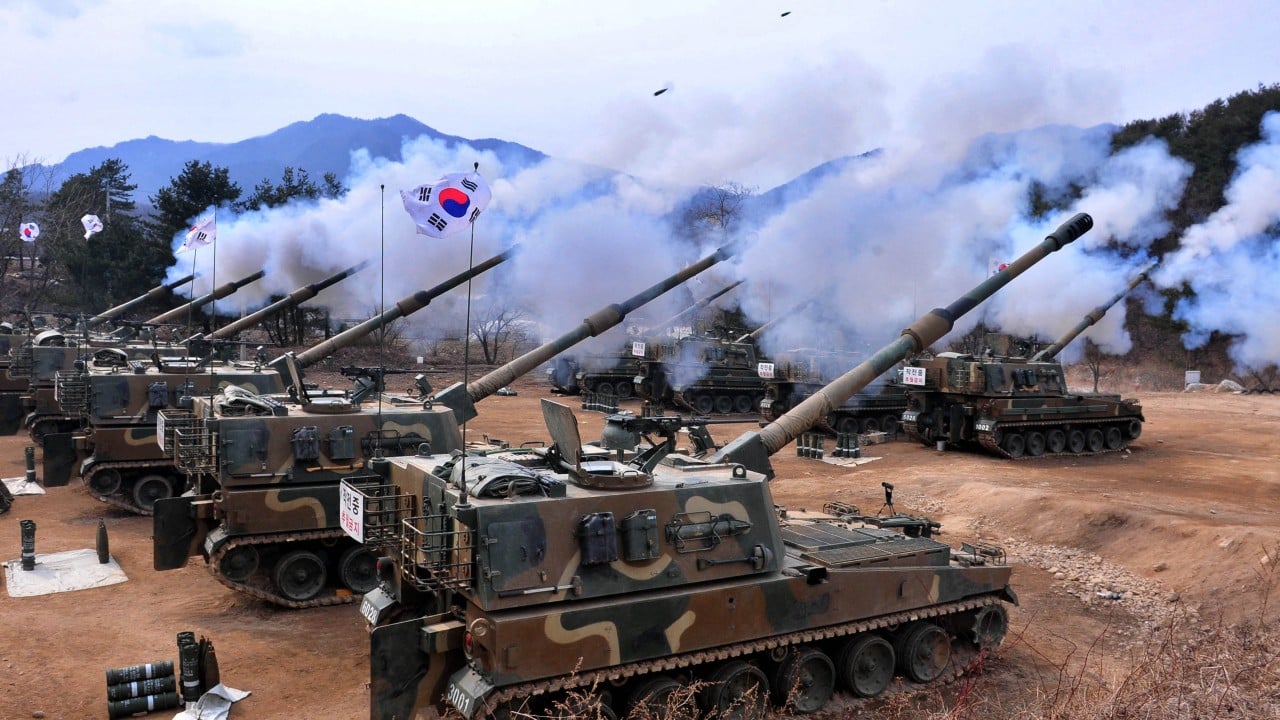
Washington is increasingly turning to South Korea to ease ammunition supply bottlenecks triggered by wars in the Middle East and Europe, potentially accelerating Seoul’s integration into the US defence industrial base.
Analysts say the United States may struggle to replenish stockpiles quickly enough if conflicts in Iran and Ukraine drag on, creating opportunities for South Korea’s defence industry to expand its presence in the US market.
Jang Won-joon, a defence science professor at Jeonbuk National University, said the war with Iran and Russia’s invasion of Ukraine had made Washington acutely aware of shortfalls in its domestic defence production capacity.
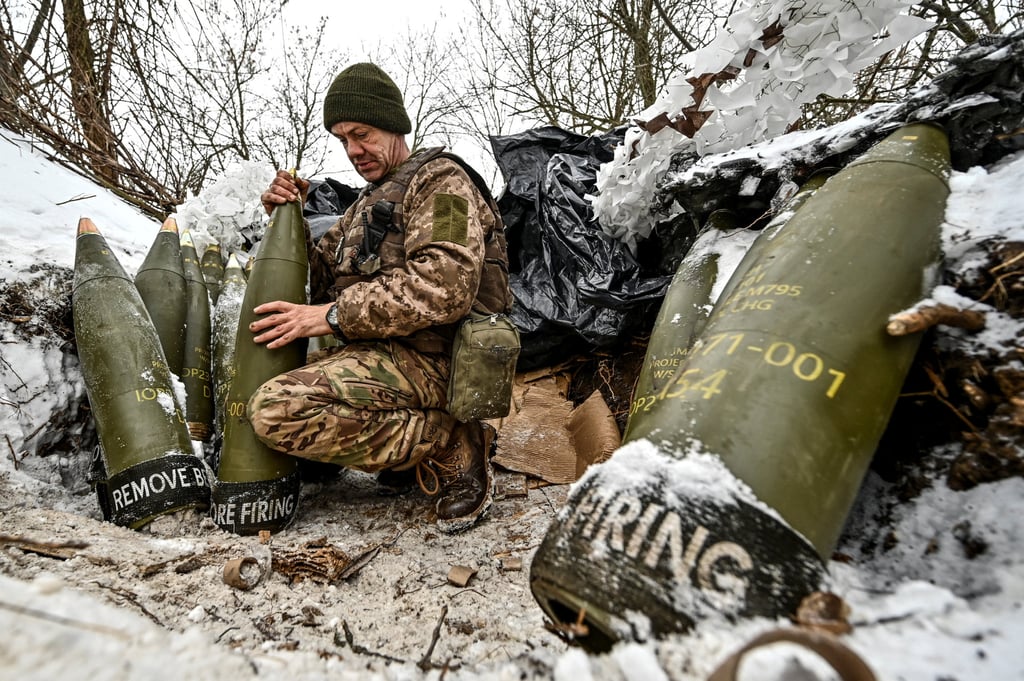
The US burned through US$22.3 billion worth of ammunition in just four months of the Iran war, according to the Pentagon, putting its defence industry under scrutiny and exposing what critics call a structural problem.
Washington is now expected to build defence production networks with allies across the Indo-Pacific, including South Korea, Japan and Australia to help close the supply gap.
KioskNews shows a cleaned-up reading view extracted from the publisher’s page — the original always lives on their site, not ours.