How a Hong Kong property investor still made US$30 million – after a 40% price cut
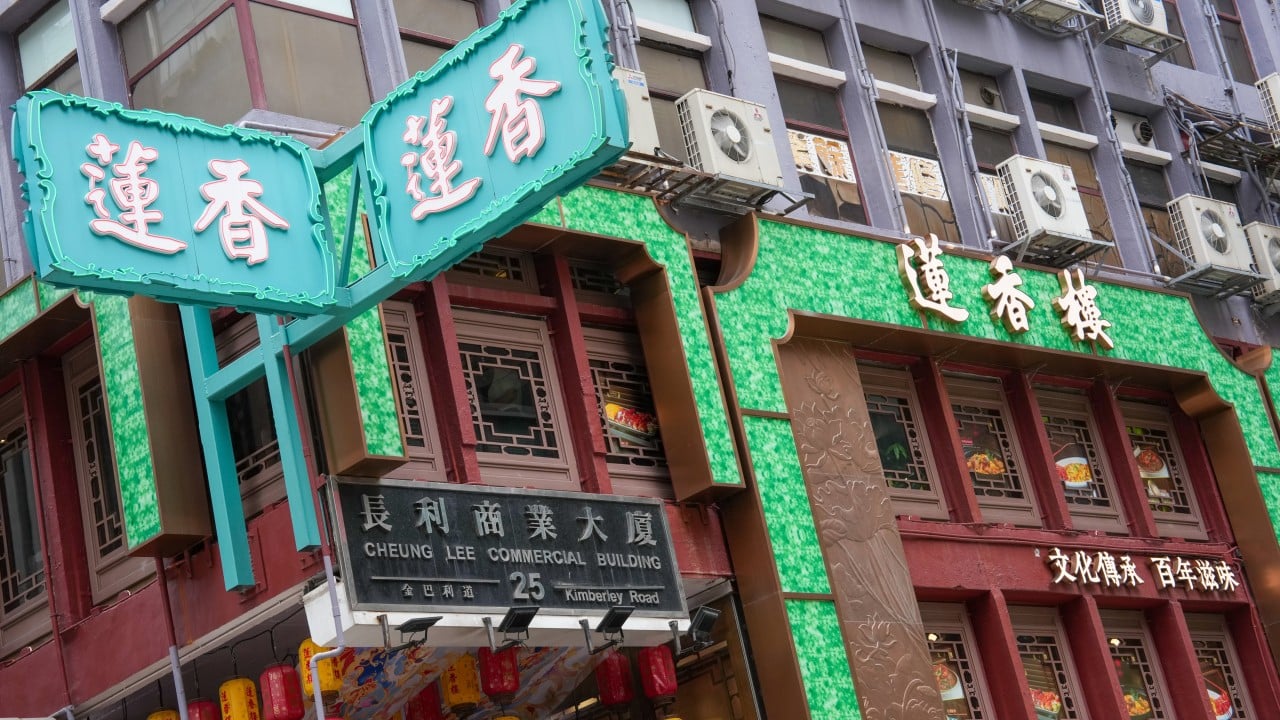
Amid concerns over rising interest rates and a weak retail property market, a long-time investor has sold a portfolio of prime street shops in Tsim Sha Tsui – held for more than four decades – and locked in a profit of nearly HK$237 million (US$30.2 million) despite accepting a deal more than 40 per cent below his original asking price.
The portfolio of retail shops in Cheung Lee Commercial Building and the podium of Wing Lee Building, both on Kimberley Road, changed hands for HK$256.8 million, according to Land Registry data.
The seller, low-profile investor Ng Kan-hoi, had previously listed the assets for a combined HK$430 million before slashing the price by 40 per cent.
Ng acquired the properties for a combined HK$19.84 million between 1979 and 1987, during the tense Sino-British negotiations over Hong Kong’s return to mainland Chinese rule and a stock market slump that pushed property prices to depressed levels.
After holding the assets for more than 40 years, he realised a gain that was almost 12 times his original investment.
When the market was booming, you might not have been able to buy these retail shops even for HK$600 million or HK$700 million
Edwin Lee, founder and CEO of Bridgeway Prime Shop Fund Management, said the transaction involved a large portfolio with a substantial total value, but the price per square foot was relatively low because it was difficult to find a buyer for the entire package.
“When the market was booming, you might not have been able to buy these retail shops even for HK$600 million or HK$700 million,” Lee added.
The properties included the basement and ground, first and second floors of the Cheung Lee Commercial Building at 25 Kimberley Road, with a total gross floor area of about 21,871 square feet.
The first and second floors have been leased since May last year to century-old restaurant Lin Heung Tea House for about HK$250,000 a month, equivalent to roughly HK$23 per square foot.
The ground-floor tenant is cha chaan teng operator Lok Tin Cafe, while the basement is leased to mainland Chinese karaoke chain Mei KTV.
Those assets were ultimately sold for HK$202.8 million, or about HK$9,273 per square foot.
Additionally, Shops 6-10 on the ground floor of Wing Lee Building at 27-31C Kimberley Road, with a total gross floor area of about 2,731 square feet, sold for HK$54 million, reflecting a price of about HK$19,773 per square foot.
They are currently leased to a noodles restaurant.
According to Chinese media reports, Ng had long owned more than a dozen commercial properties in Tsim Sha Tsui, including assets on Cameron Road and at Haiphong Mansion.
The sale marks the second major disposal by Ng in recent months.
In June, he sold the entire ninth floor of Far East Finance Centre in Admiralty for about HK$165 million, according to Land Registry data. After holding the property for 18 years and reducing the asking price by as much as 38 per cent, he made a profit of only about HK$11.2 million or roughly 7 per cent.
KioskNews shows a cleaned-up reading view extracted from the publisher’s page — the original always lives on their site, not ours.