Luxury watch warranties are getting longer – but do buyers really benefit?
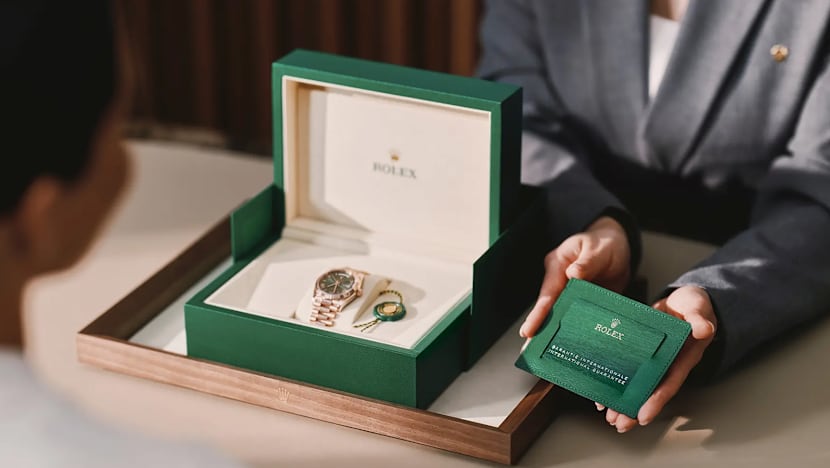
Luxury watch brands are locked in a perpetual arms race to win over enthusiasts and collectors. In this game of one-upmanship, ultra-thin movements, longer power reserves, better water resistance and hardier or more exotic case materials have all been pitched for battle.
But over the past decade, a new metric has entered the conversation: longer warranty periods.
Not too long ago, a two-year manufacturer’s warranty was standard. Now, brands such as Rolex, Omega and Tudor offer five years of international coverage, while Cartier and Jaeger-LeCoultre allow owners to extend theirs to as much as eight years through dedicated programmes.
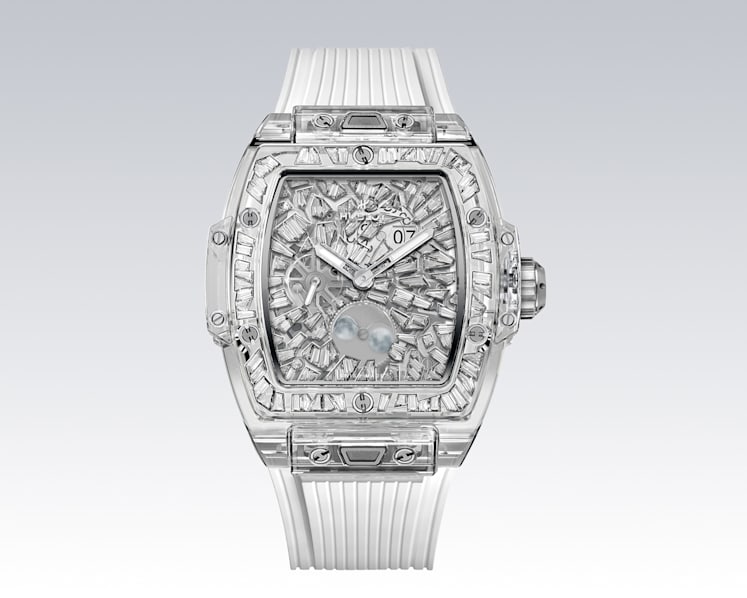
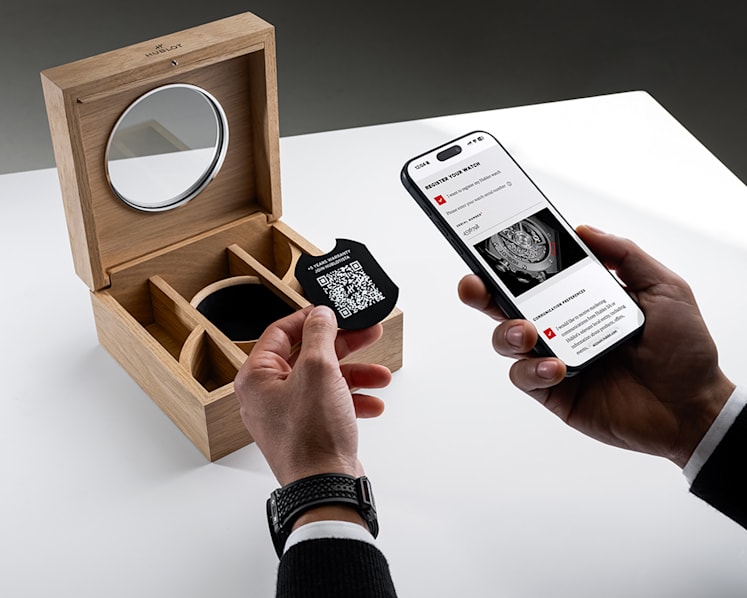
In 2026, Hublot went further with a “5+5” model – eligible watches receive a five-year warranty, which owners can extend to 10 years by registering with the Hublotista programme.
“I’ve seen brands place massive importance on extended warranties recently, but it is largely a corporate arms race to attract clients, beat out competitors and lock in consumer loyalty,” observed Ken Liew, managing director of Watch Estate, a secondary-market dealer specialising in investment-grade timepieces.
That brands are now offering multi-year warranties should come as no surprise. After all, if watches are being marketed as heirlooms or purchases meant to last for generations, shouldn’t manufacturers be prepared to stand behind them for more than 24 months?
The timing isn’t entirely opportunistic, however. According to Singapore Watch Club founder Tom Chng, today’s watchmakers are better equipped than ever to make such promises.
“Production capabilities have advanced tremendously over the past two decades with the widespread adoption of CAD, CNC machining and increasingly sophisticated quality control processes,” he said.
“Components are manufactured to tighter tolerances than ever before, while durability and reliability testing have become far more rigorous and data-driven. Simply put, modern mechanical watches are generally more consistent than they have ever been,” Chng added.
Liew agreed. “Modern manufacturing, materials and quality control have made today’s watches genuinely more reliable. These defects happen less frequently, allowing brands to boldly project immense confidence in their craftsmanship while knowing the extended coverage actually costs them little to maintain.”
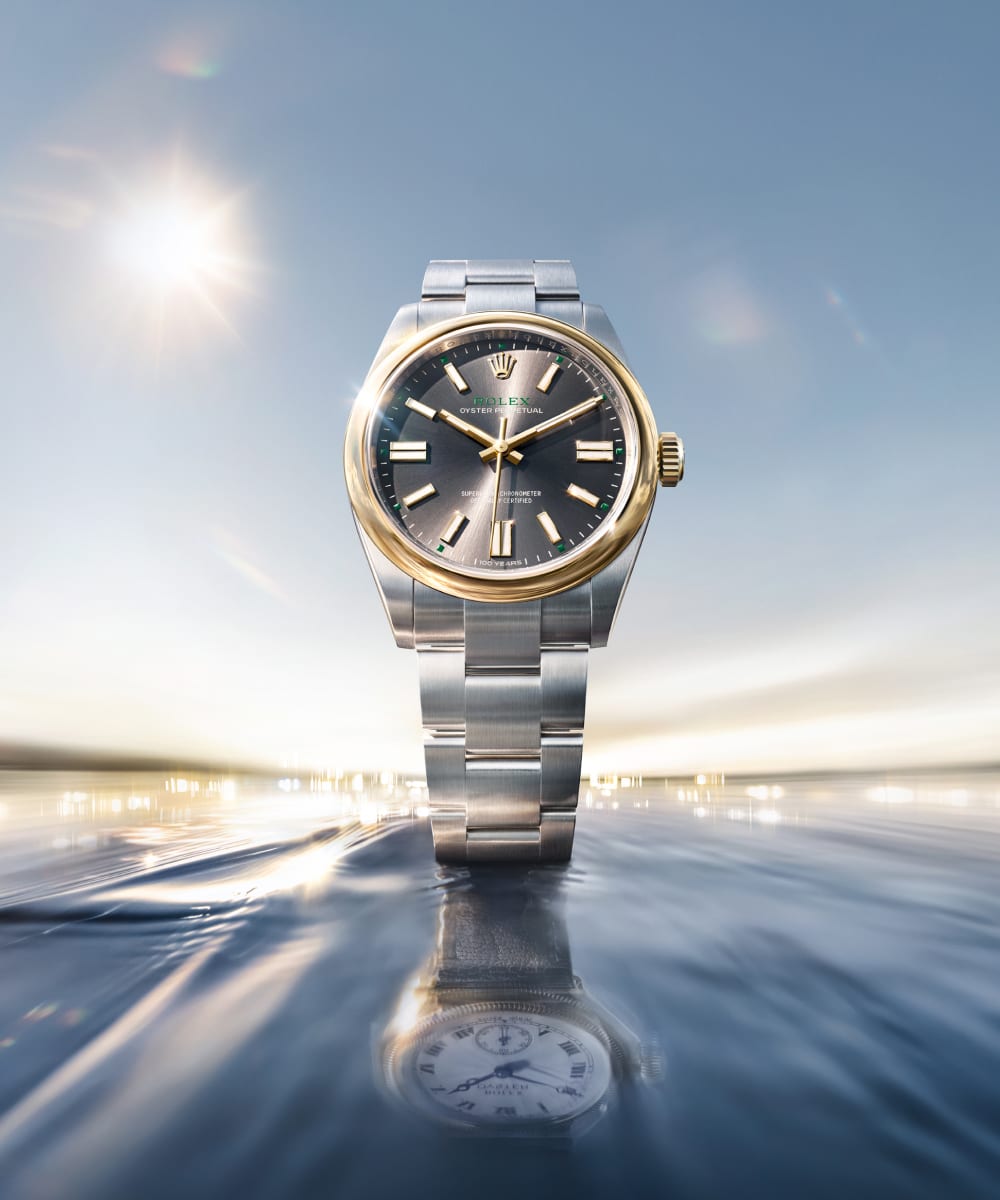
At the same time, some of the industry’s biggest players have raised consumer expectations. When Rolex introduced its five-year international warranty in 2015, competitors found it increasingly difficult to justify offering only two years of coverage, Liew pointed out.
“Extending the warranty is an easy way for brands to signal confidence in their products while remaining competitive in the eyes of consumers,” he explained.
For consumers spending five or six figures on a timepiece, an extended warranty offers peace of mind – the assurance that if something goes wrong because of a manufacturing defect, they will not be faced with a hefty repair bill.
Yet despite the industry’s increasingly generous warranties, collectors themselves remain pragmatic.
“When I buy a luxury watch, I already take it for granted that it comes with some form of warranty,” said watch collector George Tan. “The length of that warranty isn’t a dealbreaker for me. My main priority is always whether I love the watch and really want to buy it.”
Liew agreed. “For actual seasoned collectors, these long warranties aren’t a major deciding factor. A fine mechanical watch can always be fixed, with or without a warranty paper.”
But as longer warranties become increasingly common, are they actually delivering more value to buyers?
WHAT LONGER WARRANTIES SAY ABOUT LUXURY TIMEPIECES
Longer warranties are, in part, a public declaration of confidence. Standing behind a watch for five, eight or 10 years suggests that manufacturers are increasingly comfortable backing the reliability of their movements, materials and production standards.
“A manufacturer’s warranty is primarily about reassurance rather than necessity,” Liew maintained. “Mechanical watches are highly resilient – they aren’t like modern cars that constantly suffer from electronic or mechanical glitches, so actual factory failures are uncommon.”
The practical benefit, he added, is that owners can turn to an authorised dealer or service centre if a covered problem arises.
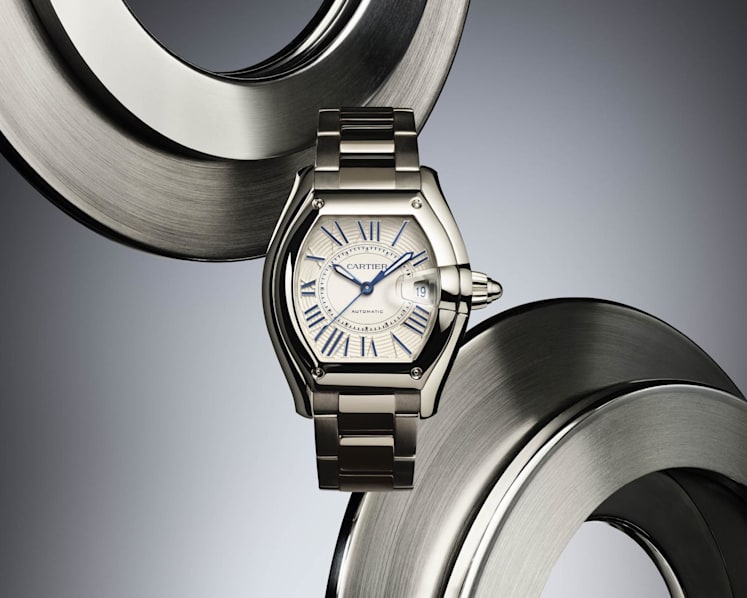
Chng has experienced this first-hand. “Longer warranties genuinely do make a difference,” he said. “I’ve personally benefited from an eight-year warranty, and there is real peace of mind in being able to wear a watch regularly without worrying about unexpected repair costs. It also softens the financial impact if the watch requires attention around its first recommended service interval.”
If owners are looking to sell their watches on the secondary market, does a longer warranty make any difference to desirability or resale value?
Liew said it would not. “In the high-end secondary market, a broken or unserviced movement can always be mechanically repaired back to perfect working order. But you can never ‘factory undo’ a gouged bezel, soft rounded lugs from over-polishing, or a damaged case.”
Warranties generally cover manufacturing defects rather than damage caused by wear, accidents or misuse. For experienced buyers, Liew argued, the remaining warranty period is therefore not necessarily the deciding factor.
“The metal holds the value, not the paper,” Liew said. “True collectors will gladly choose a watch out of warranty that is in pristine, unpolished, original condition over a heavily scuffed, poorly handled watch that happens to have four years of factory warranty left.”
EXTENDED WARRANTIES: WHAT BUYERS ARE ACTUALLY GETTING FROM LUXURY WATCH BRANDS
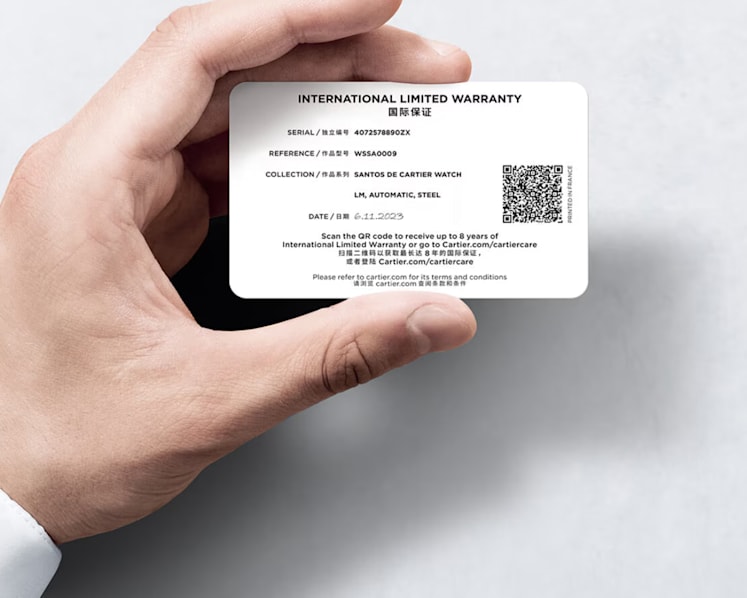
Beyond giving buyers peace of mind, do longer warranties translate into more comprehensive coverage?
Simply put, not necessarily.
A comparison of the six brands examined here – Cartier, Hublot, Jaeger-LeCoultre, Omega, Rolex and Tudor – found that despite differences in duration, their warranties are more alike than different.
All six warranties centre on the same core issue – manufacturing defects in materials or workmanship. They also broadly exclude normal wear and tear, accidental damage, misuse and unauthorised repairs.
That makes the quality of a brand’s after-sales support another important consideration at the point of purchase.
As Chng pointed out, warranty duration is only one consideration. “Equally important are the ease of making a claim, the quality and speed of service, and whether repairs are handled locally or must be sent overseas.”
Chng believes that a shorter warranty paired with strong after-sales support can provide a better ownership experience than a longer warranty accompanied by cumbersome service procedures.
HOW LUXURY WATCH BRANDS’ WARRANTY PROGRAMMES DIFFER
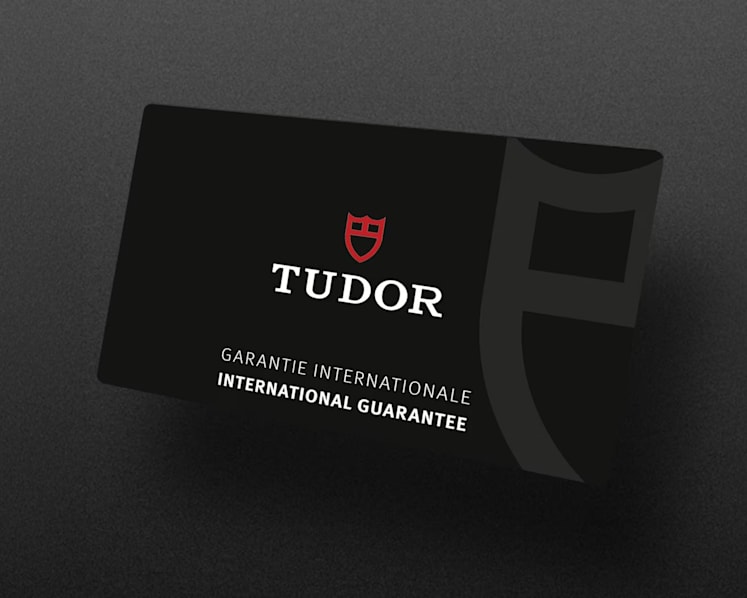
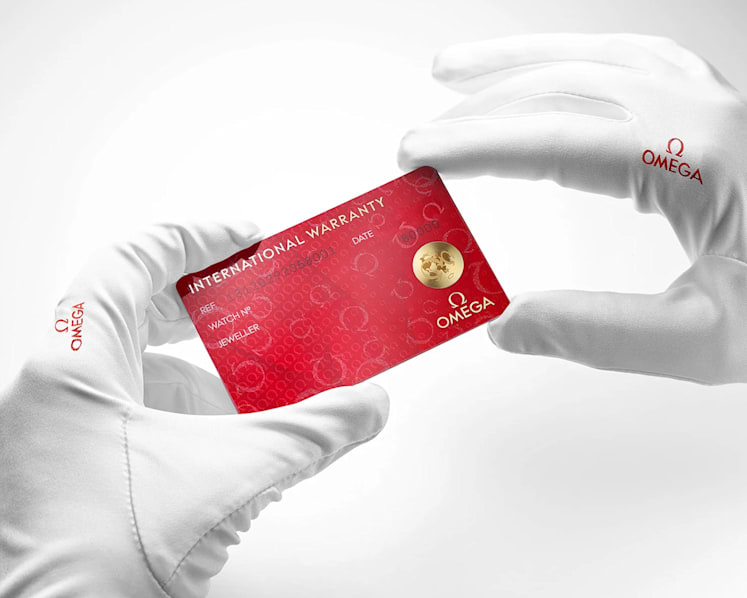
Rolex, Omega and Tudor have relatively straightforward warranty structures. Their five-year international warranties begin from the date of purchase, with no separate online registration or membership programme required.
For buyers, the process is straightforward: Purchase the watch from an authorised retailer and the warranty begins from the date of purchase.
Rolex and Tudor warranties are attached to eligible watches rather than explicitly restricted to the original buyer, provided the relevant guarantee conditions are met. That can be useful for buyers considering relatively new pre-owned watches.
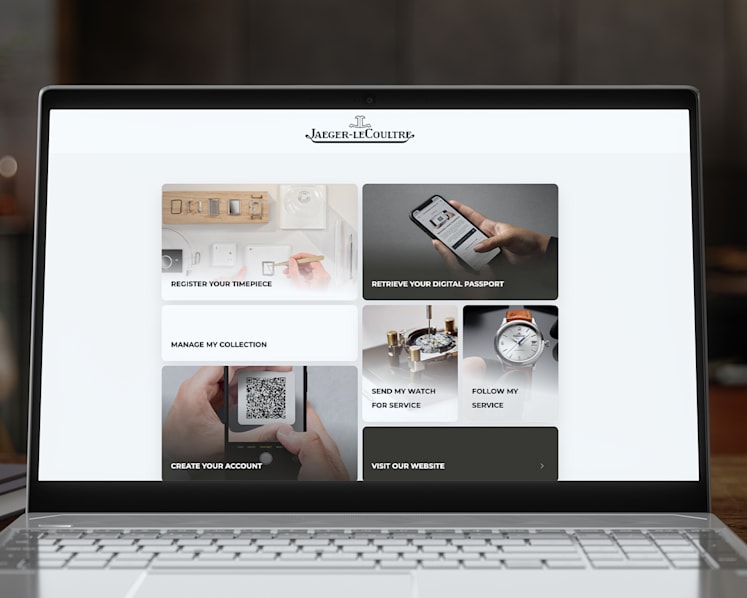
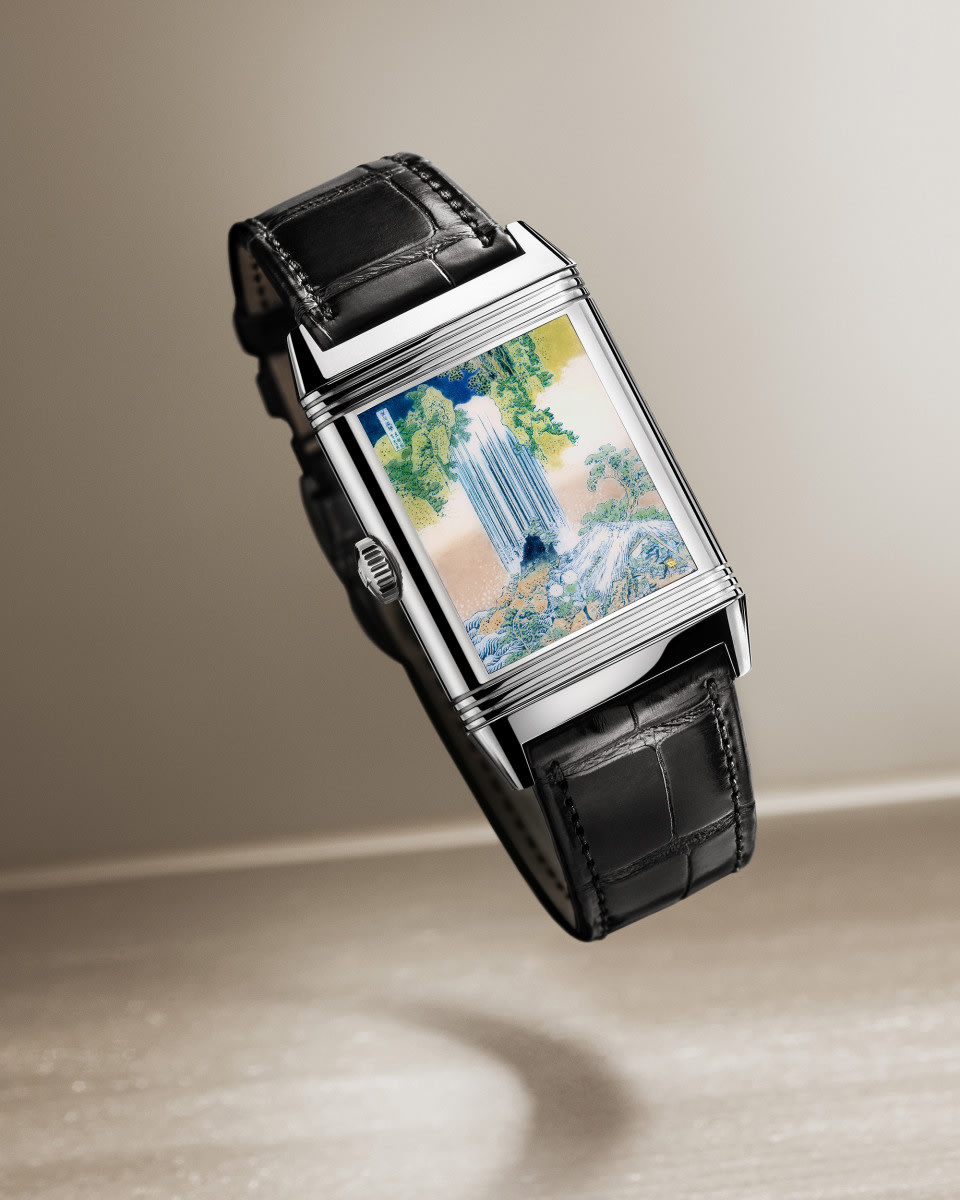
Cartier and Jaeger-LeCoultre take a different approach, linking their warranty extensions to owner programmes.
Rather than granting their longest warranties automatically, both brands require eligible owners to register while the original manufacturer’s warranty is still active. Approved extensions can bring the total warranty period to as much as eight years.
Jaeger-LeCoultre’s Care Programme also includes services beyond the warranty extension, such as personalised information, maintenance-related services and functional checks.
Similarly, Cartier Care allows owners to apply for the extension as long as the watch is still covered by its initial two-year international warranty.
Then there is Hublot, which raised the stakes in 2026 with its “5+5” warranty programme.
Its five-year international warranty brings eligible watches in line with the five-year coverage offered by several major competitors. Owners who register an eligible watch through Hublotista during the initial warranty period can receive another five years of coverage – bringing the total to 10 years.
The full 10 years is not automatic. Connected watches and Hublot Certified Pre-Owned models, for example, continue to carry a two-year standard warranty under the current terms.
Omega differs in another respect. Its warranty terms provide for replacement with an identical or similar watch if repairs cannot restore normal use.
ULTIMATELY, DO EXTENDED WARRANTIES OFFER BETTER VALUE TO CONSUMERS?
Not necessarily. Longer warranties offer reassurance against covered defects, but routine servicing generally remains an out-of-pocket expense. Accidental damage is also typically excluded, while no warranty can prevent the dings, nicks and scratches that come with regular wear.
For Liew, an extended warranty barely factors into the purchasing decision. “No one buys a five- or six-figure luxury watch because of the warranty,” he said. “They buy it because of the raw emotional draw of the brand heritage, the design aesthetics and the price. A warranty is an afterthought – a minor checkbox item.”
Tan shared a similar view. “Most, if not all, collectors I know care way more about heritage, design and resale value,” he said. “The warranty doesn’t influence them all that much. People choose a watch based on how it looks and how much they want to wear it before they look at anything else.”
There is, however, one circumstance in which it might matter.
“If I love both watches equally and am genuinely stuck between them, a better warranty might break the tie,” said Tan. “Even then, the warranty would be the very last factor I look at.”
A longer warranty is unlikely to persuade someone to buy a watch they do not already love. But it may provide extra reassurance when choosing between two equally compelling options – or simply make ownership a little less daunting.
For brands, that reassurance can still matter. “When clients are spending six figures on complex, heavy pieces like tourbillons or perpetual calendars, they naturally demand a high level of reassurance because potential repair costs can be astronomical,” said Liew.
“Extending the warranty gives the client absolute peace of mind and acts as a smooth sales tactic, allowing brands to move these high-ticket pieces with confidence.”
Consumer expectations have evolved alongside the warranties themselves. According to Chng: “Buyers spending five or six figures on a watch increasingly expect ownership to mirror the broader luxury experience: Exceptional product quality supported by excellent after-sales service. A long warranty has therefore become as much a statement of confidence as it is a practical benefit.”
Looking ahead, Chng expects longer warranties to become more common.
“I wouldn’t be surprised to see 10-year warranties become increasingly common,” he said. “Eight years already puts the industry within touching distance of what feels like a psychologically satisfying milestone.
“More importantly, it reflects how confident manufacturers have become in their production methods and product reliability. Beyond a decade, however, I suspect the practical benefits diminish.”
KioskNews shows a cleaned-up reading view extracted from the publisher’s page — the original always lives on their site, not ours.