Most US grad students show little prejudice, but some are hostile to Jews, study finds
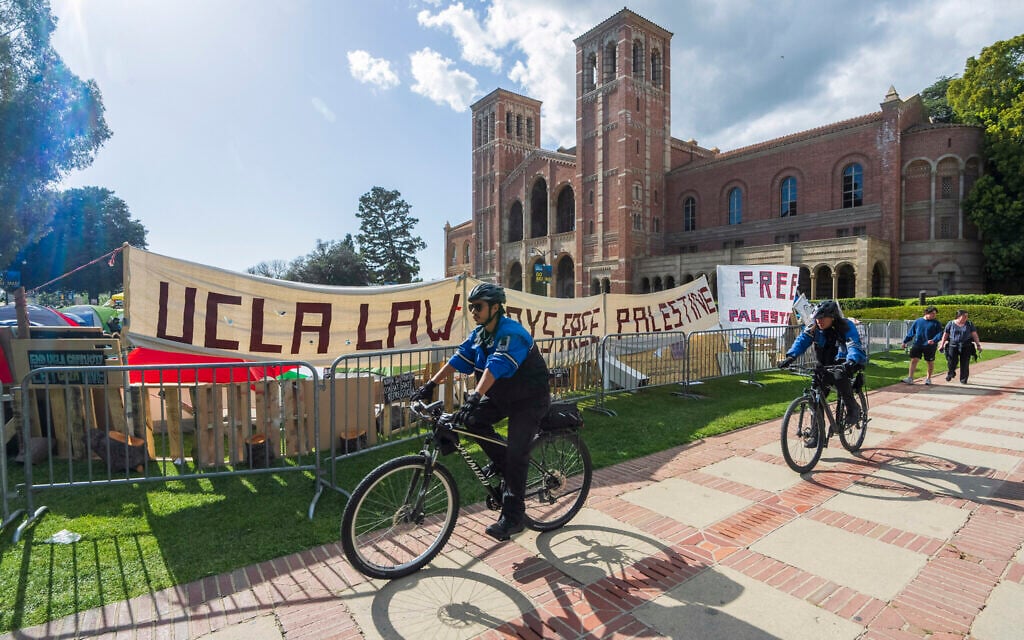
Most US graduate students express little prejudice toward Jews and other minority groups, and most do not express hostility toward Israel, but a small minority feel antagonistic toward Jews or Israel, according to a new Brandeis University study.
The survey also found that more than one in 10 Jewish graduate students were subjected to antisemitic remarks or personally blamed for Israel’s actions.
Hostility to Jews and Israel is particularly concentrated among humanities PhD students, according to the report published on Monday by the university’s Maurice and Marilyn Cohen Center for Modern Jewish Studies.
0:00 / 0:00
Promoted: JPPI, Rabbi Sharon Brous

However, despite the attention given to Israel-related protests on campuses, when given a list of five issues and asked which they most cared about, respondents ranked the Israel-Palestinian conflict last.
The study, which researchers said is the first of its type regarding graduate students’ attitudes toward Jews and Israel since the October 7, 2023, Hamas attack, is based on a survey of 3,107 graduate students at 222 US colleges and universities, and was conducted in March and April 2026.
Get The Times of Israel's Daily Edition by email and never miss our top stories
By signing up, you agree to the terms
Researchers found that 62 percent of graduate students fell into a category characterized by low levels of prejudice toward Jews, Israel, Muslims, Black people and Asian Americans. About 11% were classified as hostile to Israel and 9% as explicitly hostile to Jews, with the researchers identifying these as distinct groups.
Those findings echoed earlier research on undergraduate students by the Cohen Center, published in August, the report noted.
“Across undergraduates, graduate students, and faculty, those who express hostility to Jews and Israel are a minority, but that does not lessen their impact on the educational environment,” said Leonard Saxe, director of the Cohen Center and the Steinhardt Social Research Institute at Brandeis.
This study focuses on students pursuing five different types of graduate-level degrees: PhDs in STEM, social sciences and humanities; MBA degrees; JD; MSW; and M.Ed.
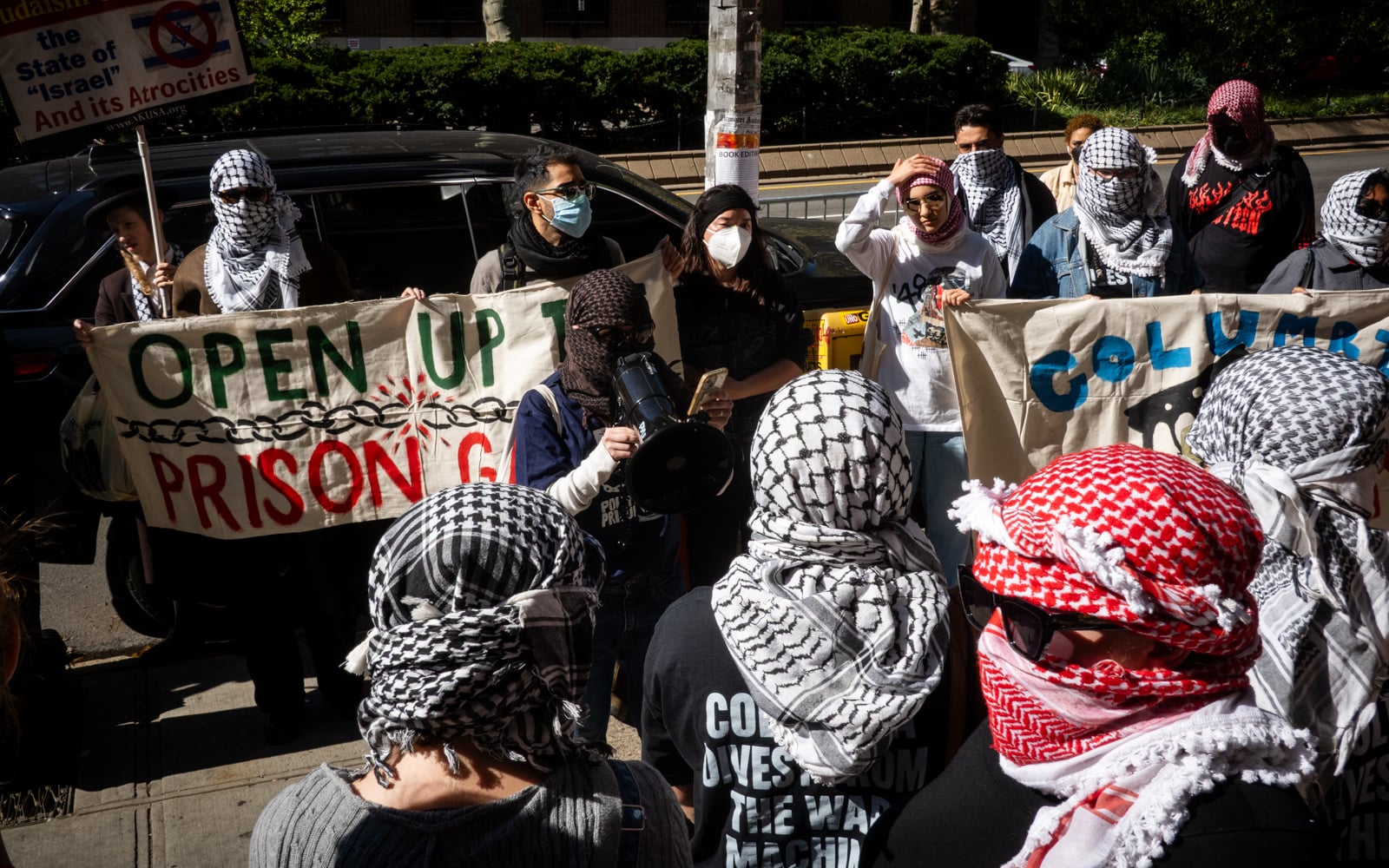
Graduate students are often influential figures on campus, the report noted. They make up a majority of all students at many universities, including Ivy League campuses such as Columbia University, Harvard University, and the University of Pennsylvania, and often serve as teaching assistants and instructors, it added.
Humanities PhD students stood out as the most likely group to express hostility to Israel, with 26% of humanities doctoral students classified as hostile to Israel, compared with 14% of social science PhD students and 9% of STEM doctoral students. They were also the most likely to rate Israel/Palestine as an issue that was personally “very important” to them (41%), the study found.
About 12% of humanities PhD students were also classified as hostile to Jews, the survey found.
However, the report cautioned against assuming that humanities students generally hold prejudicial views, noting that most did not fall into the hostile categories. It said further research is needed to understand the differences between academic disciplines and institutions.

Israel-Palestine ranks last
While much attention has been given to Israel-related protests on campuses, the Israel-Palestinian conflict ranked last among the five issues respondents were asked about. Students placed greater importance on the Trump administration and American democracy, racism, and immigration, followed by LGBTQ+ issues.
Regarding other minority groups, 12% of graduate students were classified as expressing anti-Black resentment, while 4% expressed anti-Asian and 4% anti-Muslim resentment. About 2% were classified as hostile toward multiple racial or religious minorities.
International graduate students were more likely than domestic students to be classified as hostile toward Jews (17%, compared to 7%), but were less likely to be classified as hostile toward Israel (4%, compared to 13%), the study found.
International students were also more likely to express prejudice toward Black and Asian Americans and less likely to support disruptive protests.
Students were asked to indicate their agreement or disagreement with a series of specific statements, including “Israel does not have the right to exist” and “Jews don’t care what happens to anyone but their own kind.” The survey had a total of 10 prejudicial statements across all minority groups combined.
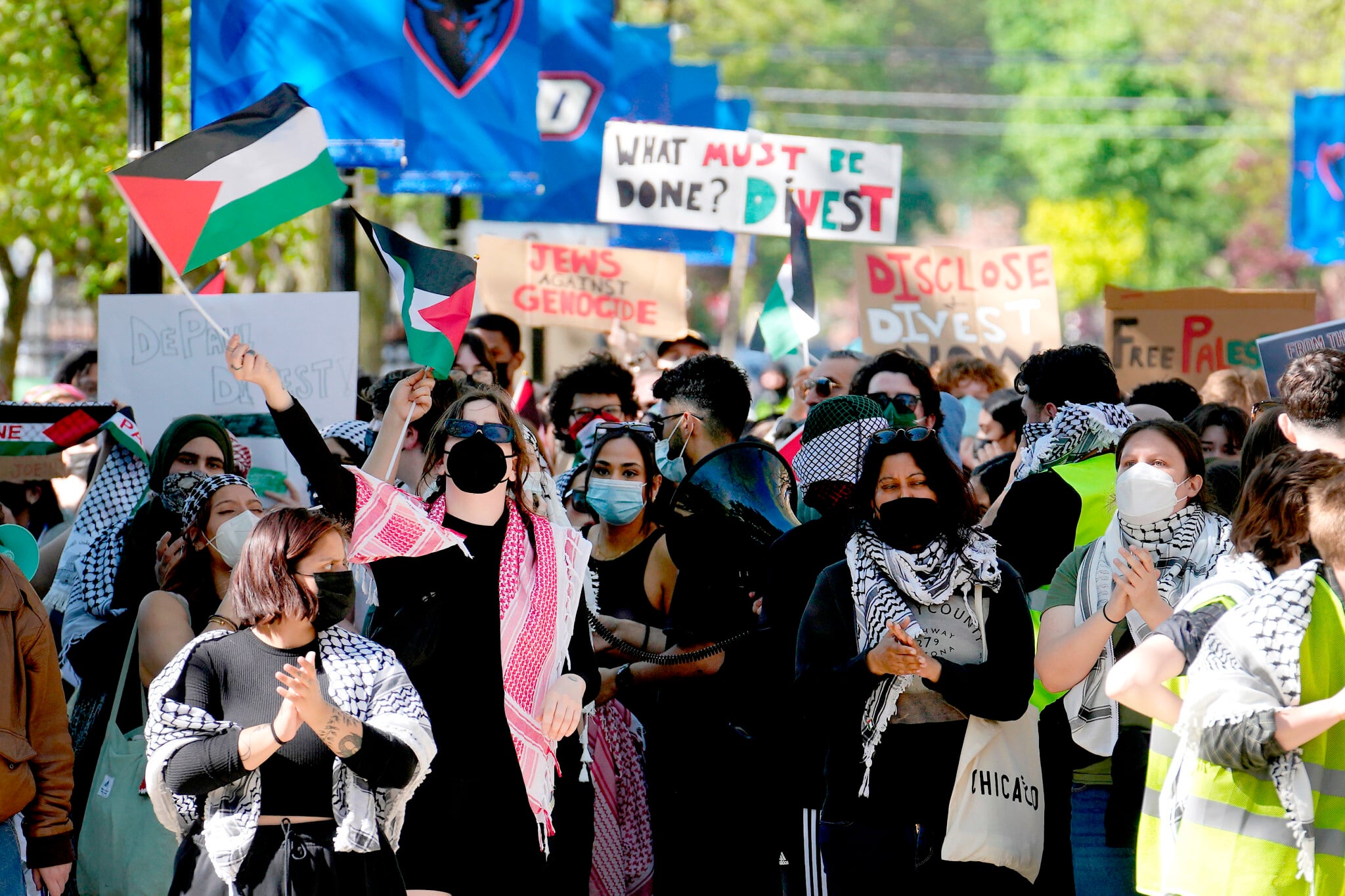
Among all respondents, 18% agreed with the statement that Jews in America have too much power, and 19% said they would not want to be friends with someone who supports Israel’s existence as a Jewish state. About 16% agreed, either strongly or otherwise, with the statement that Israel does not have the right to exist.
Researchers distinguished between criticism of Israeli policies and antisemitism. They excluded statements describing Israel as an apartheid state or accusing it of committing genocide because, they said, there was no consensus that such statements were inherently antisemitic.
17% of Jewish grad students say they face hostility
The survey also examined Jewish graduate students’ own experiences, finding that while 17% agreed that there was a climate of hostility toward Jews on their campus, 44% strongly disagreed that such a climate existed at their school.
About 14% of Jewish graduate students said they had been subjected to offensive remarks because they were Jewish during the preceding academic year, while 13% said they had been personally blamed for the actions of the Israeli government because of their Jewish identity.
Almost no respondents reported other forms of anti-Jewish discrimination, such as receiving lower grades, being denied training opportunities or being excluded from conferences or projects because they were Jewish.
Regarding attitudes toward campus protest tactics, the survey found broad acceptance, with most graduate students saying occupying buildings and shouting down speakers were acceptable in at least some circumstances.
Although 79% said violence at protests was never acceptable, the remaining 21% said they considered it acceptable in at least some circumstances, mostly rarely. Some 56% said blocking students from attending classes or speaking events was never acceptable.
The report’s authors recommended that universities engage more directly with doctoral students, particularly in the humanities, address prejudice among international students and provide clearer education about protest rules and free speech.
KioskNews shows a cleaned-up reading view extracted from the publisher’s page — the original always lives on their site, not ours.