PunchRafael Leão handed Portugal’s No. 7 shirt after Ronaldo’s departureThe Jerusalem PostSaudi Arabia reluctant to fully cooperate with Israel during attempted flydubai hijackingBollywood HungamaVijay Deverakonda’s UNHYPE records Rs 1.3 crore revenue in two weeks with launch edition: "This is just the beginning"Daily MaverickWhen VW sneezes, Nelson Mandela Bay catches a coldInquirerSandiganbayan affirms denying Jojo Ang bid to consolidate 14 graft cases7sur7Unia prépare une plainte pour racisme contre Nathan Cofnas (UGent)BBC News BrasilClique aquiRTL BoulevardSchaakgrootmeester Kasparov zegt dat hij op dodenlijst Kremlin staatNHK 社会【動画】Pickup NEWS(10月1日)Vanguard2027: I will make life affordable if electedCBS NewsIran calls U.S. Iraq withdrawal a victory that should extend to entire regionThe South AfricanFive Bafana players facing an uncertain future under Pitso Mosimane
The Daily Newsstand · Free, Always
Thursday, October 1, 2026

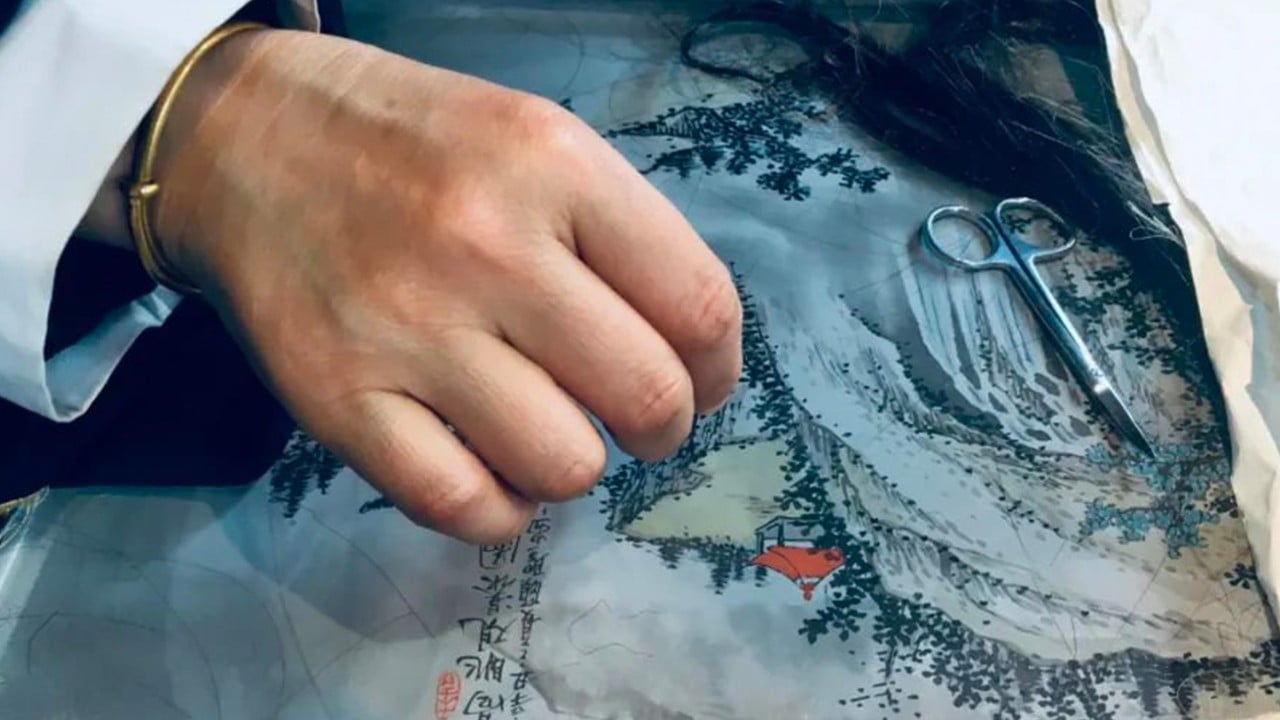
Chinese hair embroidery uses human hair instead of silk thread to create ultra-fine portraits
Translate

While China’s iconic silk embroidery is world-renowned for its exquisite detail and painterly effects, an even more meticulous traditional technique surpasses it.

Originating in Dongtai, located in eastern China’s Jiangsu province, during the Tang dynasty (618–907), hair embroidery relies on the incredibly fragile medium of human hair. With a rich history spanning over 1,000 years, a single intricate piece can take skilled artisans anywhere from several months to multiple years to complete.

It is said that young women in Dongtai first used their own hair to weave images of Buddha as a demonstration of their piety.

View the original on South China Morning Post →

KioskNews shows a cleaned-up reading view extracted from the publisher’s page — the original always lives on their site, not ours.