Chinese team says its all-in-one mini artificial pancreas offers next-gen diabetes care
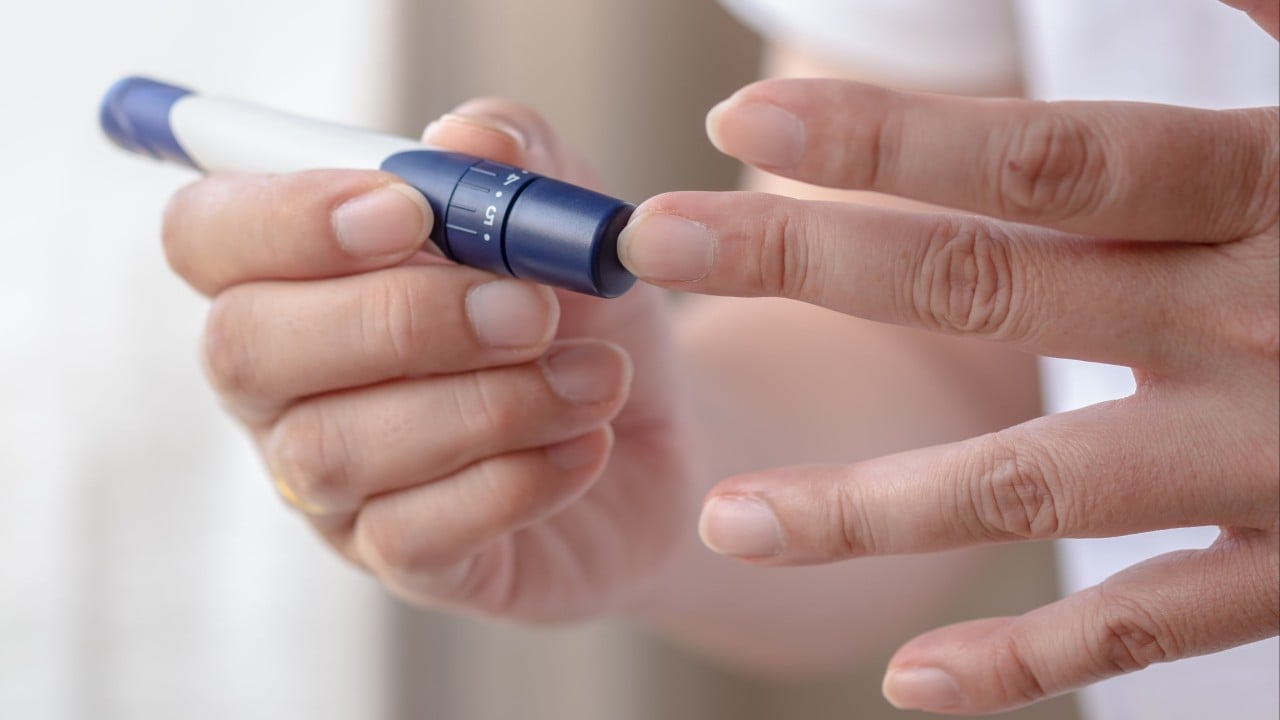
Chinese scientists have created a wearable all-in-one device combining a glucose sensor and insulin micropump that they say paves the way for a fully autonomous mini artificial pancreas, although it has so far only been tested on mice.
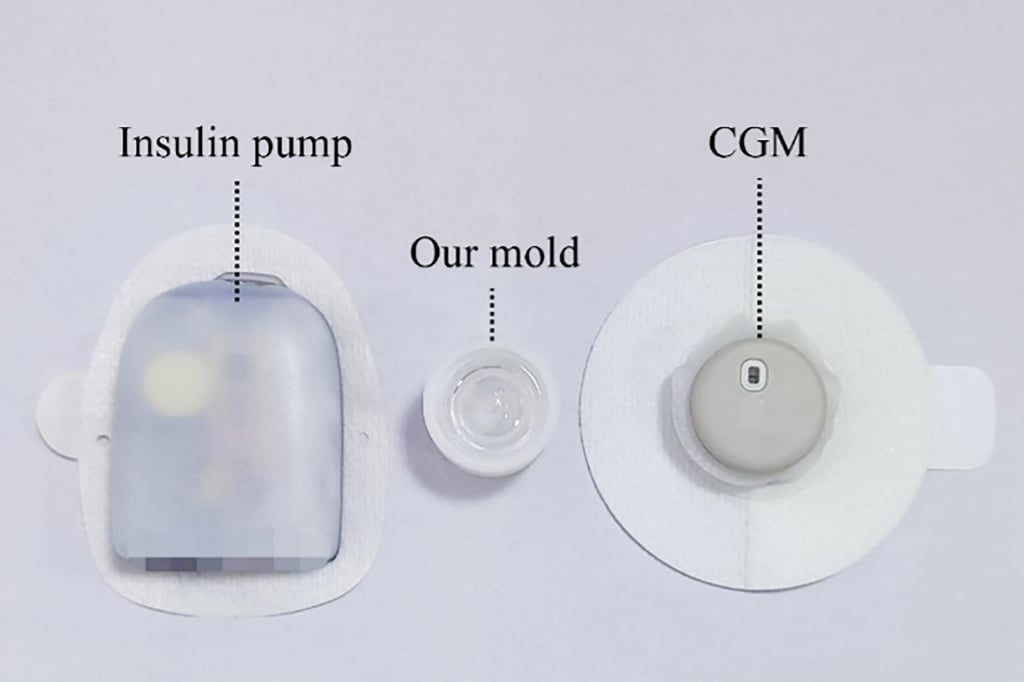
Unlike existing commercial systems for managing diabetes that typically require patients to wear two separate patches for monitoring and hormone delivery, the new prototype combines both functions in a single coin-sized device.
Researchers from the University of Electronic Science and Technology of China said their smartphone-controlled intelligent device offered a shift for next-generation diabetes management.
01:38
Chinese team aims to put ‘smart’ diabetes probiotic on US shelves within 2 years
“We present a wearable closed-loop insulin micropump that enables a miniaturised artificial pancreas in diabetes therapy,” the researchers said in a paper published in the peer-reviewed journal Microsystems & Nanoengineering on September 29.
Equipped with an electrochemical insulin micropump and a microneedle glucose monitoring unit, the device autonomously suppressed blood sugar spikes when tested in type 1 diabetic mouse models.
With an outer diameter and thickness of about 2cm (0.8 inches), the device is smaller than commercial insulin pumps and continuous glucose monitoring devices on the market, according to the researchers.
“This highly integrated, miniaturised design offers a compelling paradigm shift for next-generation patient-friendly diabetes-management systems,” the team said.
Diabetes is a disease where the pancreas does not produce enough insulin – the hormone that controls glucose levels in the blood – or when the body is unable to effectively use the insulin it produces, according to the World Health Organization (WHO). Unmanaged diabetes can cause complications such as heart disease, kidney failure, stroke, blindness, limb amputation and death.
According to the International Diabetes Federation, about 589 million adults worldwide are living with diabetes, with the number estimated to exceed 850 million – or 1 in 8 adults – by 2050.
People with type 1 diabetes do not produce enough insulin and need to take it to survive. This form of diabetes is not preventable and there is no cure.
Type 2 diabetes, which affects the vast majority of diabetics, is an often preventable form that can involve impaired insulin production or insulin resistance. Blood glucose levels can be managed through diet, exercise and medication, along with insulin administration.
In 2022, more than half of people aged 30 and above living with diabetes worldwide did not take medication to treat it, with coverage the worst in low and middle-income countries, according to the WHO.
Insulin management has shifted from manual injections towards automated delivery and hybrid closed-loop systems that pair wearable insulin pumps with continuous glucose-monitoring sensors.
“Despite these clinical triumphs, the realisation of a fully autonomous, highly integrated and patient-friendly artificial pancreas remains hindered by the fundamental architectures of current commercial devices,” the Chinese team said.
Even in leading automated delivery systems, the sensor functions as a separate unit. Existing pumps also typically rely on mechanical or electromagnetic drives, which can make the devices rigid, bulky and energy intensive.
The team’s new device has an electrochemical micropump, a hydrogel microneedle monitoring unit that uses glucose-responsive fluorescence to measure blood sugar levels, and a wireless low-energy Bluetooth control circuit controlled via smartphone.
When the device senses high blood sugar, the control circuit is activated to output an electrical current. This drives electrodes within the micropump to electrolyse water and generate gas, causing pressure that pushes against a latex membrane to deliver insulin into the body.
“As the blood glucose level gradually returns to baseline, the system automatically suspends drug delivery. Thus, an intelligent theranostic loop without manual intervention is established,” the paper said.
A smartphone application can also be used to monitor glucose levels and execute personalised treatment interventions. In testing, the device functioned stably in typical environmental temperatures.
According to the team, the micropump and control circuits allow for extended wear exceeding 20 days, while the hydrogel microneedle patch is designed to be modularly replaceable more frequently.
02:39
China’s self-powered neural device helps stroke survivors walk naturally
By comparison, market-leading glucose sensors such as the Dexcom can be worn for 10 to 15 days, while leading patch pumps like the Omnipod require changing every three days.
The team tested its new device in mice and found that punctures from the microneedle patch disappeared within 15 minutes and said the therapeutic efficacy of the micropump matched that of traditional manual insulin injections.
To transition from mice to humans, the team said dosing requirements must be carefully considered – maintaining an ultra-compact device would require higher concentration insulin formulations.
“This ultra-compact and wireless paradigm transcends the dimensional limitations of traditional devices, providing a viable patient-friendly blueprint for the future of personalised diabetes care,” the researchers said.
KioskNews shows a cleaned-up reading view extracted from the publisher’s page — the original always lives on their site, not ours.