Fish and chip fans told to avoid two cod alternatives in threat to popular takeaway
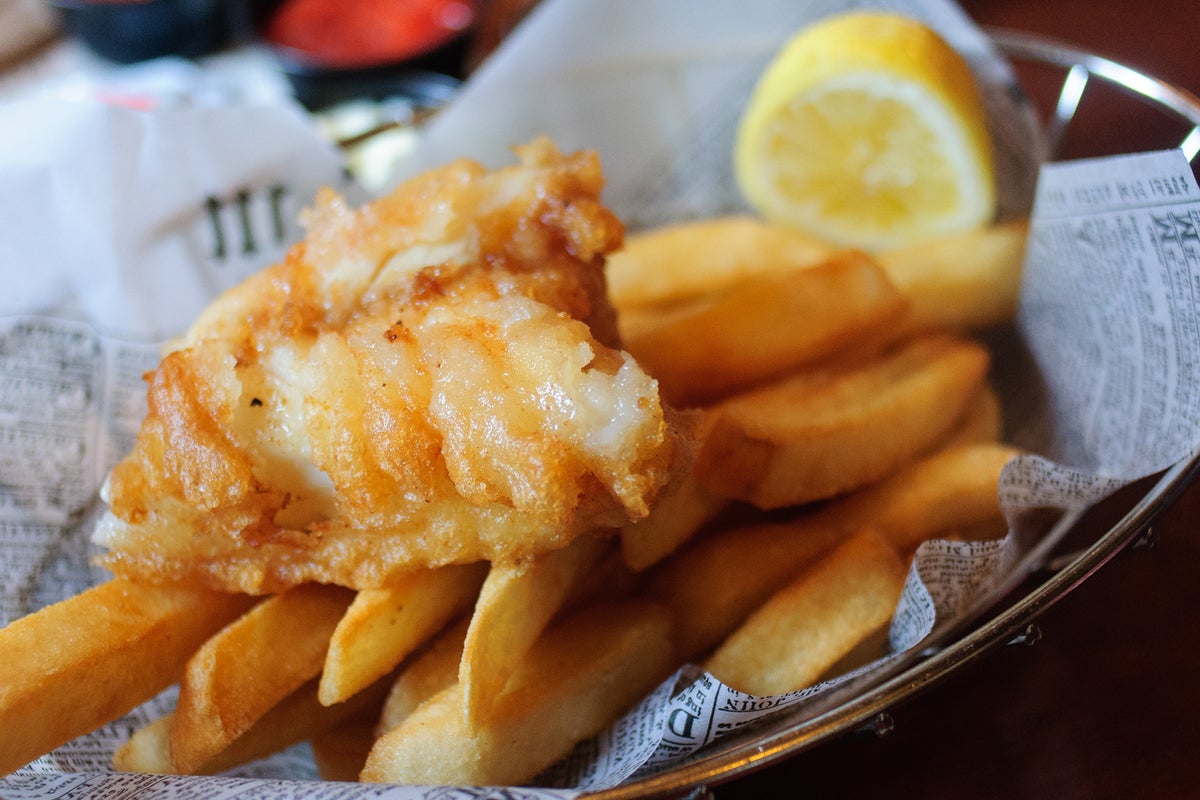
Concerns over rising fishing pressure and dwindling stocks have prompted warnings regarding European hake, long promoted as a suitable substitute for cod.
The Marine Conservation Society (MCS) has lowered its rating for hake caught in the North Sea, Celtic Seas, and Bay of Biscay from green to amber.
Coley, another popular whitefish alternative landed around the UK in the North Sea, west of Scotland, Rockall, and Skagerrak, has been downgraded to red due to falling populations and a lack of recovery plans, according to the MCS.
North-east Arctic coley has also suffered rating downgrades across several fishing methods, driven by shrinking stocks and persistent overfishing.
However, coley caught in Icelandic waters retains its green rating, as does Cornish hake.
In addition, haddock caught off Iceland has slipped from green to amber because fishing pressure has surpassed sustainable limits and catches continue to exceed scientific advice.
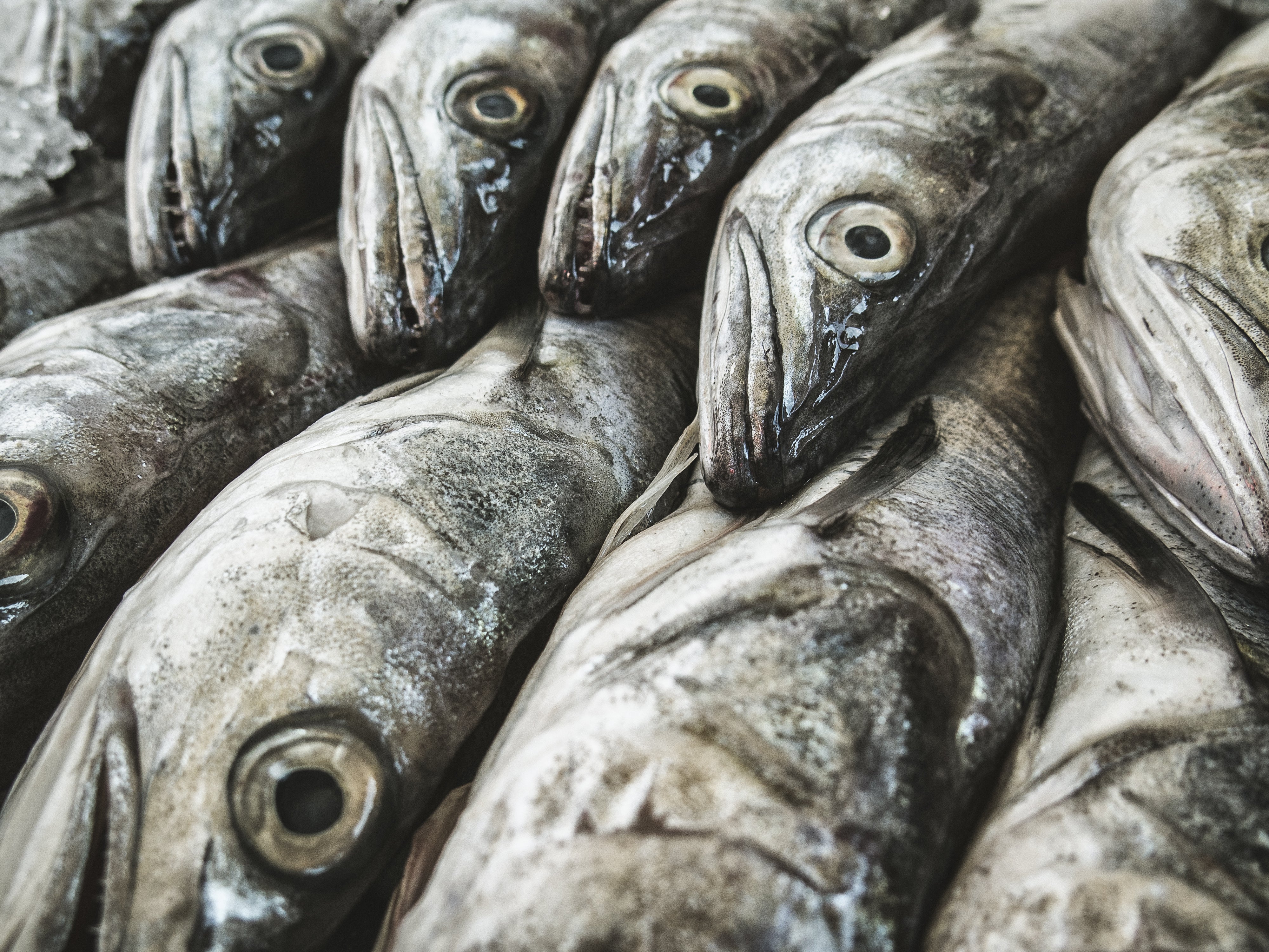
Haddock caught across the North Sea, Skagerrak and Scottish waters, the second biggest source of the fish to UK consumers, remains green rated and is a good choice at the present time, according to the MCS’s Good Fish Guide.
Kerry Lyne, Good Fish Guide manager at the MCS, said: “The status of fish stocks are continuously changing, and for consumers, it means that simply choosing a species isn’t enough.
“A fish that was a good choice a few years ago is not necessarily a good choice everywhere today.
“Ratings on the Good Fish Guide show the latest scientific advice depending on the species, and where and how its caught or farmed.
“The best thing we can all do if we eat seafood, is diversify our seafood choices and avoid those most under threat.
“We need the UK government to ensure better management is in place to recover and protect UK fisheries, many of which are in decline.”
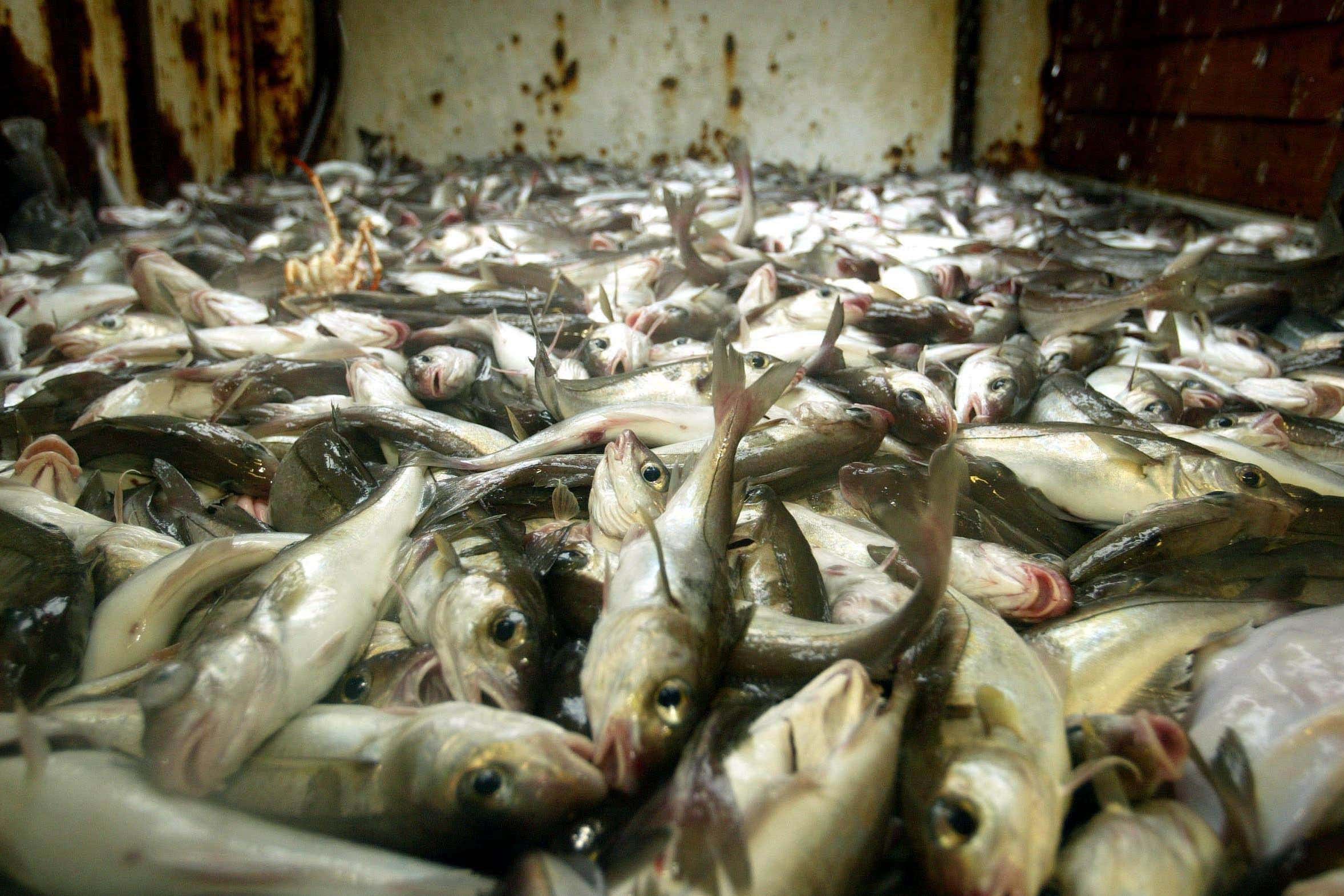
Some fish stocks have seen their ratings upgraded, including some North Sea herring, with a new green rating for Atlantic bluefin tuna in UK waters.
For white fish, the Good Fish Guide recommends Alaska pollock from the Gulf of Alaska or the Bering Sea, monkfish caught in the North Sea, Rockall or west of Scotland, or most seabass.
However consumers have been advised to avoid seabass from the west of Scotland and west of Ireland because of poor stock.
European lobster from Jersey and certified by the MSC remains green rated, alongside Shetland MSC-certified brown crab, UK farmed blue mussels and UK Recirculating Aquaculture System-farmed king prawns.
Chris Graham, head of ocean regeneration and sustainable seafood at the MCS, said: “The resurgence of tuna in UK seas can certainly be partly attributed to better fisheries management brought in over 20 years ago, following decades of overfishing.
“We’re now pleased to see a small well-managed fishery in place, but caution must prevail, and this iconic species must be monitored closely so the health of the UK population can continue to improve.”
KioskNews shows a cleaned-up reading view extracted from the publisher’s page — the original always lives on their site, not ours.