New DICT chief faces task of putting house in order amid digital ambitions
Already have Rappler+?
to listen to groundbreaking journalism.
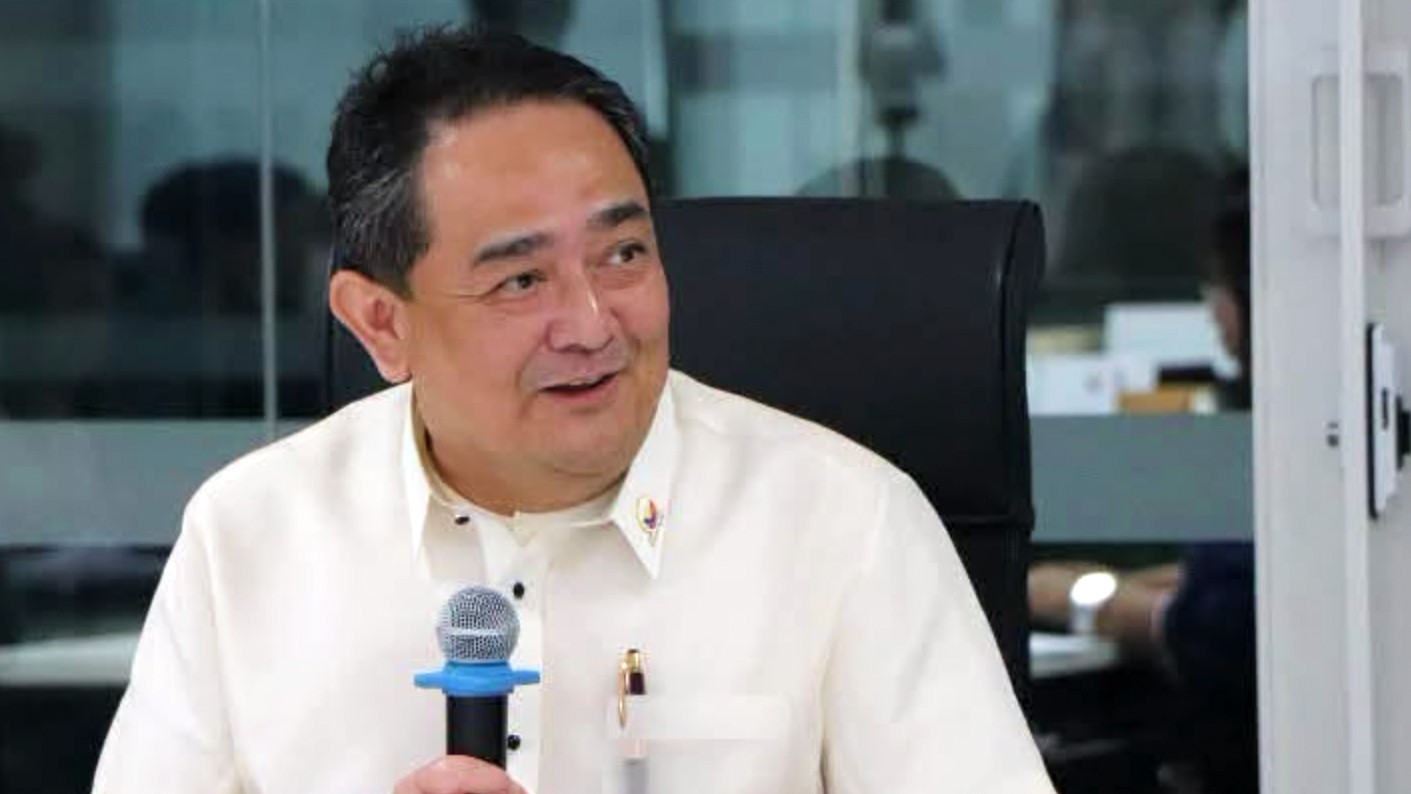
ROBERT DE CLARO. The new DICT chief attends a briefing at the DICT office, Wednesday, October 14, 2026
DICT
Robert Joseph de Claro inherits a department beset by procurement controversies, internal disputes, and questions over its ability to deliver essential digital services
AT A GLANCE
- The newly appointed DICT Secretary Robert Joseph de Claro faces the challenge of addressing internal controversies and improving the agency's management of public resources.
- De Claro has committed to a comprehensive review of the DICT's projects and budgets within three months, amid scrutiny over past financial management and operational issues.
This is AI-generated. Read the article for full context. Report any errors.
MANILA, Philippines — As the Philippines races to modernize government services, improve internet connectivity, and position itself for the age of artificial intelligence (AI), the agency tasked with leading that transformation faces a more immediate challenge: putting its own house in order.
This is the situation that newly appointed Department of Information and Communications Technology (DICT) Secretary Robert Joseph de Claro faces. The former Social Security System (SSS) chief replaced Henry Aguda following a tumultuous tenure marked by budget controversies, internal disagreements reported in the media, and questions over the implementation of government technology projects.
De Claro has promised a comprehensive review of the department’s projects, budgets, and procurement processes, with a clearer plan for the agency, BusinessMirror reported. Give him 3 months, he told reporters.
The commitment comes as the DICT faces mounting pressure to demonstrate that it can effectively manage public resources while delivering on the administration’s digitalization goals.
Questions over the department’s financial management surfaced as early as late 2025, when DICT officials disclosed that its budget contained P8.3 billion in excess funds, compared to what they had originally proposed under the National Expenditure Program.
Officials at the time said P5 billion had been used for connectivity initiatives, including the Bayanihan SIM program and free Wi-Fi for schools, while P3.3 billion was not released to the agency.
Then-undersecretary Christina Faye Condez-de Sagon rejected allegations linking her to questionable budget insertions. De Sagon said, “… we were a disruptive force in DICT. We brought in a new kind of leadership, we brought in better governance, I believe,” in an ABS-CBN report.
In hindsight, these were already probably murmurs of trouble in paradise because in August 2026, Malacanang would dismiss Condez-de Sagon, and assistant secretary June Vincent Manuel Gaudan over alleged procurement violations.
In December 2025 as well, Rappler uncovered internal DICT audits that alleged eGov Undersecretary David Almirol Jr. had conflict of interest issues arising from contracts between the agency and companies he formerly had ties with. A separate audit also warned of the possible weak data protections due to the absence of contracts in the implementation of the eGov app together with partner local governments.
Later in April 2026, the agency once again faced scrutiny over the reliability of its digital services.
A two-day outage of the eGovPH app exposed infrastructure and funding constraints after a surge in users overwhelmed systems. At a Senate hearing, Senator Bam Aquino said, “You need to subscribe to a higher tier. Usually, you just pay — and that solves your problem,” referring to scalable cloud infrastructure. “Clearly, that’s not acceptable,” Aquino reprimanded the agency.
Internal disagreements further complicated matters. In May, BusinessMirror reported that two information technology organizations warned that tensions between Aguda and Almirol Jr. could undermine public services and the country’s digital transformation agenda, and called for cooperation between the two.
In September, the Office of the Ombudsman announced a fact-finding investigation into alleged “ghost internet” projects involving the agency’s flagship Free Wifi For All initiative, including possible payments for undelivered services and the use of substandard or counterfeit software.
That same month, the House also deferred its proposed budget due to concerns over the supposed lack of results in online safety, particularly in the wake of the multiple fatal school shootings in the second half of the year, with supposed ties to online entities influencing the youth to commit violent acts or nihilistic violent extremism.
Aguda’s final weeks were marked by backlash over the DICT’s temporary blocking of Discord, a decision reversed within a day.
In an odd incident, the DICT retracted its statement that the House had invited Meta CEO Mark Zuckerberg to a hearing, blaming news organizations for spreading the information, even if it came from its own Facebook page itself. A mere error? Or a sign of internal turmoil surfacing?
Now, for de Claro, the challenge extends beyond resolving the controversies he inherited.
The DICT must simultaneously expand public connectivity, strengthen cybersecurity, maintain digital government platforms, and establish policies for emerging technologies — its known mandates.
But first, these ambitions will require institutional stability, and regaining the public confidence in the agency’s ability to deliver after a year of tumult. For an agency central to the Philippines’ digital future, rebuilding confidence in its own operations by sorting out whatever factions that have formed in the past year may be the first step toward fulfilling that mandate.
And after that, can new leadership demonstrate that existing programs are properly funded, implemented, and monitored? De Claro has 3 months to get this started on the right foot. – Rappler.com
KioskNews shows a cleaned-up reading view extracted from the publisher’s page — the original always lives on their site, not ours.