South Korea probes death of frontline soldier near North Korean border
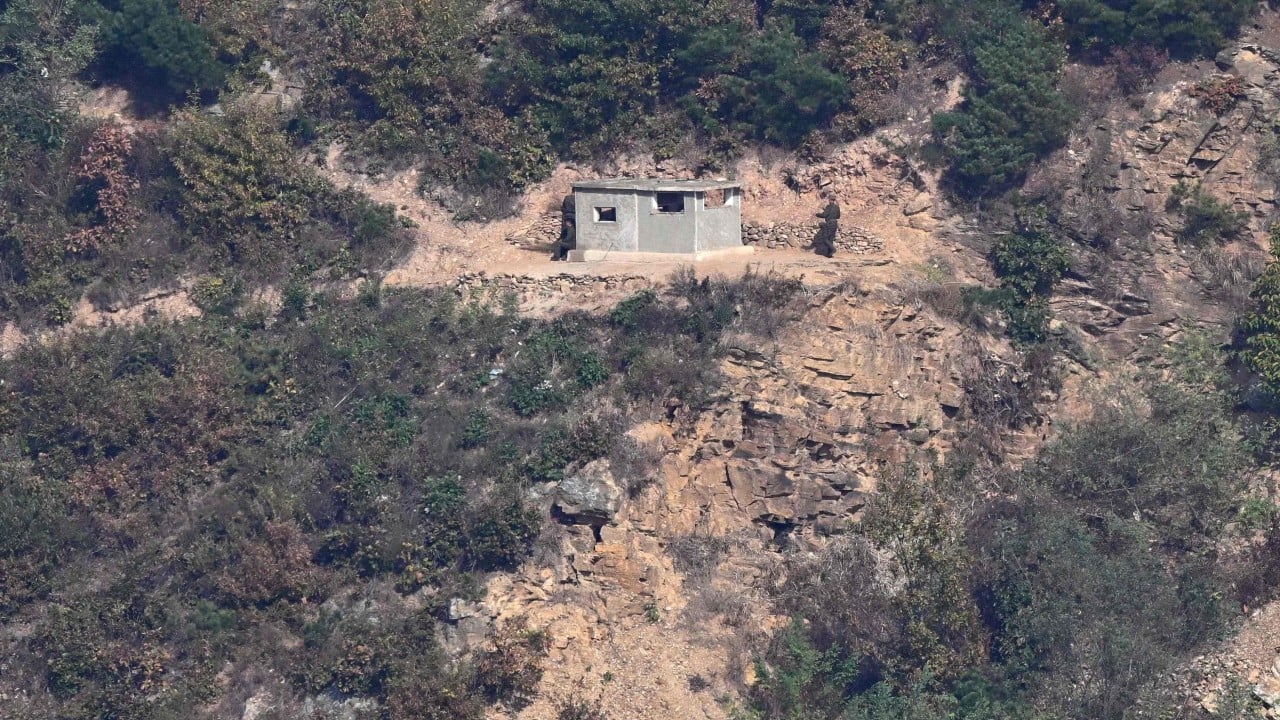
A South Korean army staff sergeant died after suffering external injuries at a frontline unit in Cheorwon near the North Korean border on Monday morning, Seoul’s Defence Ministry said.
Military and civilian investigators were examining the exact cause and circumstances of his death, the ministry said.
A unit member found the twenty-something staff sergeant collapsed with a severe head injury inside a building at about 7.15am and reported it, according to the Chosun Biz.
The death comes amid heightened tensions along the border after three South Korean soldiers were wounded in landmine explosions south of the Military Demarcation Line on September 21.
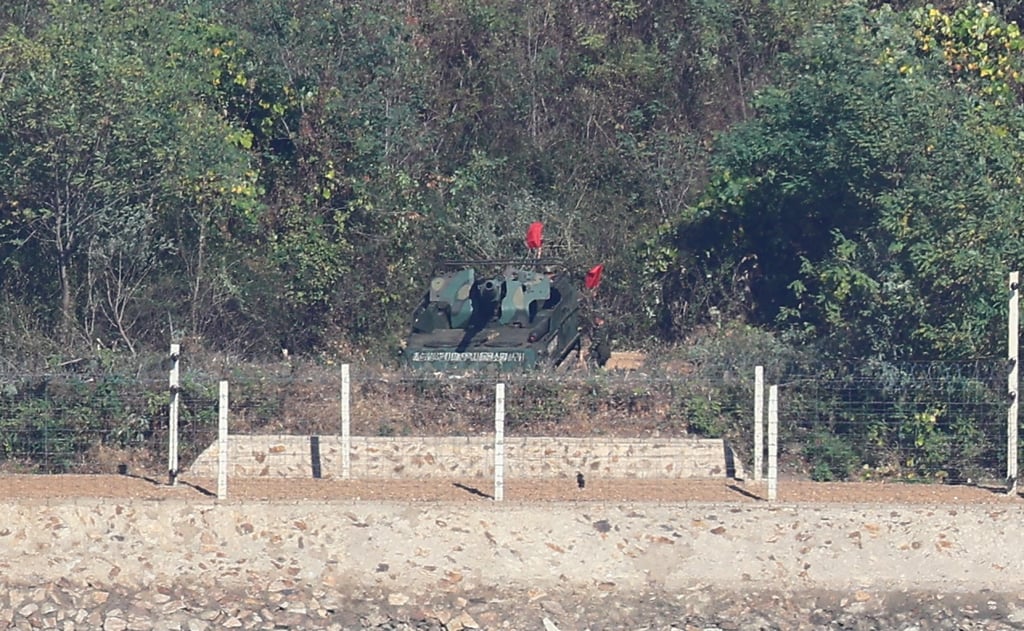
South Korea’s military has said the mines that caused the explosions in September were laid by North Korea as part of its efforts to fortify the border since 2024, an accusation Pyongyang has denied.
North Korea subsequently threatened to resume loudspeaker propaganda broadcasts towards the South by the end of October. South Korea’s military said on Monday, however, there were no confirmed indications yet that Pyongyang had followed through on the threat.
It was not immediately clear whether the staff sergeant’s death was related to the border tensions.
Nuclear threat
North Korea on Monday vowed to accelerate efforts to strengthen its nuclear deterrent, calling a recent US-South Korean joint military exercise a nuclear war rehearsal targeting the country, according to state media Korean Central News Agency.
Kim Jong-sik, a deputy department director in the ruling Workers’ Party, said the Iron Mace exercise showed the US remained unchanged in its “wild ambition to stifle North Korea with nukes” and that such threats were “escalating with each passing day”.
He said Iron Mace and other joint military activities by Washington and Seoul underscored the need for North Korea to bolster its nuclear forces at a faster pace.
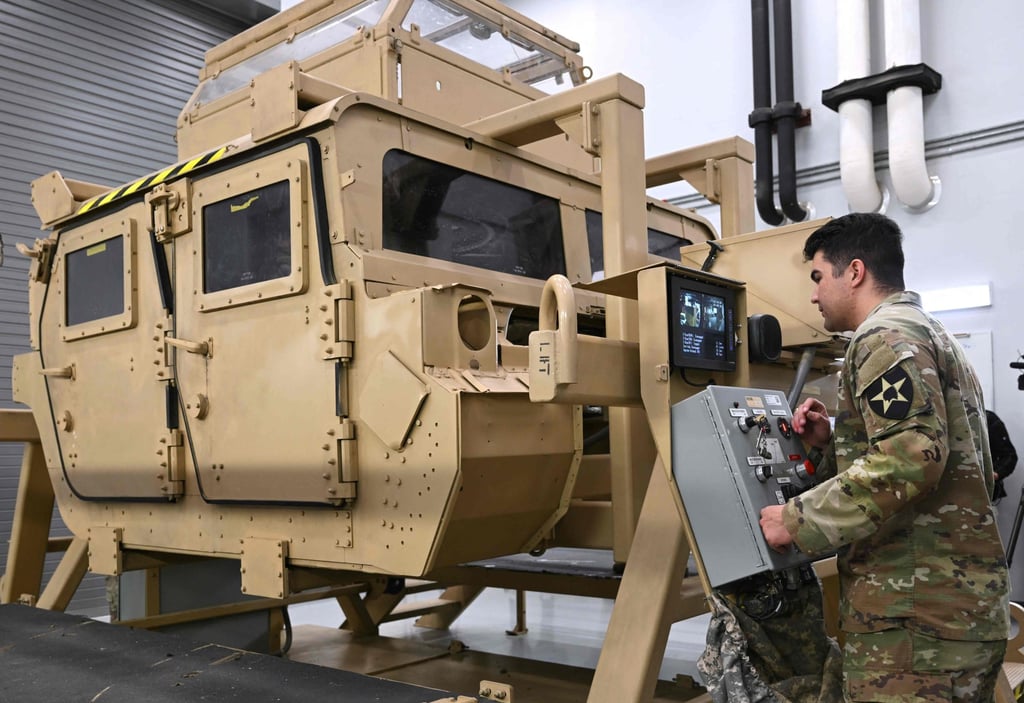
The United States and South Korea held Iron Mace, an exercise aimed at integrating US nuclear capabilities with South Korean conventional forces, from September 29 to October 2, according to Seoul’s military.
Analysts said it was unusual for Kim, a key official overseeing North Korea’s nuclear and missile development and production, to issue a statement setting out the country’s nuclear policy, a role more commonly taken by the defence or foreign ministry.
Yang Moo-jin, a professor emeritus at the University of North Korean Studies, said Kim’s role could be expanding beyond the development and production of missiles to include nuclear and missile policy.
KioskNews shows a cleaned-up reading view extracted from the publisher’s page — the original always lives on their site, not ours.