China’s Yutong Bus expands overseas as new-energy bus exports surge
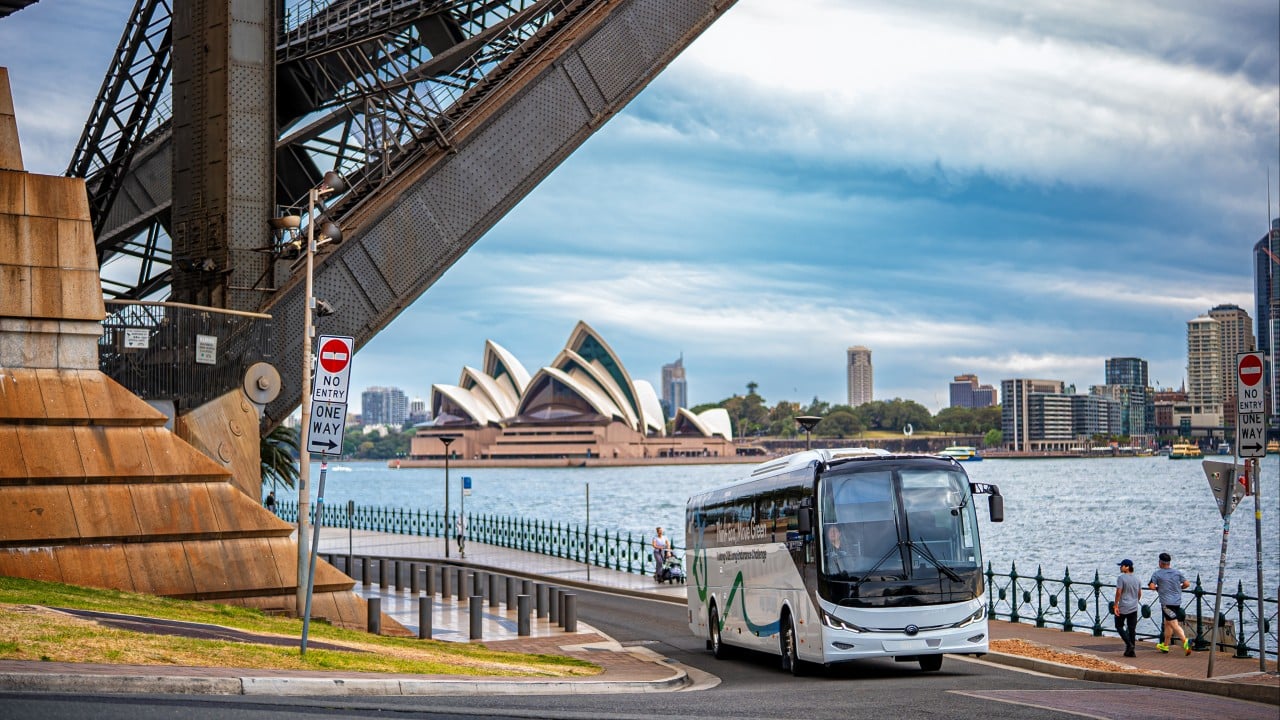
China’s Yutong Bus, the world’s largest electric bus manufacturer, is seeing its overseas shipments climb steadily, with demand growing rapidly in countries such as Australia, Malaysia, Saudi Arabia and Morocco.
Based in Zhengzhou in central China’s Henan province, the company now generates more than half of its total revenue from overseas sales. New-energy models – comprising pure-electric and hybrid vehicles – have made up 25 per cent of its bus exports so far this year, a sharp increase from just 3 per cent in 2018.
Yutong holds more than 10 per cent of the global market, including China, for large and medium-sized buses and coaches, according to the company. Its competitors include domestic peers BYD, Zhongtong Bus and Xiamen King Long United Automotive Industry, as well as overseas companies like Mercedes-Benz and Volvo.
“Overseas public transport demand is growing fast, and international buyers are seeking more premium electric buses,” said Kent Chang, Yutong’s Asia-Pacific CEO. “We will consider setting up research and development [R&D] centres and production facilities abroad in the future.”
Following the 2022 Qatar World Cup, the company secured a foothold in Saudi Arabia’s premium bus market, gaining market share from overseas rivals Mercedes-Benz and Volvo, Chang added.
“Our double-decker bus has also seen strong sales in the United Kingdom,” he said.
Founded as a bus repair factory in 1963, Yutong has grown its global market share despite relatively higher prices than rivals. In Australia, it holds the second-largest market share at 18.7 per cent, behind Volvo.
“Foreign bus makers have modest output and focus largely on fossil-fuel models,” said David Zhang, general secretary of the Shanghai-based International Intelligent Vehicle Engineering Association. “In many overseas markets, private car use is prevalent, and public transport infrastructure lags behind China’s.”
“[China’s] electric bus output accounts for nearly the global total, while local manufacturers in Europe, North America and India run low-volume and build-to-order operations,” he said.
According to Yutong, the sector hit its peak in 2019 before plunging during the Covid‑19 pandemic and its significant disruptions to public transport. Overseas markets bounced back swiftly after the pandemic, fuelling a rapid growth in their orders.
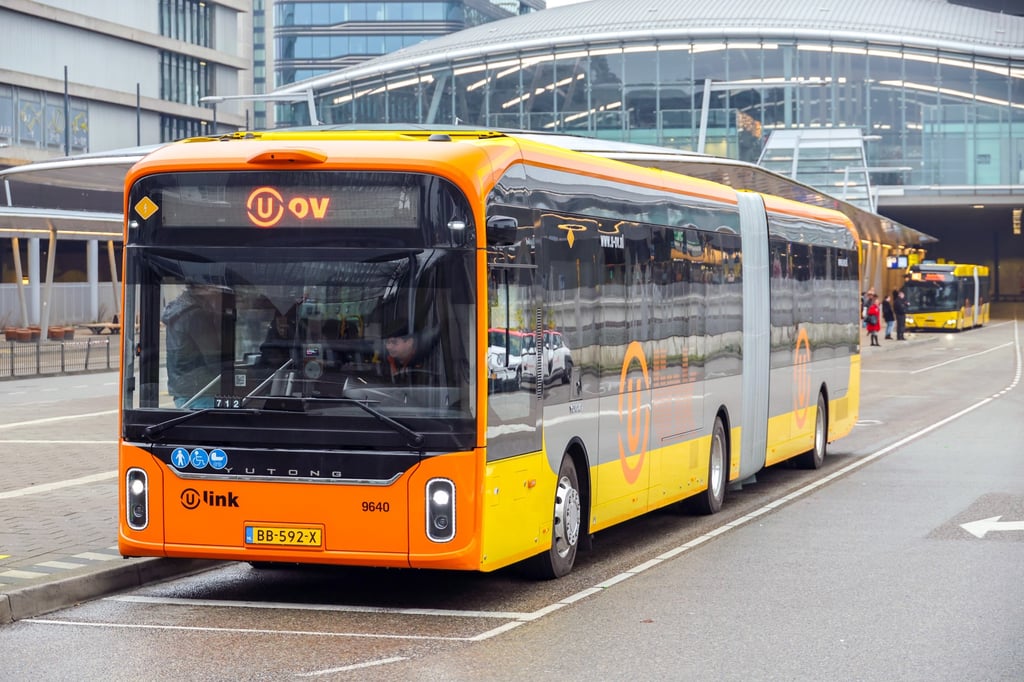
The company allocates 4.4 per cent of revenue to R&D. It sources battery modules from Contemporary Amperex Technology Ltd (CATL) for export models, while its domestic buses use lithium‑ion cells from CATL and battery modules produced by Yutong’s subsidiary Zhengzhou Slanpower Technology.
SCMP Plus is a new premium news platform that gives you an
all-inclusive edge to stay ahead on China news.
To access our exclusive content you’ll need to subscribe.
Already a subscriber?
LOG IN
In the first nine months of this year, Shanghai-listed Yutong sold 30,929 buses, of which 7,895 were electric models, according to its third-quarter earnings report.
It posted sales of 9.1 billion yuan (US$1.37 billion) in the quarter, down 11.13 per cent year on year, while net profit dropped 3 per cent from a year earlier to 1.32 billion yuan.
In June, China’s monthly car exports topped 1 million units for the first time. Shipments of electric and hybrid vehicles outpaced those of fossil fuel cars, according to the China Association of Automobile Manufacturers.
KioskNews shows a cleaned-up reading view extracted from the publisher’s page — the original always lives on their site, not ours.