US lawmakers say Cambodia’s scam industry could equal 60% of GDP
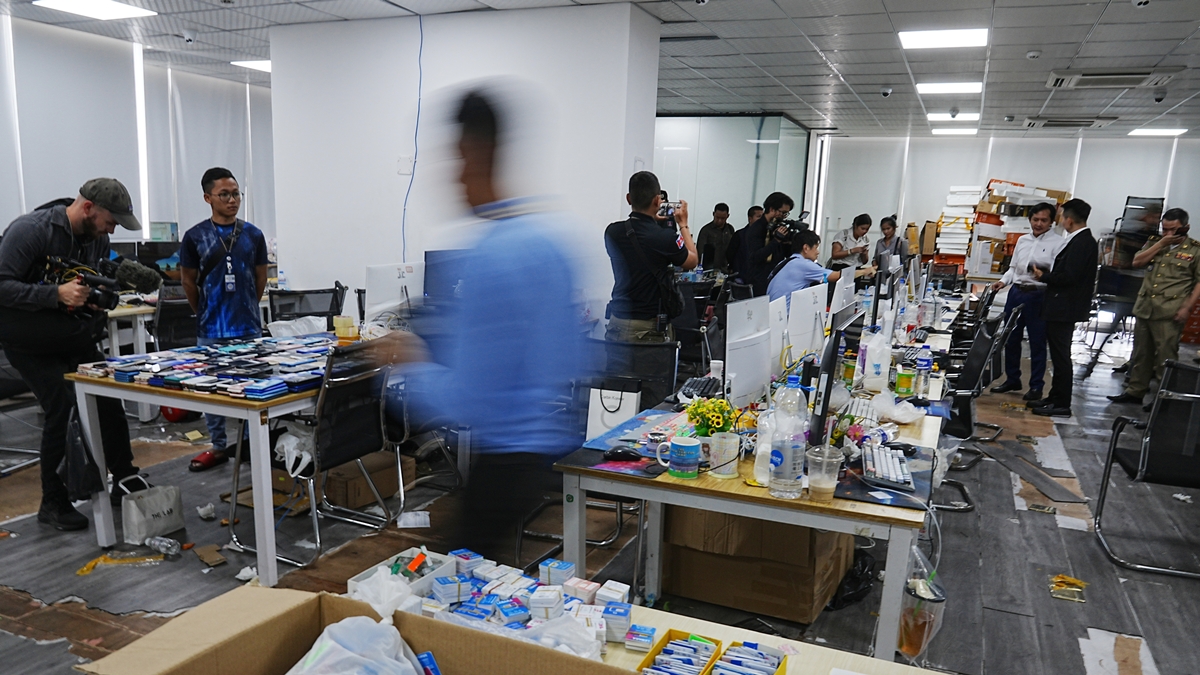
Profits from online scam operations in Cambodia may amount to as much as 60% of the country’s formal gross domestic product, according to a letter by two senior US House lawmakers seeking investigations into Southeast Asia’s scam industry.
The 15 September letter from House Foreign Affairs Committee Chairman Brian Mast and House Select Committee on China Chairman John Moolenaar said reports had identified links between government officials and criminal scam operations in Cambodia.
Citing a May 2025 report, the lawmakers said corruption, government protection and alleged involvement by political elites were key factors enabling Cambodia’s trafficking and cybercrime networks.
They also cited a June 2025 report that found the Cambodian government’s investigations into scam compounds had been inadequate to prevent or stop alleged abuses including human trafficking, forced labour, child labour, torture and unlawful detention.
The lawmakers said some governments in the region had increased pressure on scam operations in recent months, but financial networks, organisers and political protection structures supporting the industry remained largely intact.
They said some scam centres had relocated while new compounds continued to be built, allowing the wider criminal system to persist despite enforcement efforts.
KioskNews shows a cleaned-up reading view extracted from the publisher’s page — the original always lives on their site, not ours.