PH pushes for enhanced climate finance access amid floods, other risks
Make this your preferred source to get more updates from this publisher on Google.
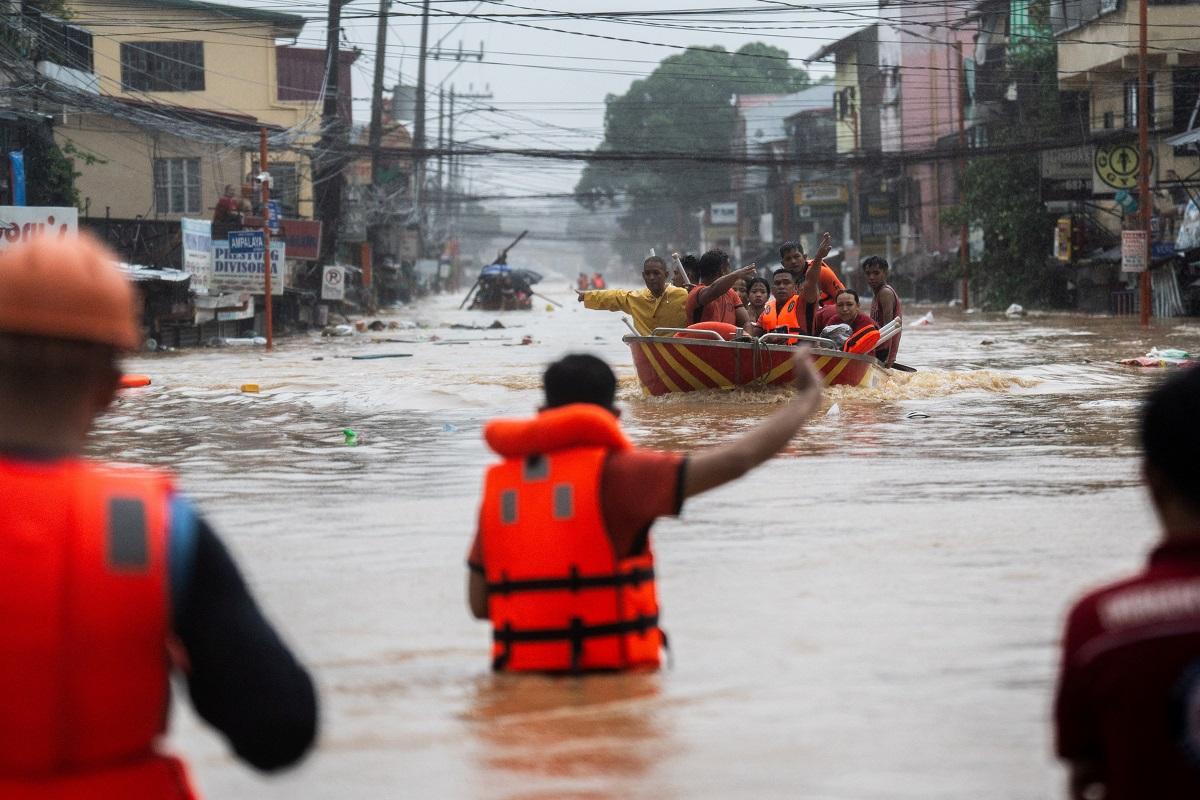
The Philippines has called for better access to climate finance to help national and local institutions strengthen protection for communities facing floods, water insecurity, coastal erosion, and other climate-related risks.
Climate Change Commission (CCC) Vice Chairperson Robert Borje said climate finance should be assessed not just by the amount pledged but also by how effectively countries can access and use it to protect people, livelihoods, and ecosystems.
“Finance must follow risk and need, not only the prospect of financial return,” Borje said during the 2026 Forum of the United Nations Framework Convention on Climate Change Standing Committee on Finance (UNFCCC SCF) in Sydney, Australia.
According to CCC, developing countries are estimated to require $310 billion to $365 billion annually for adaptation by 2035. International public adaptation finance reaching them, however, stood at only $26 billion in 2023.
Meanwhile, water and wastewater accounted for approximately 49% of tracked adaptation finance in 2021 and 2022, the largest sectoral share.
“But a large share of an inadequate pool remains inadequate,” Borje said.
The CCC official identified three priorities: clearer and more consistent accounting of climate finance; financial instruments and terms suited to the investments required; and enhanced access for national and subnational institutions.
He also called for simpler requirements and sustained support for institutions seeking climate finance.
“In many developing countries, including the Philippines, national and subnational institutions face accreditation, project-preparation and approval requirements that exceed their technical and financial capacity,” Borje added.
During the forum, the Philippines also pushed for financing that matches different climate needs, as public and concessional funds will remain important, while private and blended financing can help increase available resources.
The SCF supports the UN climate process by reviewing the climate finance system, improving coordination among institutions, and providing guidance and recommendations to the Conference of the Parties and the Paris Agreement.
Meanwhile, the CCC is the Philippine government’s lead policy-making body on climate change. Under RA No. 9729, it coordinates, monitors, and evaluates government programs and actions on climate change.
The CCC also helps set Philippine priorities, identify challenges faced by national and local institutions, and push for improvements in international climate finance policies and procedures. —RF, GMA News
KioskNews shows a cleaned-up reading view extracted from the publisher’s page — the original always lives on their site, not ours.