Hong Kong’s Generation Y unhappiest amid housing and economic pressures, poll finds
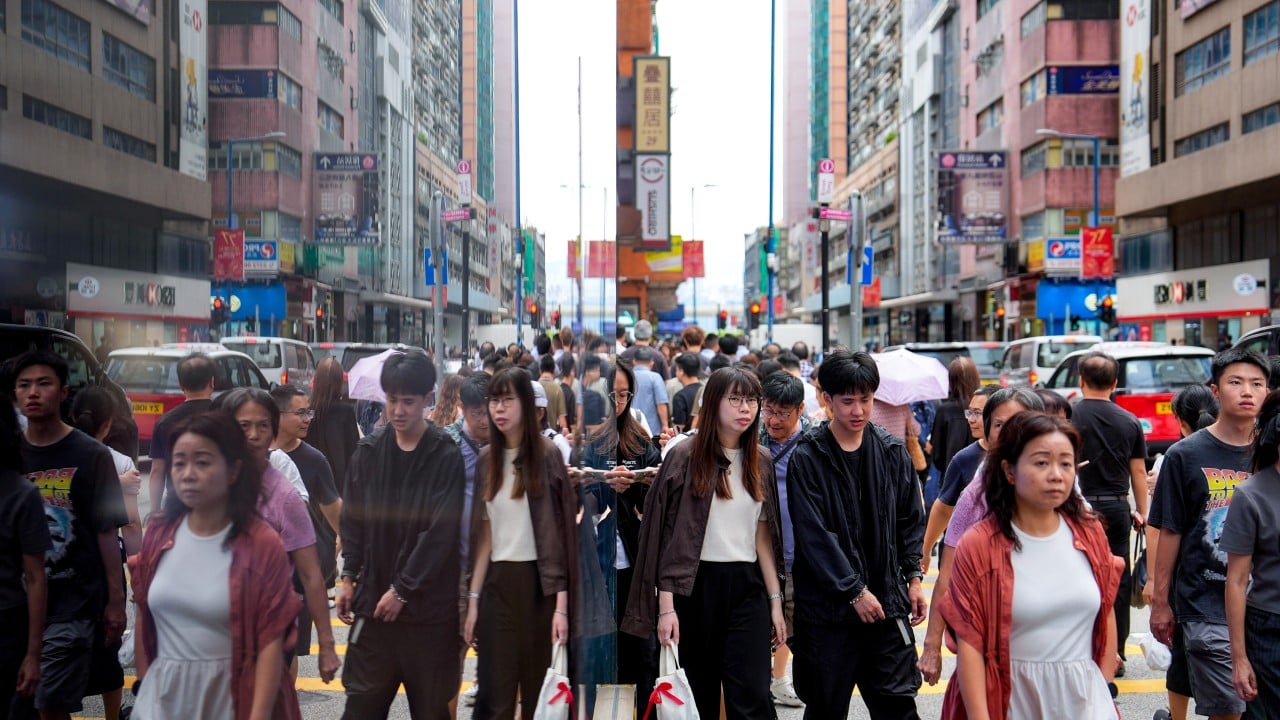
Hong Kong’s Generation Y residents – those aged 30 to 45 – are the city’s unhappiest age group, largely because of dissatisfaction with economic and housing conditions, a poll has found.
A survey of 1,039 adults by HK.WeCare, a platform set up under the non-profit organisation Wofoo Social Enterprises, put the Hong Kong Happiness Index at 5.87 out of 10. The score remained below the passing level for a fourth consecutive year, despite an overall upwards trend since 2024.
More than 40 per cent of residents reported moderate to severe depressive symptoms. Respondents also reported only moderate levels of community belonging and trust, scoring 3.13 and 2.81, respectively, out of five. Both factors were found to be directly linked to happiness.
At a briefing on Tuesday, lawmaker Andrew Lam Siu-lo said problems could arise when people became disconnected from their families, communities or society at large without adequate support.
“In our interpretation of the Happiness Index, this manifests as being relatively unhappy,” Lam said. “It is also our hope that everyone can use this index as a tool to think together about how, ultimately, we can rebuild a happy city.”
He added that it was important to monitor whether isolation among individuals would worsen as artificial intelligence and social media exerted a growing influence on society.
The index fell to 5.87 from 5.95 last year but was higher than the 5.63 recorded in 2024, its lowest level since 2018.
Hong Kong residents generally reported satisfactory levels of happiness between 2018 and 2022, with scores above six out of 10.
The latest survey, conducted this summer among baby boomers and members of Generations X, Y and Z, found that Generation Y respondents had the lowest scores for happiness, health and family relationships.
They also reported the lowest satisfaction scores of any age group in areas such as governance, political and social conditions, and the media, while baby boomers expressed greater satisfaction in these areas.
Generation Y participants accounted for almost half of all respondents. Among them, unmarried respondents reported average happiness and life-satisfaction scores of 5.18 and 5.13 out of 10 respectively. Their married peers with children reported higher average scores of 6.01 and 5.94.
Nearly 30 per cent of them described their economic situation as “poor”, while housing-satisfaction scores among Generation Y respondents were below six out of 10. Unmarried respondents recorded an average score of 4.44.
Sylvia Chan May-kuen, HK.WeCare’s co-chairwoman, said the dissatisfaction might be linked to interpersonal relationships.
“That is why we emphasise that the family is a very important place and a major source of happiness,” she said. “When relationships between people face problems in a space that isn’t very spacious, it creates a lot of friction.”
Generation Z respondents, meanwhile, reported more frequent conflicts among family members than other age groups.
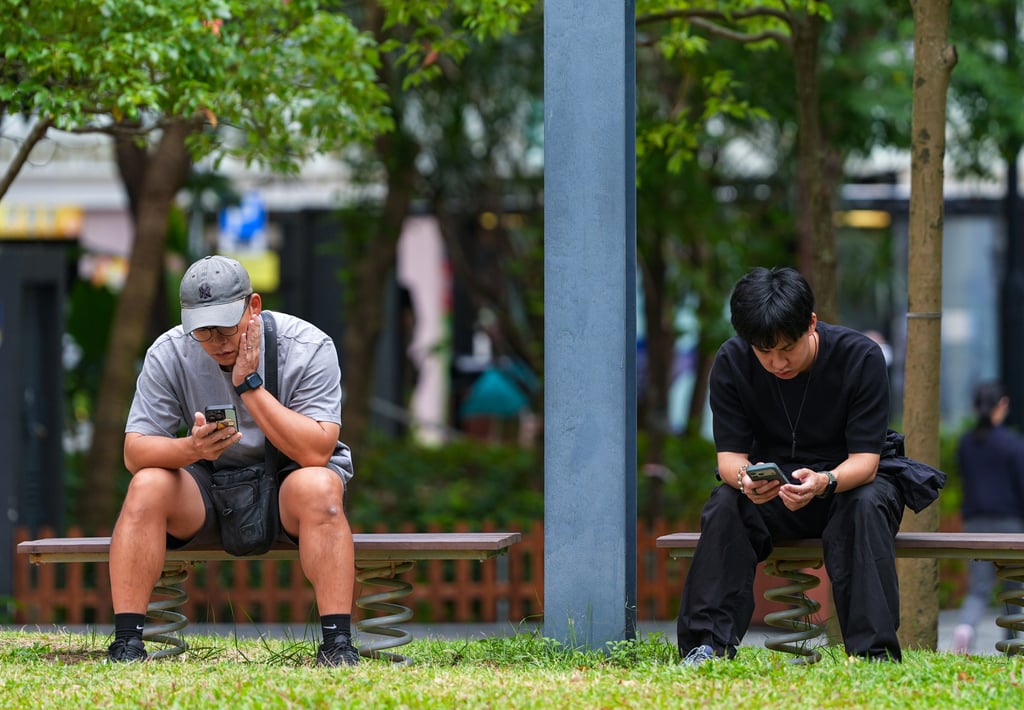
Chan urged residents to spend less time on screens, strengthen face-to-face connections and get adequate rest to maintain a healthy, balanced lifestyle.
The government should also encourage businesses to adopt family-friendly measures that better support employees and their families, said Tik Chi-yuen, another co-chairman of the platform.
Generation Z respondents, who spent substantial time on screens, were the most affected, the study found.
KioskNews shows a cleaned-up reading view extracted from the publisher’s page — the original always lives on their site, not ours.