Why China is investing heavily in African push to bring mineral processing home
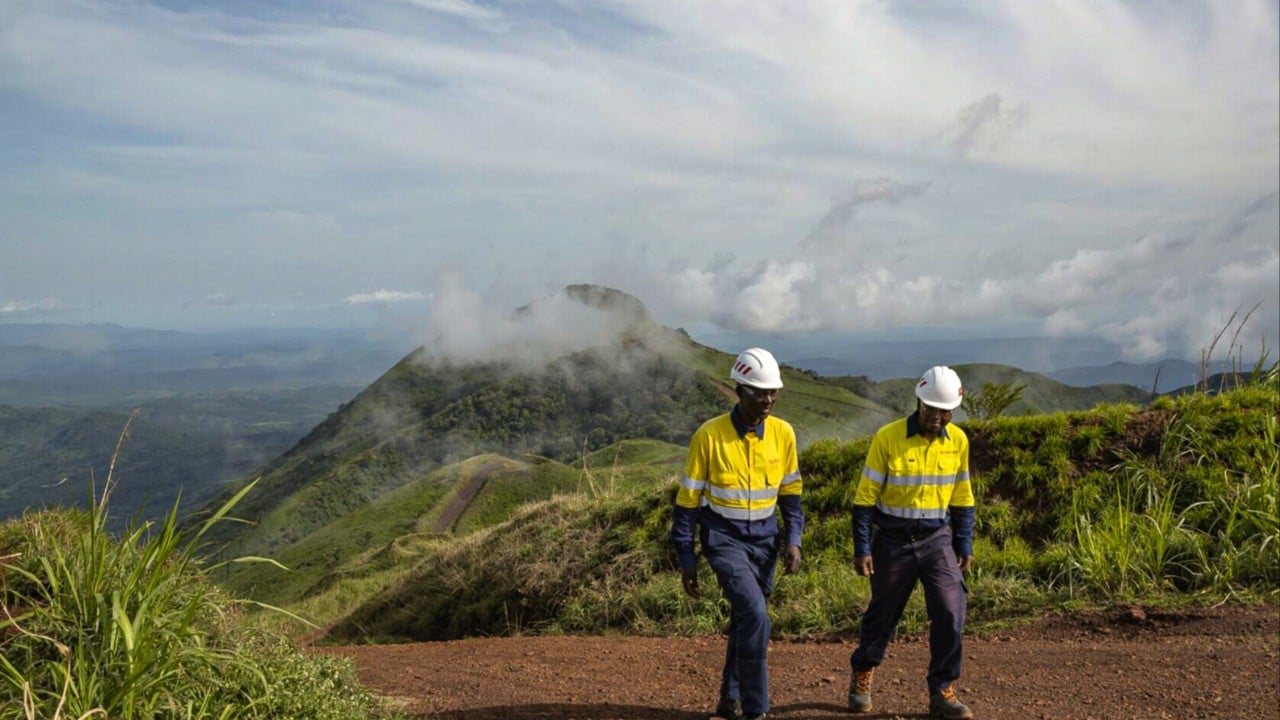
Chinese investors have backed mineral processing and manufacturing projects worth more than US$16 billion across Africa, a new report has concluded, amid an increasing push by countries to secure a greater share of the earnings from their natural resources.
The continent is a major international supplier of key minerals such as copper, cobalt and iron ore, and countries such as the Democratic Republic of Congo, Guinea and Zimbabwe have previously introduced mineral export bans or restrictions to encourage domestic processing, according to the report by Beijing-based consultancy Development Reimagined.
The study looked at China’s commitments under an action plan agreed following the China-Africa Cooperation summit in 2024 and found a total of US$41.2 billion had been invested in 32 mining, exploration and development projects in 15 countries up to June this year.
Some 19 of these projects involved “mineral value addition, meaning processing, refining or manufacturing in Africa rather than extraction alone”, with a total investment of US$16.3 billion.
“Most projects therefore involve value addition, which shows that African governments are generally pursuing it, and the lower share by value reflects a small number of very large deals in which commitments to process minerals in Africa are limited or still to be confirmed,” the report said.
These projects accounted for about 40 per cent of the total value tracked and included the US$23 billion Simandou iron ore development in Guinea, the world’s largest of its kind.
Washington is also seeking greater access to critical minerals in Africa, including a deal signed in December last year that secured preferential access to designated mining assets in the DR Congo for American companies.
US-linked bidders are also competing for the rights to develop Kenya’s Mrima Hill, which is rich in rare earths and niobium.
John Calabrese, a non-resident senior fellow at the Washington-based Middle East Institute, said Beijing was pursuing commercial interests and strategic influence while presenting itself as a partner in Africa’s industrialisation.
He said more cooperation on higher-value production would strengthen China’s existing position while opening up new opportunities for its manufacturing and infrastructure firms.
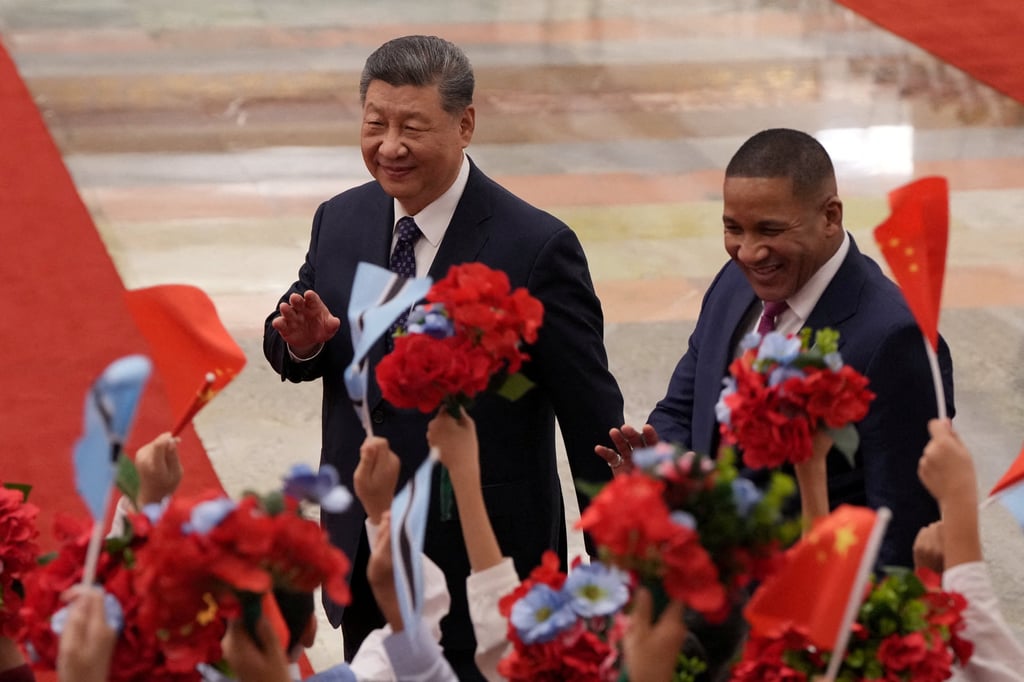
Last month, in a meeting with Botswana’s President Duma Boko, Xi offered to support mining development, financing and technology transfer to help African countries retain more value from their resources.
“Africa’s resources belong to Africa,” Xi said, warning that they should not be used for “geopolitical rivalry”.
Calabrese interpreted the remarks as a warning to Washington and its partners against using Africa’s mineral wealth in their strategic competition with China.
But he added that Beijing had itself spent decades building a dominant position in mineral supply chains and “its interests are hardly separate from geopolitics”.
At a recent meeting with his counterpart from Congo-Brazzaville, Constant-Serge Bounda, Chinese Foreign Minister Wang Yi said the implementation of the 2024 summit outcomes had “approached 100 per cent”.
Calabrese said competing investor interest could help African governments attract investment and technology on better terms, but stronger bargaining power would not necessarily deliver those benefits.
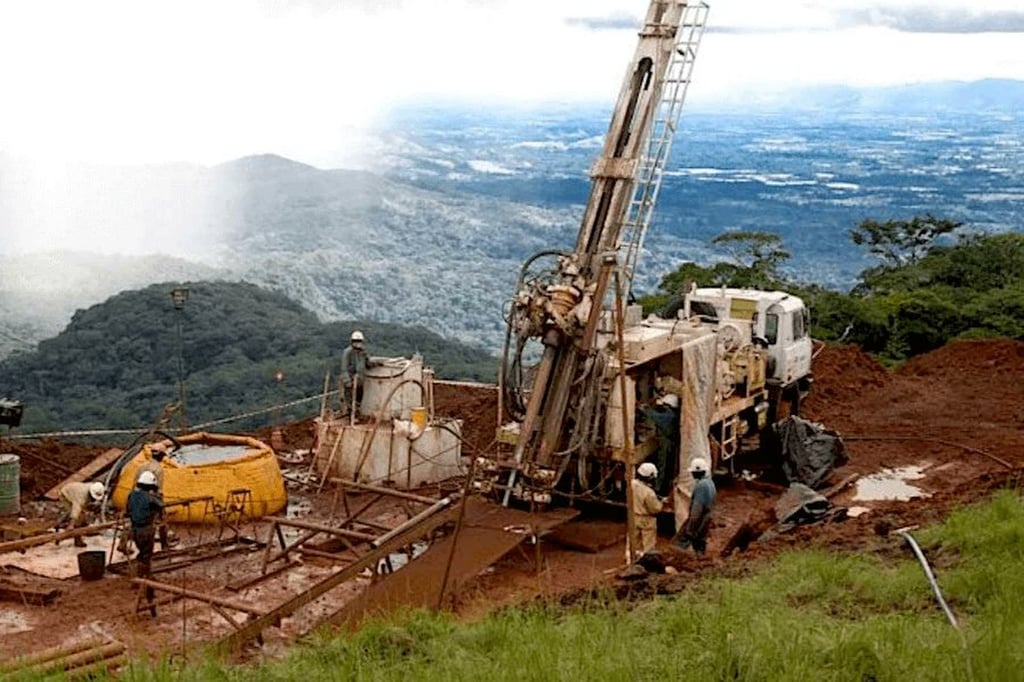
“Mineral access, financing arrangements and offtake agreements might constrain countries’ freedom to determine where their resources go and where the resulting value is captured,” he said.
He warned that governments could miss out without enforceable commitments on local processing, skills and technology transfer.
The report also urged Western and other international partners to support local processing rather than view mineral investment solely as a geopolitical contest with China, and called on non-Chinese mine owners to invest in domestic refining.
KioskNews shows a cleaned-up reading view extracted from the publisher’s page — the original always lives on their site, not ours.