Northern Mindanao fish farmers told to prevent El Niño fish kills
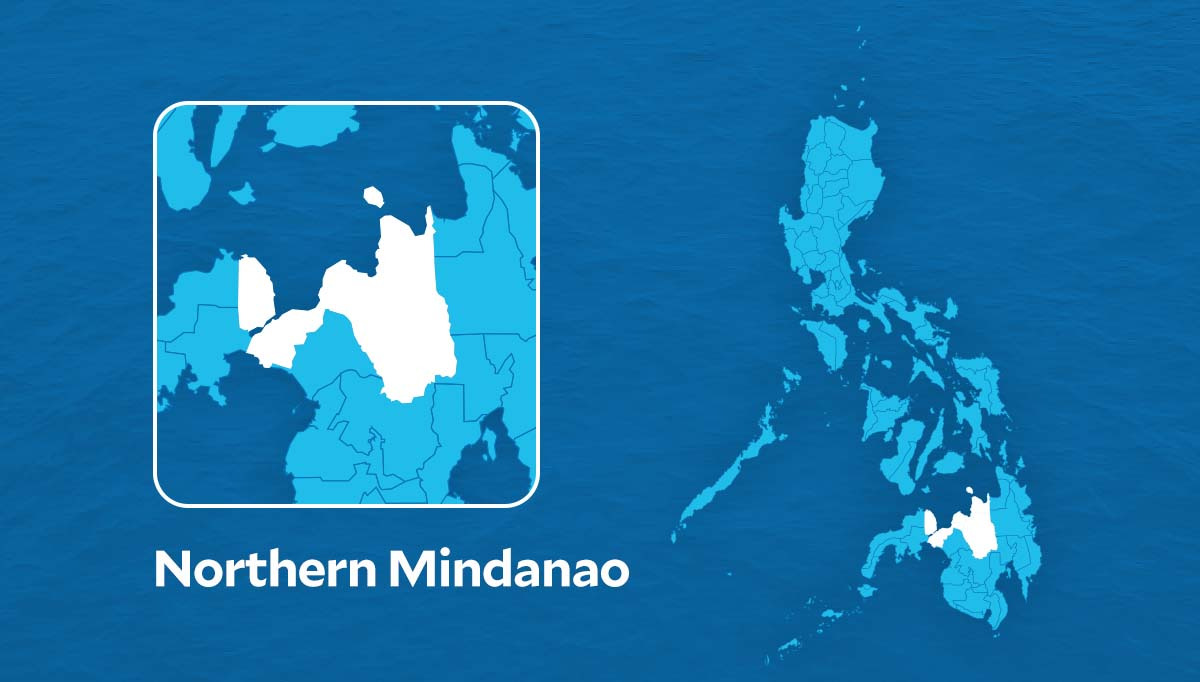
CAGAYAN DE ORO CITY — With “super” El Niño threatening local aquaculture, the Bureau of Fisheries and Aquatic Resources-Region 10 (BFAR-10) urged aquaculture farmers to implement early interventions to prevent massive losses.
“Don’t wait for fish kills before acting,” BFAR-10 warned in its advisory on Wednesday. “When water heats up and decreases, farmed fish are affected.”
The advisory highlighted that El Niño brings hotter weather, reduced rainfall, and water shortages, which alter critical factors like temperature, salinity, and water quality essential for fish health and growth.
Article continues after this advertisement
READ: Dy: House boosts farm, fisheries funding in 2027 budget for El Niño
FEATURED STORIES
NEWSINFO
NEWSINFO
NEWSINFO
“When water is too hot, fish can get stressed and consume oxygen faster,” the advisory stated. To prevent devastating losses, BFAR-10 instructed farmers to monitor their ponds and cages daily for warning signs, including rapid changes in water temperature; low dissolved oxygen, especially at dawn; fish gasping for air at the water’s surface; and a sudden loss of appetite.
Farmers were also advised to monitor brackish ponds for changes in water salinity; changes in water color, smell, or clarity; and sickness or sudden species deaths.
The agency said that early monitoring means early action.
To mitigate risks, farmers should avoid overstocking and overfeeding, adjust feed to the fish’s appetite, aerate when oxygen drops, and add or change water if the source is safe and clean.
Article continues after this advertisement
However, the agency noted that mitigation strategies should be tailored to specific farms.
“Different cultured fish have different tolerances. Do not use a one-size-fits-all approach,” the advisory read. The appropriate interventions depend on the species, culture system, stocking density, water source, and actual conditions.
Article continues after this advertisement
Farmers are encouraged to contact their nearest BFAR regional office, Provincial Fisheries Office, or local fisheries technicians for technical guidance on water-quality monitoring, disease concerns, and targeted El Niño preparedness./coa
KioskNews shows a cleaned-up reading view extracted from the publisher’s page — the original always lives on their site, not ours.