North Korea digs in for US stand-off as Democratic midterm wins dim summit hopes
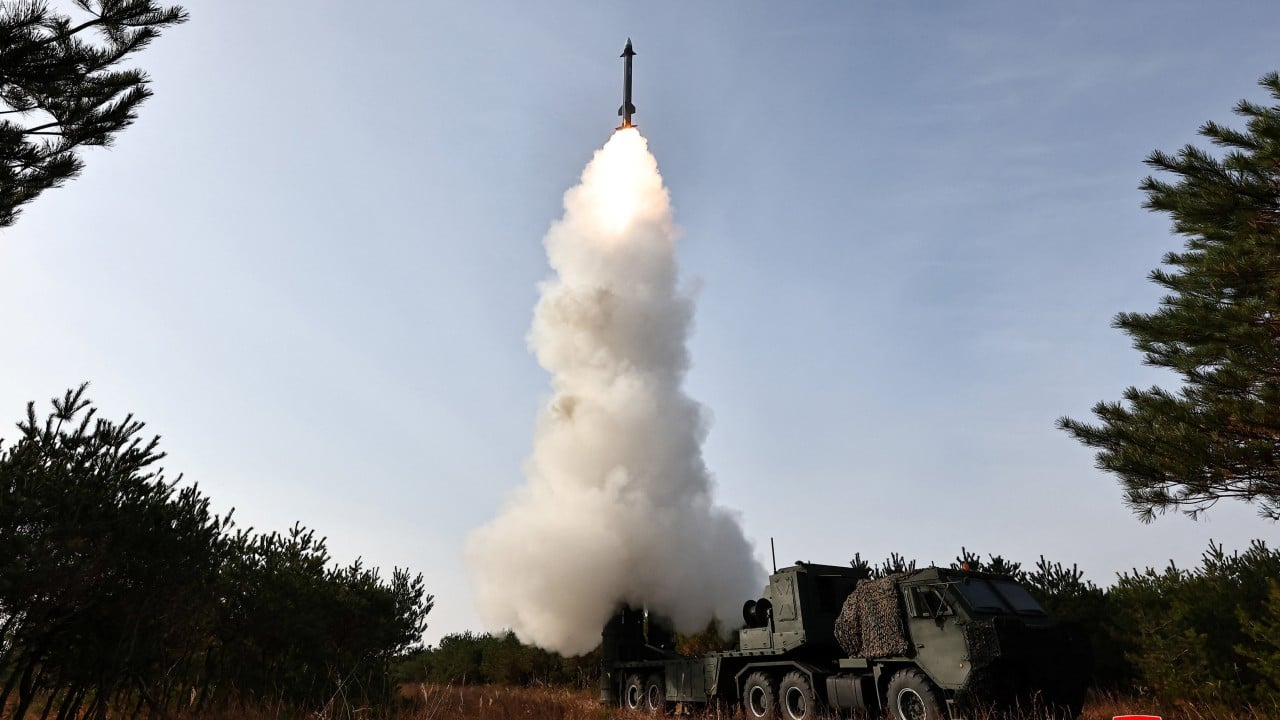
North Korea is bracing for a prolonged confrontation with the United States, analysts say, after sweeping Democratic gains in the US midterm elections diminished the likelihood of renewed diplomacy between Kim Jong-un and President Donald Trump.
As Americans cast their ballots on Tuesday, Pyongyang test-fired a new surface-to-air missile system and carried out a strike drill with long-range strategic cruise missiles early on Wednesday, Korean time – its fourth weapons test in a week.
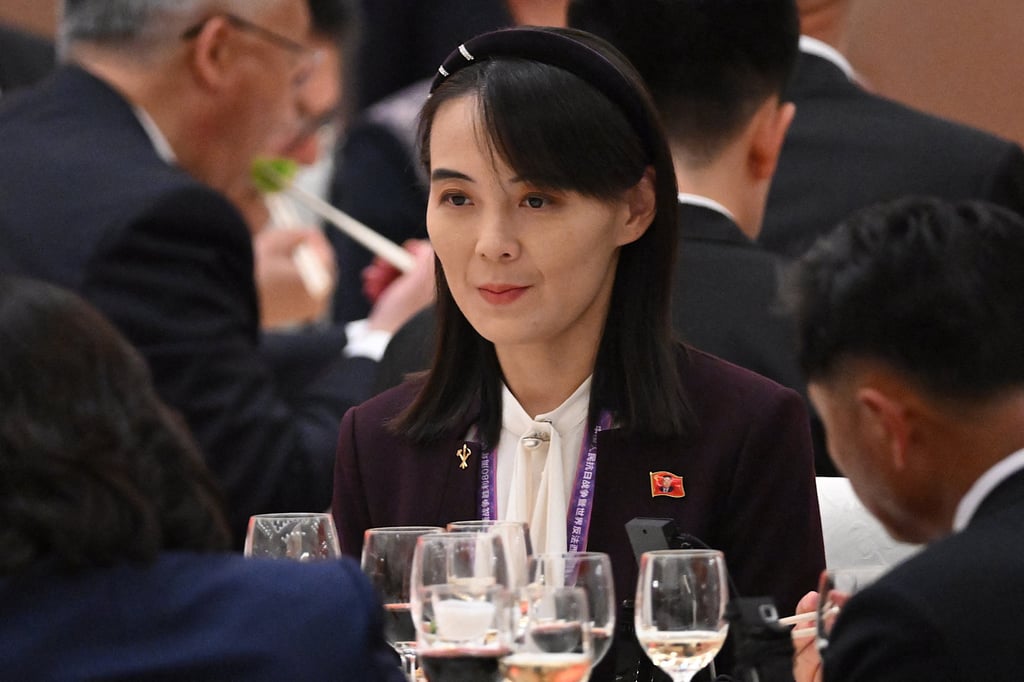
The launches came hours after Kim Yo-jong, the sister of North Korean leader Kim Jong-un, blasted Washington on Tuesday for linking Pyongyang to a US$6.3 billion cryptocurrency theft from Binance, calling the FBI’s findings a “grave political provocation”.
She warned that Pyongyang had matters to “reconsider” in response to US hostility, but stopped short of threatening retaliation, leaving the door open to dialogue.
On Wednesday, she said: “The choice for peace includes dialogue, of course, but this is not surely equated with national interests for us.”
Oh Gyeong-seob, a senior researcher at the Korea Institute for National Unification, said the Democrats’ victory was unwelcome news for Pyongyang, which endured strict sanctions under the previous Biden administration.
The Biden administration insisted that dialogue could not take place without a commitment to denuclearisation, and demanded that any summit be preceded by working-level talks to resolve differences – a stark contrast to the top-down diplomacy favoured by Trump, Oh said.
“The North is deeply wary of the [Binance] heist sparking further US and international sanctions, and this concern adds to the reasons for Pyongyang to seek dialogue. Kim Yo-jong’s statement reflects this concern,” Oh said.
However, Oh added there was little chance that the Trump administration and Pyongyang could reach a compromise acceptable to a Democrat-led Congress.
“Pyongyang knows this fact, and it is bracing itself for prolonged confrontation as well,” he said.
Leif-Eric Easley, a professor of international studies at Ewha Womans University, said that while the midterm results dealt Trump a major blow, he was unlikely to moderate his style or policy positions.
“Instead, domestic constraints could encourage him to pursue dramatic and controversial diplomatic initiatives,” Easley said, adding that Trump might seek deals with Chinese President Xi Jinping, Russian President Vladimir Putin or Kim Jong-un, while stepping up pressure on allies to shoulder defence costs and offer economic concessions.
A Democratic-controlled Congress, however, would likely investigate Trump’s decisions, scrutinise agreements and resist sanctions relief for Russia or North Korea, he said.
“So Washington might see more assertive presidential diplomacy but less certainty about implementation,” Easley said.
South Korea supported renewed Trump-Kim diplomacy, but a summit that shelved denuclearisation would weaken deterrence and spark policy friction among Washington, Seoul and Tokyo, he added.
“North Korea’s numerous weapons tests, record crypto heists, aggressive rhetoric against Seoul and sanctions-violating cooperation with Moscow seriously complicate engagement,” Easley said.
Lim Eul-chul, a professor at Kyungnam University’s Institute for Far Eastern Studies, said the election results had dampened expectations for the top-down, transactional diplomacy preferred by Kim.
With Democrats taking control of Congress, any effort by Trump to alter political dynamics through a North Korea-US summit would face stiff resistance from congressional control over spending, investigative powers and sanctions legislation, Lim said.
“From Pyongyang’s perspective, even an agreement reached with Trump could be at risk of collapsing at any time. North Korea would therefore seek to avoid a repeat of the 2019 Hanoi summit’s failure,” he said, referring to the collapse of talks after the two sides failed to agree on sanctions relief in exchange for nuclear dismantlement.
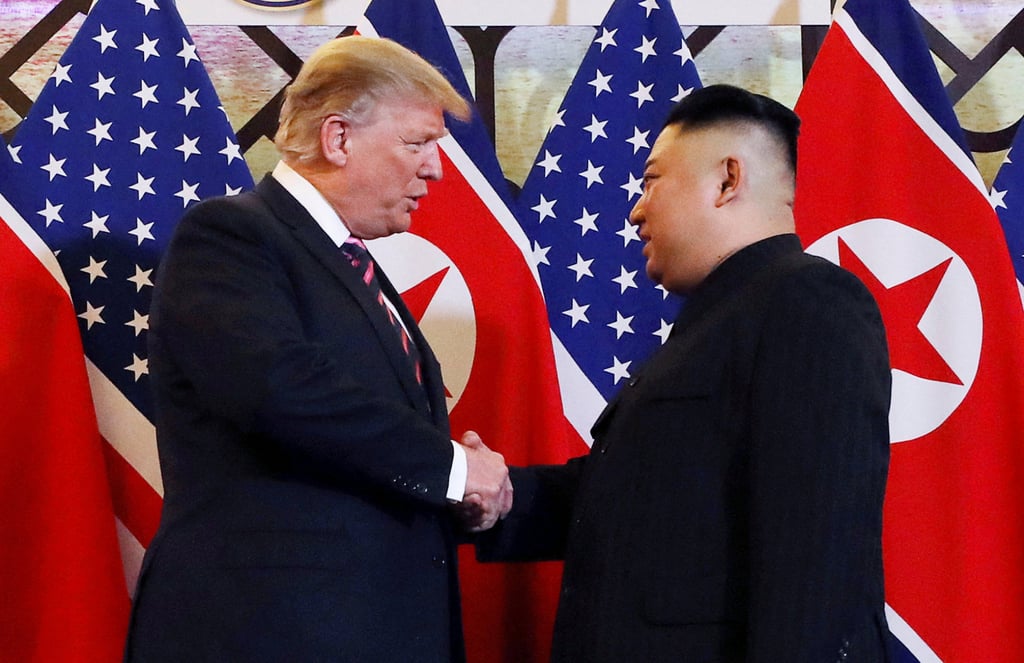
North Korea had a deep-seated conviction that “the essence of the US hostile policy towards North Korea will never change”, Lim said. Given this distrust, Pyongyang saw little incentive to engage in dialogue with Washington, risking the uncertain implementation of an agreement for limited tangible benefits, he added.
“North Korea is likely to further consolidate a survival structure capable of neutralising US sanctions pressure through comprehensive military and economic cooperation with China and Russia,” Lim said.
Such ties would allow Pyongyang to pursue its defence and economic development plans with less concern for Washington’s reaction while preparing for “a prolonged strategic confrontation”, he added.
“The current political situation is likely to reinforce North Korea’s conviction that developing its independent nuclear capabilities, regardless of changes in the US administration or the ruling party, was the correct and strategically superior choice.”
“The development, test-firing and training of new weapons systems are expected to become increasingly routine and regularised,” Lim said.
Against this backdrop, North Korea’s Wednesday tests paired technical verification of a new air-defence missile system with simulated target strikes by long-range strategic cruise missiles.
Lim said the simultaneous deployment of defensive and offensive systems in a single day was intended to show improved electronic warfare capabilities and technologies for evading low- and high-altitude air-defence networks.
Yang Moo-jin, a professor at the University of North Korean Studies, said it was rare for North Korea to launch defensive surface-to-air missiles together with offensive cruise missiles.
“The near-simultaneous timing of the missile launches and Kim Yo-jong’s statement is also unusual, suggesting that the actions were planned in advance to coincide with the US midterm elections,” Yang said, adding that the launches were intended to draw attention to North Korea and underscore its strategic significance.
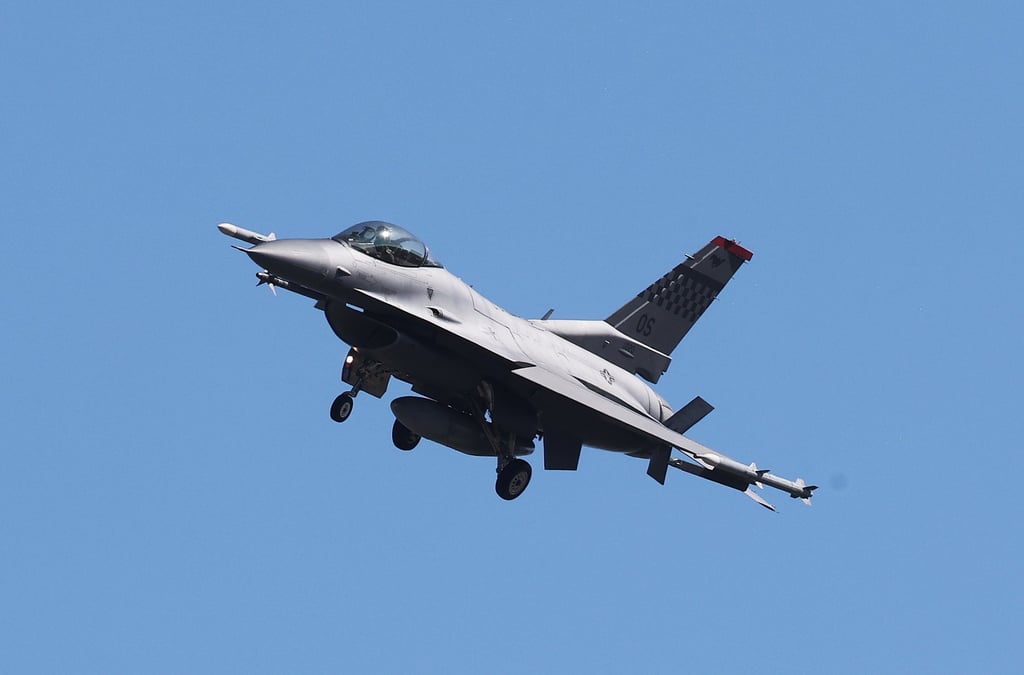
The tests also served as a retaliatory show of force against Freedom Flag, a two-week joint South Korea-US air drill that will last until Friday, Yang said.
By pairing weapons demonstrations with Kim Yo-jong’s statement, Pyongyang was signalling that its words were backed by action and that it would match any perceived US hostility with corresponding measures, he said.
“Pyongyang is conveying that dialogue and confrontation, peace and military exercises and improving relations and disrespect for its sovereignty cannot coexist,” Yang said.
“However, North Korea is also signalling that dialogue, peace and improved relations remain possible if the Trump administration respects the North Korean regime and abandons what Pyongyang regards as hostile policies towards the country, including joint US-South Korean military exercises.”
KioskNews shows a cleaned-up reading view extracted from the publisher’s page — the original always lives on their site, not ours.