How to split travel costs with friends – without ruining the trip
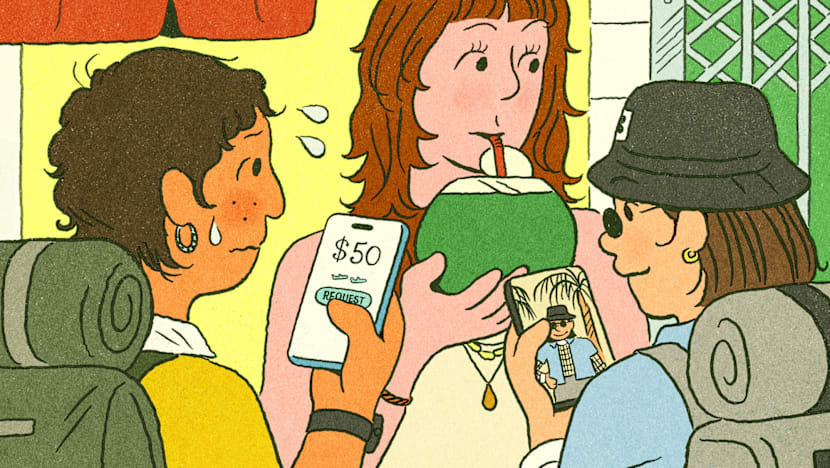
In February 2024, Stasia Maltseva went on a trip through Thailand and Cambodia with a group of six friends, everyone paying in cash and with no system to record expenses.
The cost of street food, souvenirs, group massages and tuk-tuk rides disappeared into an untraceable pit of paper money. They assumed they’d figure out the IOUs when the two-week trip ended. But when it came time to even out the books, “no one had the slightest idea” how much each person had spent, said Maltseva, a 36-year-old content manager from Amsterdam.
A huge argument unfolded, she said. One friend was under the impression he was owed well over US$200 (S$256), but with no receipts and differing recollections, the friend went unpaid.
“It was a battle,” Maltseva said. “We joke about it now.”
Not all friendships are as forgiving. From bachelorette trips to family vacations and bucket-list trips with friends, group travel can easily give rise to contentious situations, especially over finances.
In a 2026 survey of 2,001 US adults, commissioned by PayPal, 46 per cent said money disagreements created tension or “ruined the vibe” on a trip. Another survey from Zelle, the payments platform, of 1,000 US adults, found that consumers often aren’t fully repaid for group expenses. This can cause friendship-altering drama, with about a fifth of millennials saying they ended a relationship because of repayment disputes, according to the Zelle survey.
Here’s what experts say about why friends get themselves into these uncomfortable situations, and how to de-escalate the drama before it turns into a full-fledged fight.
WHY FRIENDS AVOID THE ‘MONEY TALK’
The most common mistake? Not having a candid conversation about spending limits and repayment plans before they start filling out their itinerary, multiple finance and friendship experts said.
“It starts people off on the back foot because it forces them to have a vulnerable moment about not being able to afford something,” said Aja Evans, a New York financial therapist and licensed mental health counsellor.
Danielle Bayard Jackson, a friendship coach and the author of Fighting for Our Friendships, said clients have frequently booked sessions with her specifically about navigating the “complexities of the group trip.”
Close friends often skip the detailed planning process, Jackson said, because of what she called a “relationship-killing myth”: Friends feel they shouldn’t have to explain what they find fun, because they fear that would be evidence that they’re not as close as they thought.
That fear of misperception intensifies when it comes to money. If someone makes more or less than their friends, they don’t want to be viewed differently because of it, Jackson said. That can introduce friction into a friend group.
“We’re not as honest and direct as we ought to be before we get into these situations,” she said.
STARTING THE CONVERSATION

For the trip to make it out of the group chat as smoothly as possible, experts suggest finding consensus about total costs, who’s willing to pay what and the repayment process.
For those struggling to start, Jackson said to think about the one reason you want to avoid the discussion. Then, use that as the opening sentence and tie it to a goal for the conversation.
One example? Jackson said: “Hey, I don’t want to make things awkward, but I feel like we should have a conversation about money, to avoid any misunderstandings or disappointment.”
For those with a strict budget, it might help to tell the other travellers about the other financial goals or responsibilities you have, Evans said.
“That will help them understand that you’re not trying to be difficult, but you have other things going on that require you to handle your finances in a particular way,” Evans added.
UNDERSTANDING YOUR TRAVEL PARTNERS

On a trip to Japan with three friends last November, Malvina Abbott described a balancing act between one friend with a limited budget and a wealthier friend who required five-star hotels with precise square footage.
It took two months to compromise on the hotel, and they didn’t have a clear plan for how to handle uneven spending habits before the nine-day trip started, said Abbott, an 83-year-old retired public defender from San Diego. The wealthier friend ended up spending a lot of time on her own.
“Our failure to talk about money issues made for some uncomfortable situations,” Abbott said.
When planning a group trip, Jackson said she thinks about advice in The Art of Gathering by Priya Parker: Start by asking, what’s the point?
“That helps inform where you should go, how much you should spend and, most importantly, who should come,” Jackson said.
Once the invite list is set, it can be helpful to suss out each person’s spending habits during planning. For example, Jackson said she has a friend who enjoys footing a group bill at a restaurant and gets genuinely insulted when others try to pay their portion.
If you know someone isn’t as reliable at repaying what others fronted, ask yourself if you’re willing to potentially lose that money, said Dr Traci Williams, a clinical psychologist and certified financial therapist. For some people, the loss is worth it for their friend to join the trip.
Frugal travellers should set a financial limit for when to opt out, experts said. If the total others are willing to spend on the trip is going to ruin the experience for you, don’t go, Evans said. It’s better to deal with the fear of missing out than to get upset with yourself or others over how much you’re spending, she added.
IF SOMEONE DOESN’T PAY
The trip has ended and the Venmo requests have been sent. An uncomfortable amount of time has passed. Perhaps you’ve even sent a gentle reminder. And yet some people still haven’t paid up. How do you confront them without triggering a fight?
Dr Williams recommends starting with something positive, so that the friend is less likely to feel defensive. That can be as simple as saying, “I really enjoyed our time together.”
From there, let them know why it’s important for you to be repaid. That could be a bill that’s coming due or upcoming plans you need to save for. Rather than a slap on the wrist, this gives your friend an opportunity to help you out, Dr Williams said.
Resist the temptation to just let it go, Jackson warned. While it might seem like the easiest option, it could cause resentment.
“Too often people stay silent and make the assumption that this person intentionally has not paid back yet,” MJackson said. “Then we start to conflate that action or inaction with their character.”
A FEW USEFUL TOOLS
There are plenty of tools and apps to help travellers make sense of group spending. Reader-recommended apps include Tab, Splitwise, TravelSpend, Splid, Tricount and KittySplit. Some travellers told The New York Times that they use a couple in tandem.
Lauren Downey, a project manager from Hoboken, NJ, recently embarked on an 11-person group trip to Italy. She said she used an app called Tab to take pictures of restaurant receipts and track each person’s spending. She then added those “tabbed” meals to Splitwise, which can be used to equally split payments after users log expenses.
“Some people think it’s petty to settle a bill this way, but ultimately it causes a lot less stress,” Downey, 30, said. “We can’t all afford the same lifestyles, but that doesn’t mean we can’t hang out.”
KioskNews shows a cleaned-up reading view extracted from the publisher’s page — the original always lives on their site, not ours.