In Japan, Takaichi’s first-year leadership style threatens hold on power
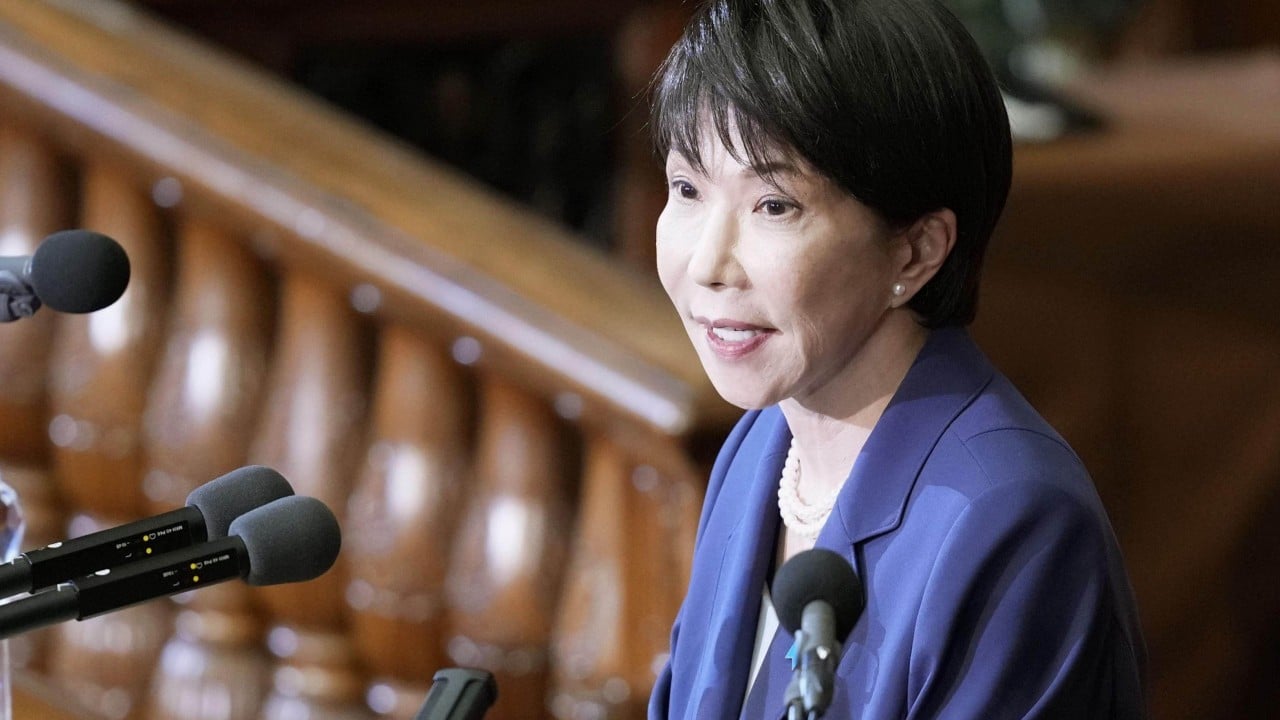
With her government entering its second year on Wednesday, Japanese Prime Minister Sanae Takaichi may face growing questions over whether her leadership style, oft-described as assertive, could fuel discontent within her Liberal Democratic Party (LDP).
Bolstered by high public approval ratings and an overwhelming majority in the House of Representatives, Takaichi has pushed through divisive legislation and made personnel appointments heavily tinged with her will.
Political analysts warn that Takaichi’s confrontational governing approach – driven by popularity among voters, not necessarily by a solid factional power base – could prompt a backlash from within and potentially threaten her administration’s stability should public support weaken further.
“It was a year in which the deliberative process of parliamentary democracy was significantly hollowed out,” said Ikuo Gonoi, a political science professor at Takachiho University.
After becoming Japan’s first female prime minister on October 21, 2025, Takaichi, seen as a security hawk and fiscal dove, led the coalition of the LDP and its junior ally, the Japan Innovation Party, to a landslide victory in February’s lower house election.
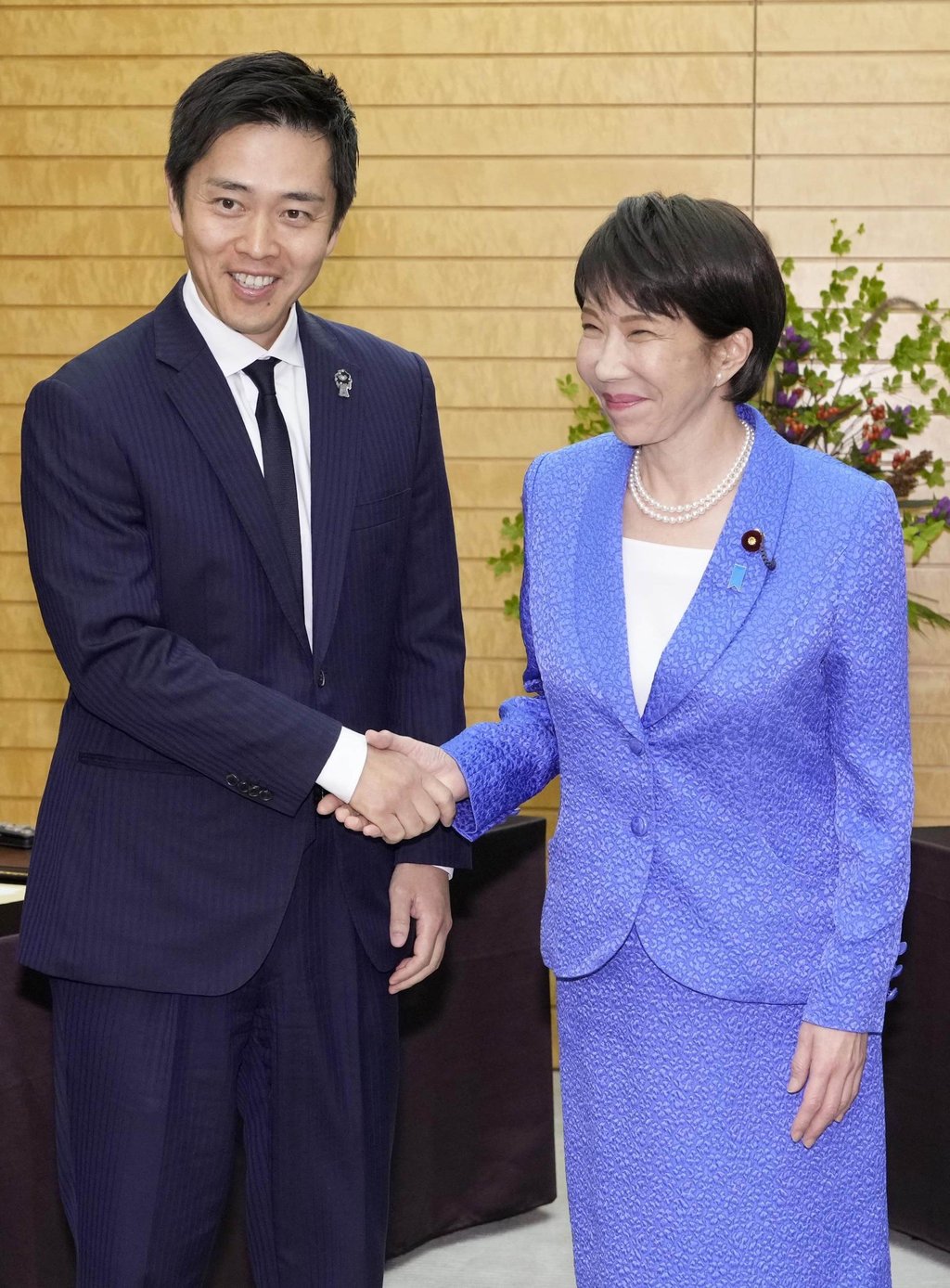
The bloc secured about 350 of the chamber’s 465 seats, comfortably exceeding the two-thirds majority needed to override the rejection of a bill by the Senate, the less powerful upper house where the ruling camp falls just short of control.
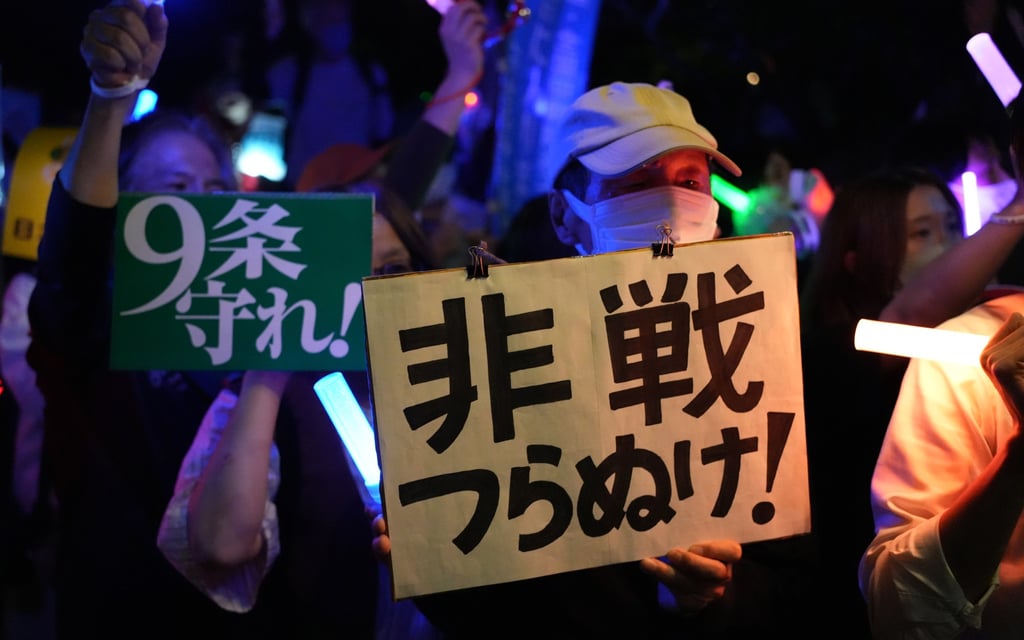
Armed with that parliamentary strength, Takaichi has advanced a series of controversial initiatives, which she says could “split public opinion”, despite doubts cast by opposition parties about their necessity and implications for civil liberties. Among them were legislation to establish the National Intelligence Council and to penalise desecration of Japan’s national flag.
Also citing the limited time Takaichi spent answering questions in the Diet, Gonoi said the prime minister had failed to adequately explain the bills and had instead “increasingly dismissed opposing views”.
Signs of discontent within the LDP became visible over the government’s plan for a two-year consumption tax reduction on food and beverages from 8 per cent to 1 per cent from April as well as September’s reshuffle of the party leadership and cabinet. In August, Yuko Obuchi, known for emphasising fiscal discipline, resigned as a senior member of an intraparty tax panel, apparently in protest at the tax cut.
Growing tension
In the party leadership reshuffle, the replacement of Junichi Ishii with Kazuhiko Aoki as LDP secretary general in the Senate drew attention as Ishii was seen as an influential figure in the party’s upper house caucus who maintained ties across party lines. Takaichi had reportedly grown frustrated with Ishii’s handling of Senate deliberations – especially after parliament failed to enact the initial budget for the 2026 financial year before its start on April 1.
Ishii’s removal prompted some criticism, with Senator Shoji Nishida openly complaining about the decision, calling Ishii a “central figure” behind the passage of government-sponsored bills during the previous Diet session.
Mikitaka Masuyama, a professor at the National Graduate Institute for Policy Studies, said the episode highlighted growing tension between Takaichi and parts of the party establishment.
Further questions about Takaichi’s government emerged with the resignation last week of Kazuo Yana as farm minister, after she defended him for about two weeks following media reports on his past remarks. Yana came under fire over remarks in May implying municipalities whose mayors backed his rival in the February election received less funds for their road budgets.
“Regardless of whether the remarks were true or not, it raises broader questions about whether local government leaders and assemblies feel compelled to align themselves with those in power” – and such concerns could be decisive in next April’s nationwide local elections, which come every four years, Masuyama said.
Support for the administration has begun to soften. A two-day phone survey conducted by Kyodo News from Saturday, after Yana’s resignation, showed the approval rating for Takaichi’s Cabinet at 49.1 per cent, down from 53.4 per cent a month ago.
It marked the first time her cabinet’s approval rate had dropped below 50 per cent. It had maintained relatively high ratings, at one point reaching almost 70 per cent.
Experts say Takaichi’s popularity with voters – her greatest political strength – may ultimately become her biggest vulnerability if public support continues to erode.
“A further decline of the cabinet approval ratings could lead the administration to face a tough time, and growing dissatisfaction within the ruling camp could energise anti-Takaichi forces,” Masuyama said.
He also said such opposition could emerge among liberal members and fiscal conservatives in the LDP, suggesting that former internal affairs and communications minister Yoshimasa Hayashi could rally them ahead of next fall’s LDP leadership race. Hayashi, viewed as a moderate, was defeated in the five-way LDP presidential contest a year ago and was left without a cabinet or party post in September’s reshuffle.
Meanwhile, LDP Vice-President Taro Aso, an influential former prime minister, and Secretary General Shunichi Suzuki, his brother-in-law whom it was rumoured could be replaced due to a reported lack of communication with Takaichi, remained in their positions.
Aso and his group have not broken with Takaichi, “presumably because her approval ratings remain high”, Masuyama said. “If the ratings fall, however, it may become impossible to stop anti-Takaichi forces from jumping on the bandwagon.”
KioskNews shows a cleaned-up reading view extracted from the publisher’s page — the original always lives on their site, not ours.