Chinese AI idol’s ‘pregnancy’ stunt sparks backlash, debate over digital boundaries
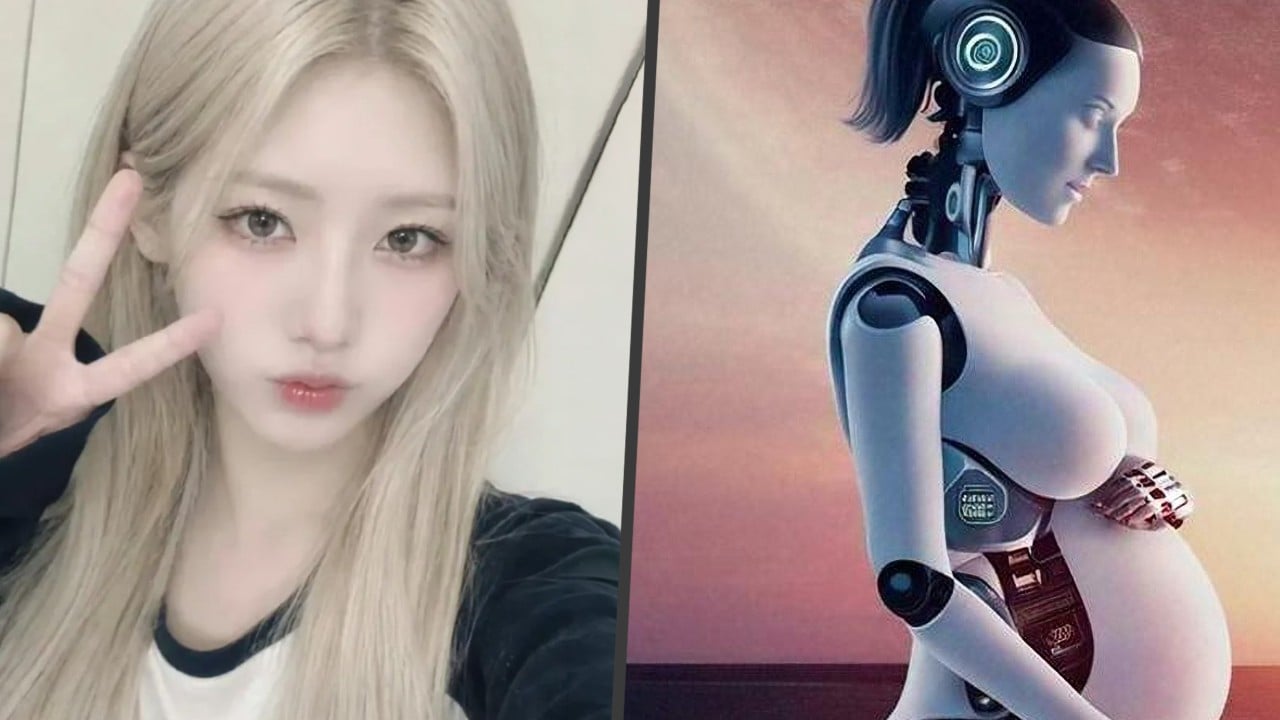
A Chinese AI girl group has sparked intense online backlash after announcing that one of its virtual members was “pregnant” to explain her departure.
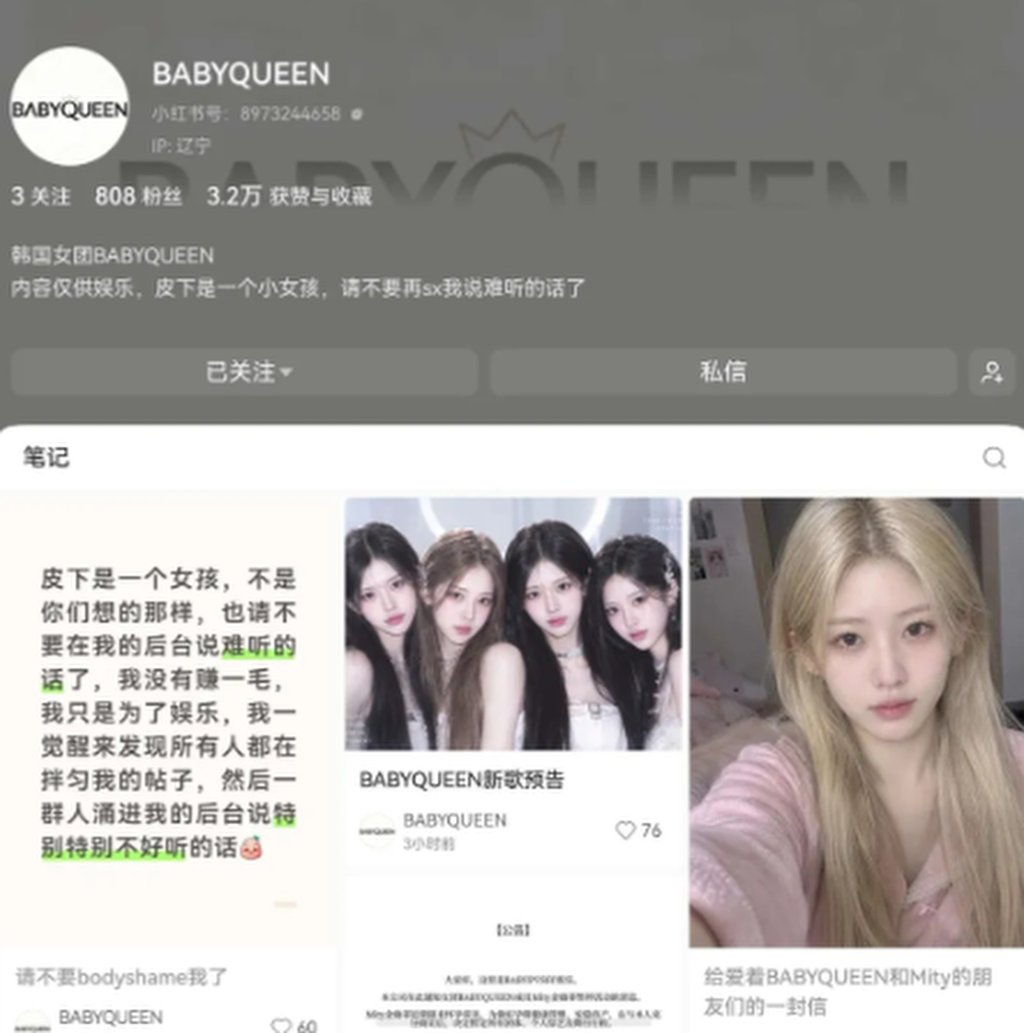
BABYQUEEN, a four-member, K-pop-style AI girl group managed in Liaoning province in northeastern China, formed in September and has around 1,100 followers.
On October 13, the group posted an announcement written from member Mity’s perspective. Saying she was “pregnant” and would pause all public activities, Mity asked fans to respect her privacy and her new life, without identifying the “father.”
The post went viral, attracting more than 78 million views on Weibo and igniting fierce debate over the boundaries of humanlike identities for digital personas.
Netizens swiftly expressed outrage and disbelief. “Real idols wouldn’t dare mention pregnancy, yet she chose it from among countless excuses,” one user commented.
Others questioned the logic: “Mity doesn’t have a physical body. If AI characters can get pregnant, should they claim maternity leave and childbearing subsidies?”
A third quipped: “The team simply ran out of money for tokens and came up with a lame excuse to cut computing costs.”
The group’s creators later admitted that managing several AI idols at once had become overwhelming, prompting them to scale back.
In an apology, they acknowledged that using pregnancy as an excuse for Mity’s departure was inappropriate and clarified that the entire narrative was fictional.
The creators also explained that BABYQUEEN was created by a few young female K-pop enthusiasts as a passion project for their own enjoyment, with no intention of making a profit.
However, the apology failed to quell public anger. Critics accused the creators of using women’s bodily experiences as a narrative device and public sentiment as clickbait.
“The moment it was posted, it commodified a sensitive topic that should not be exploited,” one observer noted.
Another asked: “When humans create fake online personas, it breaches regulations. Does AI get a free pass?”

Zhang Yong, a social work scholar from Hubei province in central China, told the SCMP that the incident highlights a structural issue with AI-generated content.
“AI lowers the barrier to content creation, making sustained, high-quality storytelling scarce while shifting the burden of fact-checking onto the public,” Zhang said, questioning whether the stunt exploited the emotional and moral weight associated with women’s reproductive experiences.
Other analysts pointed to a sharp disconnect in the AI era: “Despite securing vast development resources, AI seems to serve sensationalism and copyright controversies far more often than it delivers the high-value content the public actually expects.”
On October 14, a day after the pregnancy announcement, the group released a cover music video of South Korean girl group Aespa’s hit song Next Level, prompting further accusations that the controversy was a cheap publicity stunt to drive traffic to a “poorly executed release.”
A few voices, however, called for empathy, saying: “It’s just K-pop fans making content for fun. People don’t need to turn this into a major moral crusade.”
Controversies involving virtual influencers are mounting across China.
In July, AI actress Fang Taozi gained 400,000 followers through mini-dramas and reportedly charged more than 250,000 yuan (US$37,000) for a 60-second advertisement.
However, after reviewing contact lenses in a video and claiming they “felt comfortable after wearing them all day,” her account saw a wave of unfollows and was flagged by market regulators for deceptive advertising.
KioskNews shows a cleaned-up reading view extracted from the publisher’s page — the original always lives on their site, not ours.