Why Gran Torino Is Clint Eastwood's Greatest Acting Performance

Padraig is a Senior Features Writer and has been part of Screen Rant since 2017. Padraig is a writer, editor and retired Game of Thrones extra who has been writing about movies and TV online for over a decade. He has also written for The Irish Times, Den Of Geek, Little White Lies and many more. It's pronounced Paw-rick, BTW.
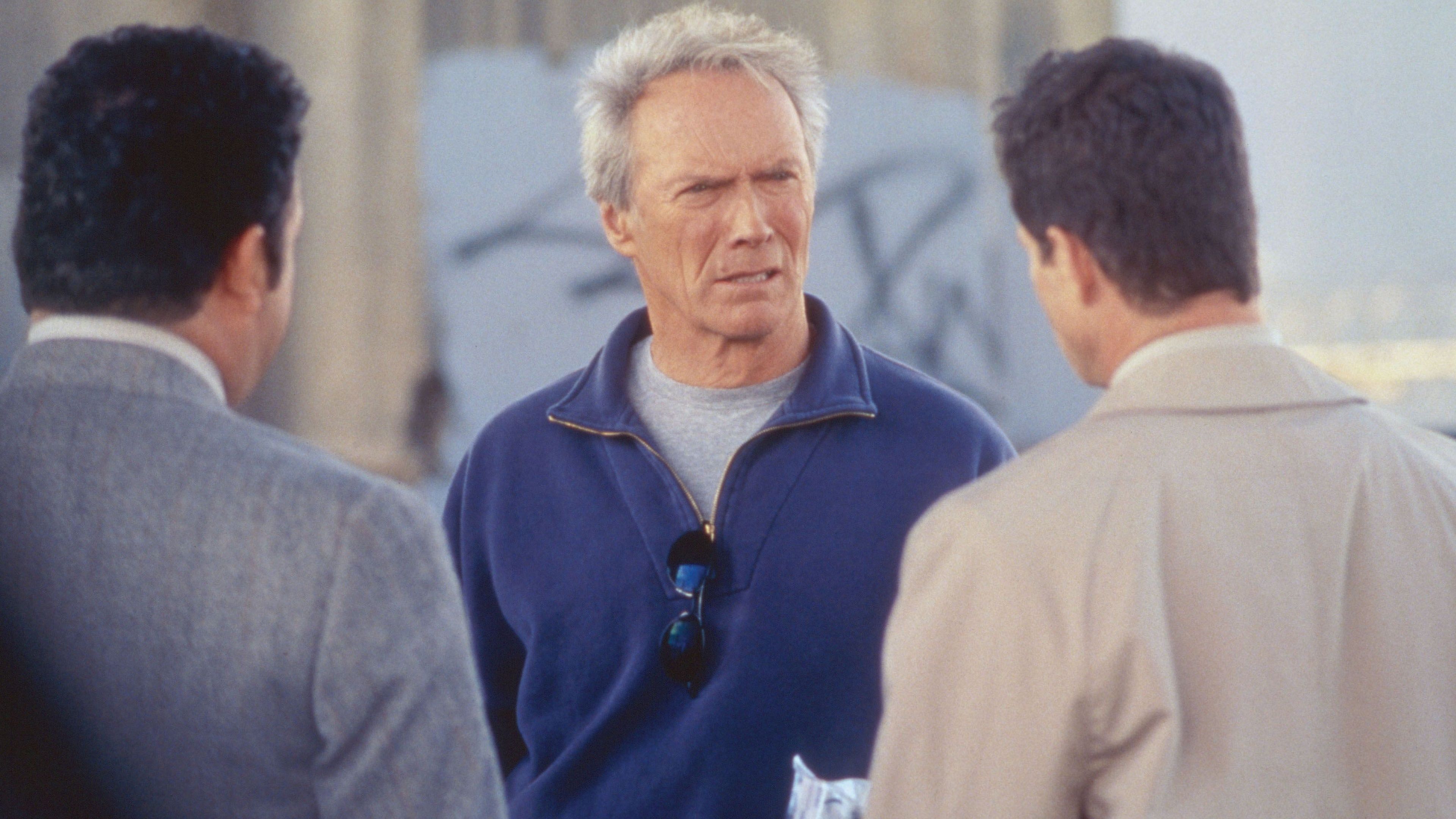
Long after he had put his time in the saddle far behind him, Clint Eastwood delivered his best performance in this moving drama. Clint Eastwood's Westerns put him on the map during the 1960s - right before the genre itself tanked and studios stopped producing them. When the 1970s began, Eastwood moved into thrillers like the Dirty Harry franchise instead and also became a director himself.
He didn't fully abandon the genre that made him a star, and Eastwood even rescued the Western during the 1980s with Pale Rider. Despite his many decades as both an actor and director, it took time for many critics to fully appreciate his talents. The fact that he so often played stoic characters who rarely spoke or showed their emotions led to accusations he just played the same role over and over again.
Except that was never really the case, and even the Dirty Harry films took time to glimpse into the titular character's vulnerable side. While Unforgiven or The Bridges of Madison County are often considered amongst Clint Eastwood's best performances, 2008's Gran Torino might feature Eastwood's best work as an actor, full stop.
Gran Torino Turns Clint Eastwood's Tough-Guy Persona Into His Most Complex Character
Erroneously reported as a secret, sixth Dirty Harry film while in production, Gran Torino is actually about a bitter, widowed and racist Korean War vet who comes to befriend a troubled Hmong American teenager. Eastwood's Walt is depicted as a gruff crank who takes delight in being casually offensive and racist - though he comes to reexamine some long-held views when he gets to know Thao (Bee Vang) and his community.
The film received some fair pushback for how it derives laughs from Walt's racist language, but the story is ultimately a look at how his macho, toxic view of the world genuinely evolves. Gran Torino is also an incredible, later-career turn from Eastwood, and one that looks at his own screen persona. It would be easy to see some of the tough guy characters he played in the past ending up like Walt: isolated and lonely, but too proud or stubborn to admit it.
There is a sense Walt is just waiting out the clock until he can die in peace, but his introduction into the Hmong community gives him a new perspective on life. He teaches Thao how to stand up for himself and be confident, while this friendship allows Walt to take a hard look at his own life and the legacy he will leave behind.
There is a meta aspect to this, as Eastwood was aware Gran Torino would be one of his final acting gigs. To the star's credit, this wasn't the first time he played roles that interrogated his screen image, with Unforgiven being the most famous. Still, with Gran Torino, he played the Eastwood archetype as an 80-year-old, and offered an introspective and moving look at his own filmography.
The Movie's Ending Makes Eastwood's Performance Even More Powerful
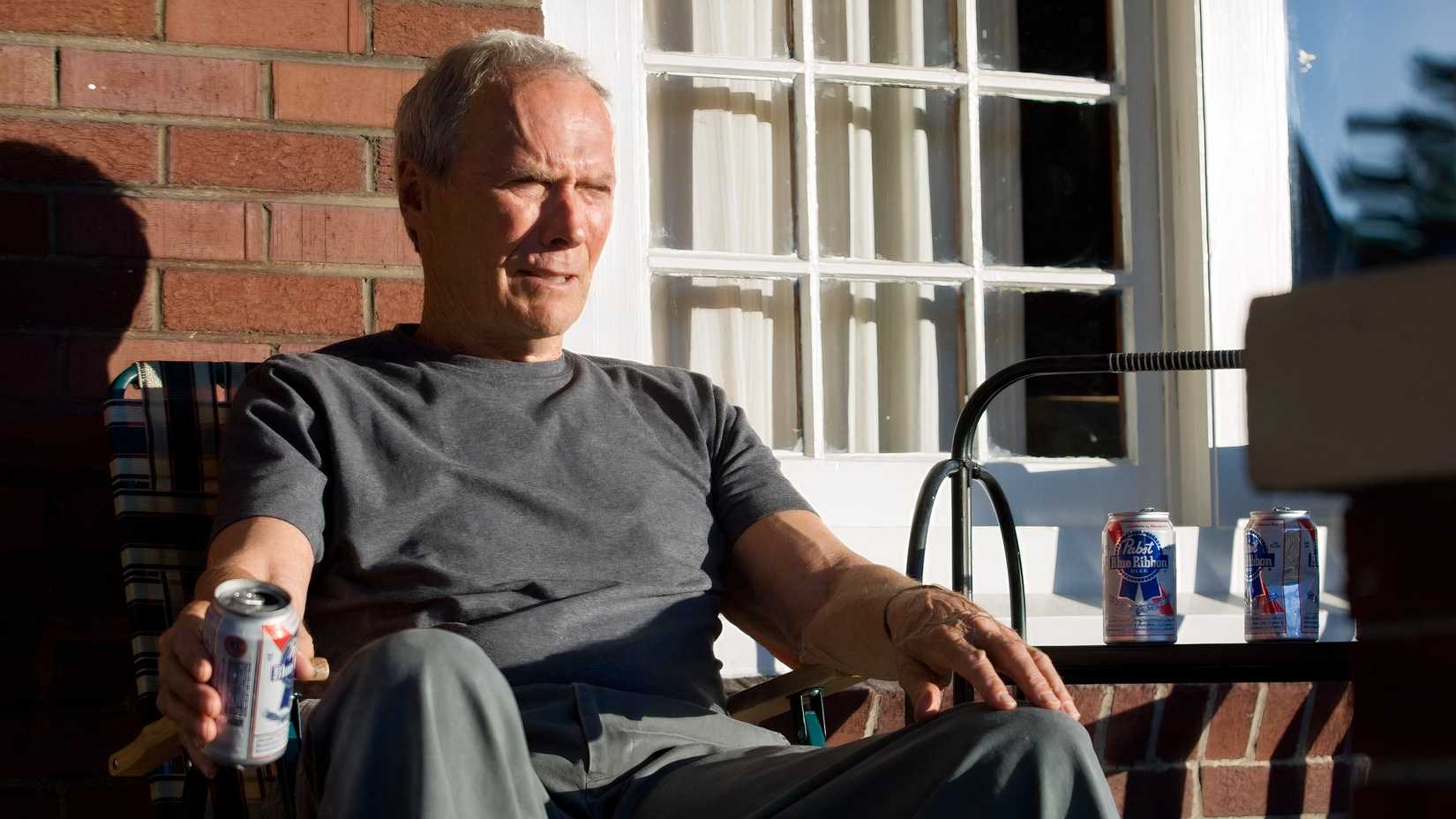
In Gran Torino's third act, Thao sister Sue (Ahney Her) is brutally attacked by a local gang. In the aftermath, Thao wants revenge, and in the typical Eastwood movie of yesteryear, this is where Clint would load his .45 and exact bloody retribution. Except that's not what this story is about. A key part of Walt's inner pain is living with how he killed a child soldier during the war - an act that has haunted him ever since.

Rearrange the movies into the correct US release order.
Walt doesn't want Thao to live with the burden of taking another life, and the old man doesn't want to kill again either. Having learned he is dying of a terminal illness, Walt instead marches up to where the gang hangs out, provokes them verbally and, after they reach for their guns, reaches into his own pocket. They shoot and kill Walt, who is revealed to have been just reaching for his cigarette lighter.
Given all the witnesses who saw them gun down an unarmed old man, the gang is sent to prison for a long time. This frees Thao and Sue of their influence, and it's one of the most moving and emotionally satisfying endings in any Eastwood film. Gran Torino really sees Clint digging deep in a way he rarely does onscreen, and proving beyond doubt he's a great actor.

- Release Date
- December 12, 2008
- Runtime
- 116 Minutes
- Director
- Clint Eastwood
- Writers
- Dave Johannson, Nick Schenk
KioskNews shows a cleaned-up reading view extracted from the publisher’s page — the original always lives on their site, not ours.