Home-swapping holidays surge among China retirees to travel affordably, foster connections
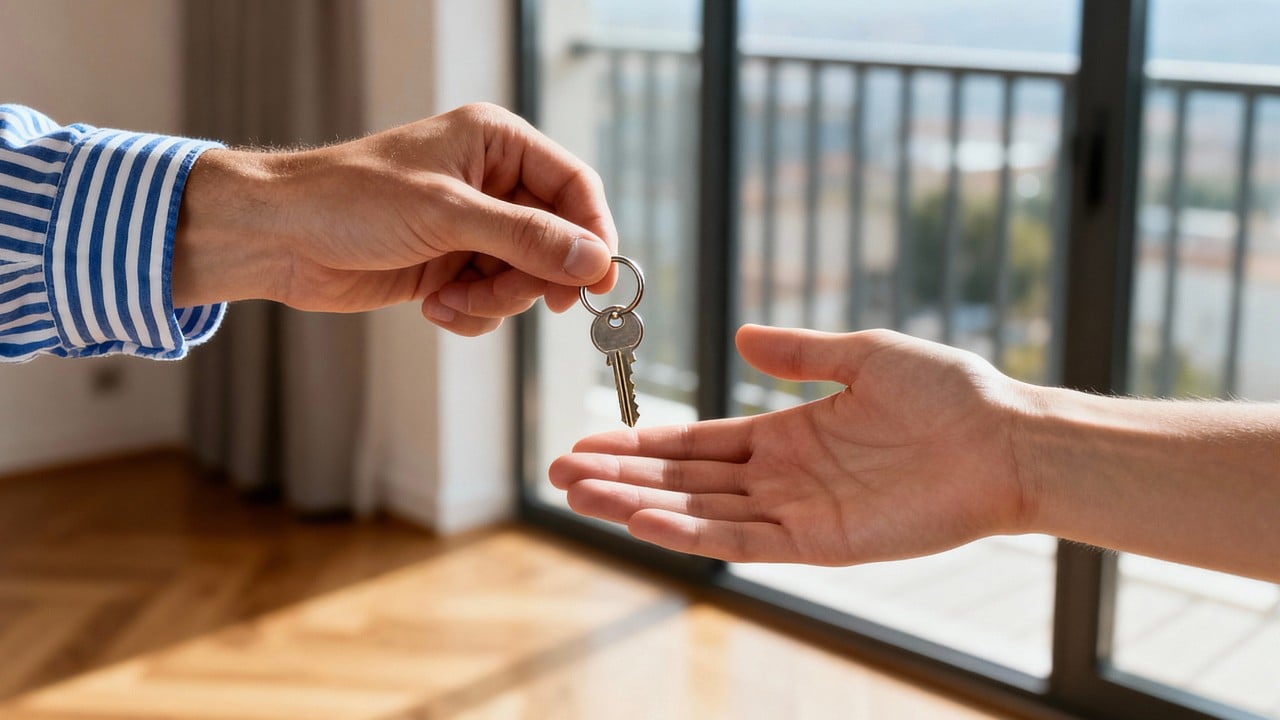
A growing number of Chinese retirees are embracing home-swapping holidays, exchanging keys with strangers to travel on a budget and expand their social circles.
The concept dates back to European teachers in the 1950s and gained global popularity through the 2006 film The Holiday. In China, it emerged among young people in 2023 amid soaring hotel prices.
During China’s National Day holiday in October, average per-person travel spending reportedly fell to about 894 yuan (US$135) per trip, a record low.
Against this backdrop of belt-tightening, retirees and early-retired middle-aged people with spare time and property have enthusiastically joined the trend.
Dedicated home-swapping communities and matching agencies are now flourishing on mainland social media.

Swaps generally follow one of two models: simultaneous exchanges, or staggered visits in which one party hosts first and visits later.
Beyond reducing costs, many seniors see home-swapping as a meaningful way to rebuild social connections later in life.
According to a report by North Latitude Laboratory, Wu Xiaoping, a teacher from Wenzhou in Zhejiang province who is nearing retirement, swapped homes with a senior in Nanjing, whose daughter was studying in Japan.
Now active in several swap communities, Wu has noticed distinct demographic patterns: women tend to swap with other women, while teachers favour civil servants over businesspeople.
Xiao Ping, a 40-year-old former operations manager from Guangdong, southern China, who retired early, exchanged his spare duplex property for a suburban villa in Guizhou, complete with a courtyard, pond and pavilion.
During his 20-day stay, he cooked and socialised with the host’s local circle.
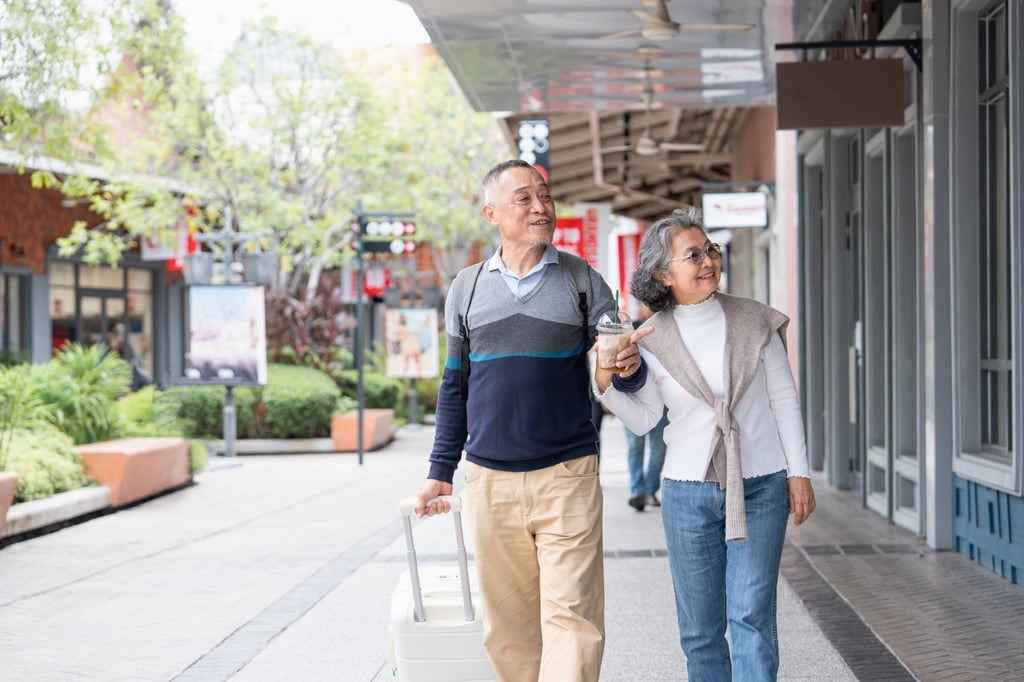
Xiao said the practice depends on tacit agreements: owners exchange photos of their ID cards and liability waivers, provide clean bedding and toiletries, and agree on how to handle utility bills.
Guests clean the property before leaving and send a video to confirm its condition.
“It takes an open mind and trust,” Xiao remarked. “If you worry constantly, you can never swap.”
Similarly, Li Feng, a retired engineer from Xian in northwestern China, swaps her spare apartment twice a year. On one occasion, she stayed in a hot-spring villa in Guangdong.
She noted that some guests even leave new electrical appliances as thank-you gifts.
However, the trend has drawn scrutiny from legal experts, who warn that property damage, privacy breaches and broken agreements remain largely unregulated.
Negative experiences also occur. One netizen, for example, said her stay in Hong Kong was marred by thin walls and mosquitoes that had not appeared in the preview video.
Lawyers recommend signing written agreements, making an inventory of valuables, verifying identities and informing relatives, according to mainland media reports.
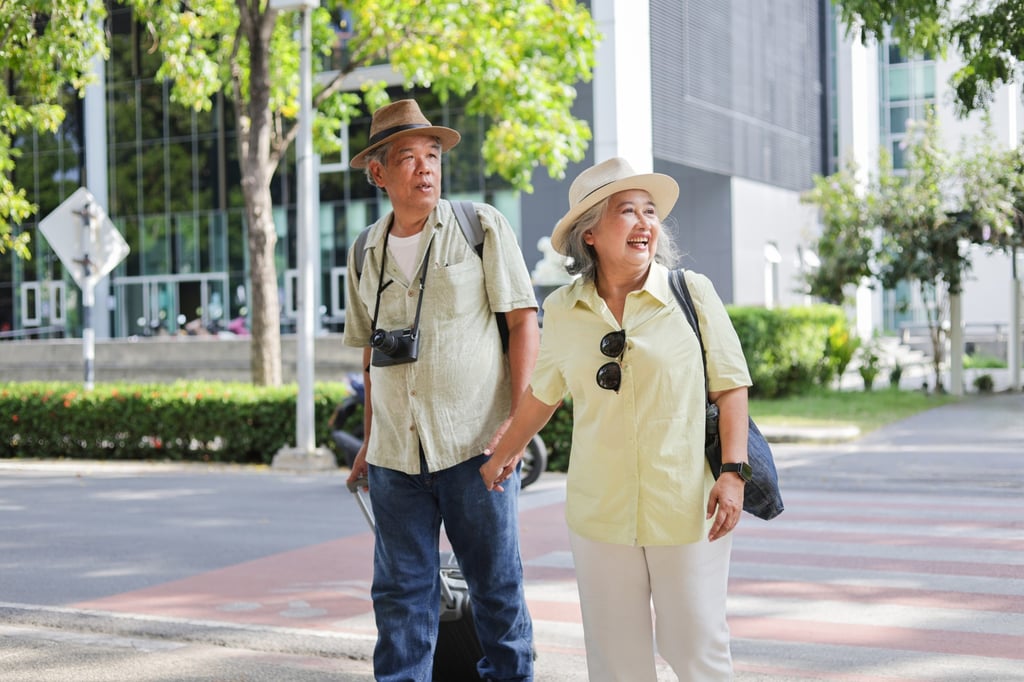
Meanwhile, cultural and tourism authorities have suggested linking home exchanges to the social credit system and introducing standardised ratings.
Online sentiment remains mixed.
One netizen remarked: “Trading a small flat for a large villa is totally worth it, and you get to meet fellow travel enthusiasts from all over the country.”
Another cautioned: “Handing your home entirely over to a stranger is very risky. One can never be too careful.”
According to the Ministry of Civil Affairs, China’s senior population is projected to reach 380 million by 2030, with healthy younger retirees accounting for more than 60 per cent.
KioskNews shows a cleaned-up reading view extracted from the publisher’s page — the original always lives on their site, not ours.