Quezon vice gov urges youth to emulate Hermano Puli’s patriotism
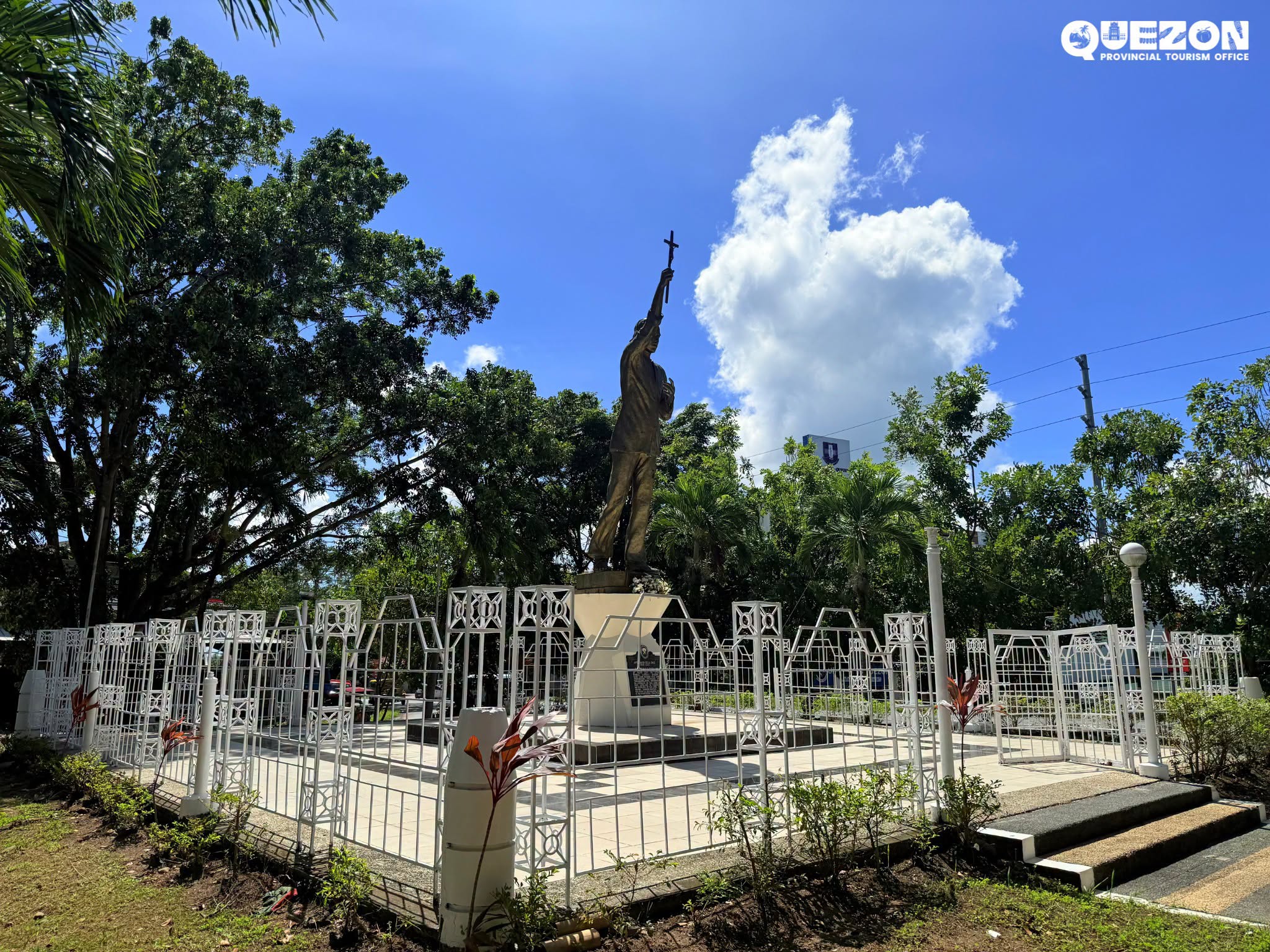

LUCENA CITY — Quezon Vice Gov. Anacleto Alcala III on Wednesday urged Filipinos to instill patriotism in the young generation as the province commemorated the 185th death anniversary of revolutionary hero Apolinario de la Cruz, popularly known as Hermano Puli.
“Let us continue to raise awareness among the younger generation, not only across Quezon but throughout the nation, so that Hermano Puli’s sacrifice will forever serve as a guiding beacon,” Alcala said during a commemorative ceremony at the hero’s shrine along the Maharlika Highway in Tayabas City.
“May the soul and spirit of Hermano Puli continue to inspire us as we work together toward a more progressive, resilient, and just province of Quezon,” he said.
Article continues after this advertisement
READ: Honoring ‘Hermano Puli’: Bad weather moves rites from shrine to church
FEATURED STORIES
NEWSINFO
NEWSINFO
NEWSINFO
Gov. Angelina Tan did not attend the event because of an important national engagement in another town, according to the Public Information Office.
The provincial government also paid tribute to De la Cruz, describing him on a Facebook post as “a great son of Quezon who gave his life for faith, equality, and freedom.”
“May his courage, strong convictions, and compassion for others continue to inspire everyone. May these values remain alive in our hearts as we work toward unity and a stronger sense of identity as Quezonians,” the post read.
Alcala led local officials, provincial government employees, representatives of nongovernment organizations, police officers and soldiers in a wreath-laying ceremony at the hero’s monument in Barangay Isabang, Tayabas City.
Article continues after this advertisement
Malacañang earlier declared Nov. 4 a special non-working holiday in Quezon province on De la Cruz’s 185th death anniversary.
De la Cruz was born on July 22, 1815, in Lucban town. He aspired to become a priest but was discouraged by Spanish friars because he was a native Filipino, or an “indio.”
Article continues after this advertisement
At 17, he founded the Cofradia de San Jose religious movement, which drew followers from Tayabas and the provinces of Laguna, Batangas, and Cavite, as well as Tondo in Manila and parts of the Bicol region. Historical accounts put its membership at around 5,000.
Suspecting the movement was subversive, Spanish friars forced De la Cruz and his followers to go underground.
Historical accounts say Puli killed Spanish commander Joaquin Ortega during a battle on Oct. 23, 1841, marking the first fatality among Spanish officials in the uprising.
READ: ‘Hermano Puli’: religion, rebellion, and nationOrtega’s death angered Spanish authorities, who dispatched a large contingent of troops to pursue Puli and his followers.
On Nov. 1, 1841, Spanish forces attacked De la Cruz and his followers. He escaped but was captured days later and executed on Nov. 4 in Tayabas.
In an effort to intimidate his followers, Spanish soldiers dismembered his body, placed his head in a cage, and displayed it on a pole along the roadside.
Your subscription could not be saved. Please try again.
Your subscription has been successful.
De la Cruz’s martyrdom later became an inspiration to Filipino priests Mariano Gomez, Jose Burgos, and Jacinto Zamora, whose execution in 1872 helped fuel opposition to Spanish colonial rule and the movement for Philippine independence./coa
KioskNews shows a cleaned-up reading view extracted from the publisher’s page — the original always lives on their site, not ours.