Cooler than Tokyo: Sendai named Japan’s most comfortable city amid record heat
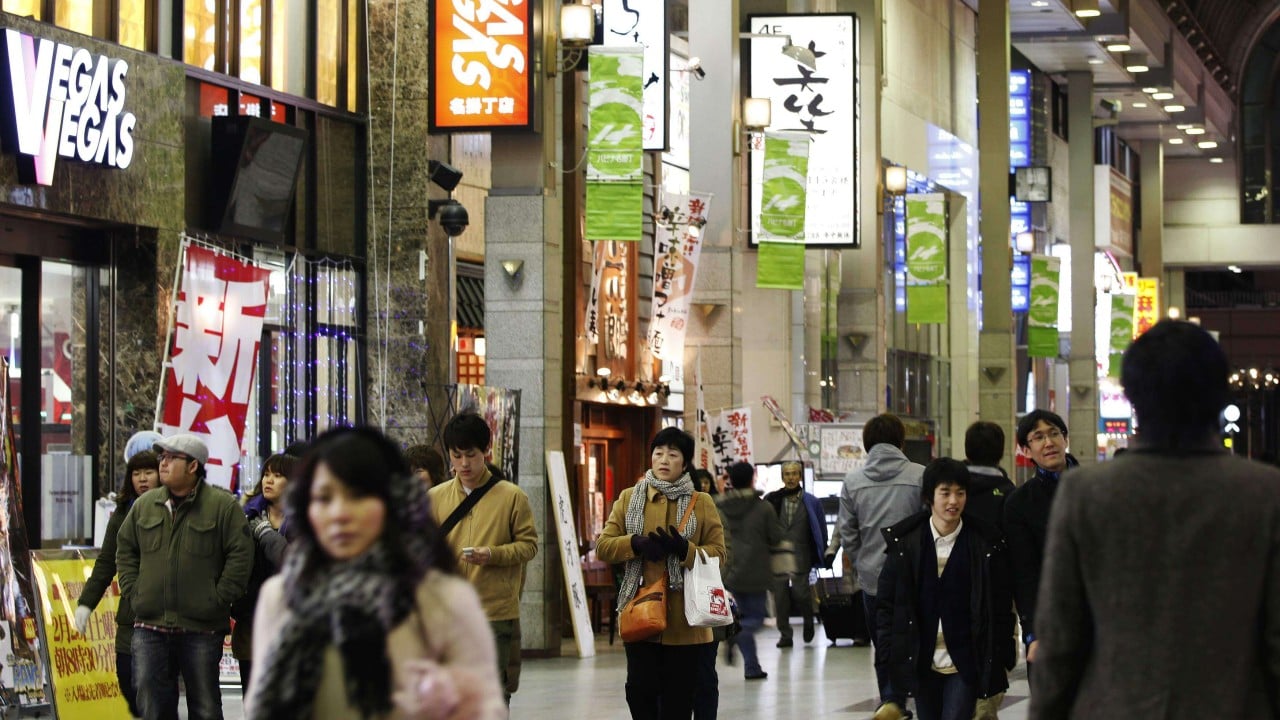
As days of dangerous heat become more frequent in Japan, Sendai has emerged as the most comfortable city, with a climate that is “not too hot and not too cold”.
The Miyagi prefectural capital, about 300km (186 miles) from Tokyo, has the best weather, according to the Asahi newspaper, with the lowest number of midsummer and midwinter days among 11 major cities in the nation.
Citing Japan Meteorological Agency data, the newspaper reported that Sendai had only 31 midsummer days and no midwinter days between September 2025 and August this year. Midsummer days are logged when the temperature goes above 30 degrees Celsius (86 Fahrenheit), while midwinter days are when it falls below 0 degrees.
Cities in the Tohoku region, which includes Sendai, generally did well weather-wise. Aomori had the second fewest extreme temperature days – 39 – in the same period, followed by Akita at 46 and Morioka at 48.
Sendai’s mild weather makes it a comfortable city for living, the city government promotes on its official website.
“It is my impression that there are many people planning to relocate to avoid the severe heat in Tokyo, and the pleasant climate is one of the reasons they choose Miyagi,” said Kuniko Isago, a counsellor at the Miyagi relocation support centre in Tokyo who helps those looking to relocate from the Tokyo metropolitan area.
Tokyo had the fourth most midsummer days last year, at 71, behind Osaka, Nagoya and Fukuoka. It had no midwinter days.
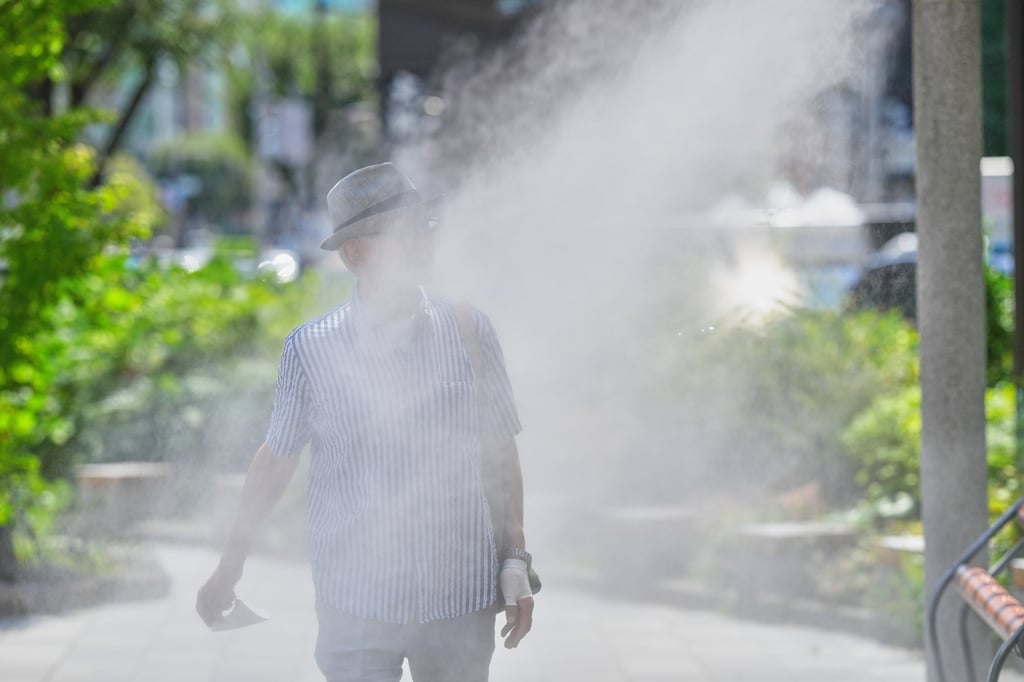
This year’s summer was the fifth-hottest ever in Japan, according to the weather agency.
In April, after Japan experienced its hottest summer on record – 41.8 degrees in Isesaki, Gunma prefecture – the agency officially adopted the term kokushobi or “cruelly hot day” to describe days when the maximum temperature is 40 degrees or higher, according to nippon.com.
From July to August, kokushobi were observed at 36 points across Japan, mainly in the Kyushu and Tokai regions. And while the heatstroke alert was issued 36 times in Tokyo and 27 times in Aichi prefecture this summer, Miyagi saw only three.
Sendai’s average maximum summer temperature was 26.8 degrees, the lowest since 2020.
The rainy season ended on August 4 in the southern Tohoku region, 11 days later than average, according to the Sendai District Meteorological Observatory. It was followed by cool winds from a high-pressure system.
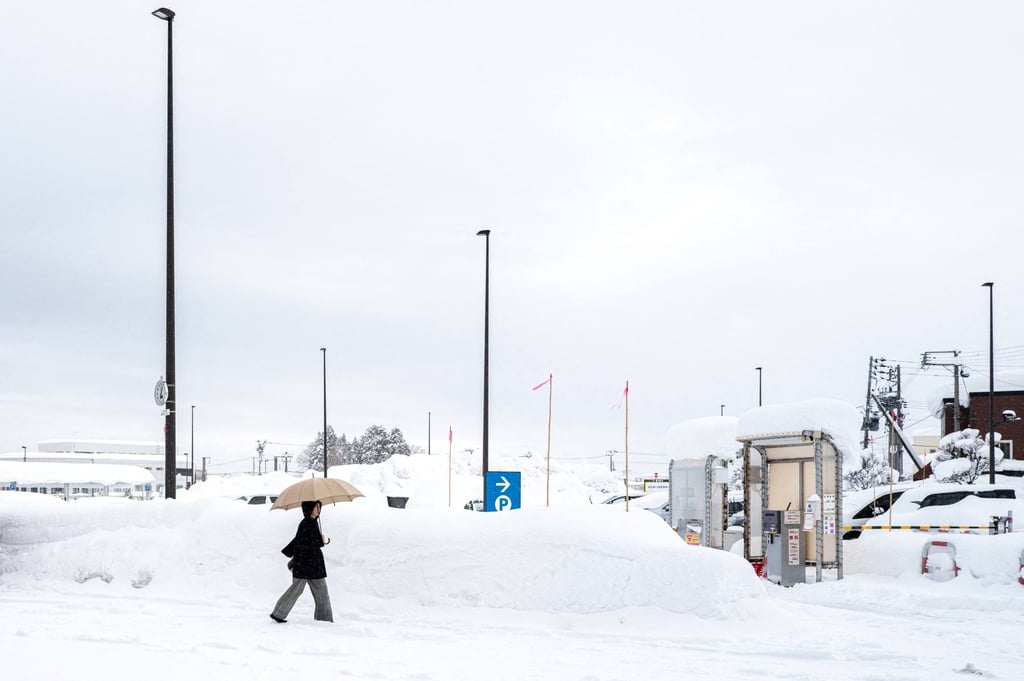
Meanwhile, Tokyo marked its hottest July 1 ever – at 36.8 degrees. Temperatures in the capital topped 30 degrees on Wednesday, the latest in the year a midsummer day had ever been recorded, Agence France-Presse reported.
If the weather proves a draw, it would be good news for Sendai – especially after its population declined for the first time since records began in 1920.
According to the 2025 National Census, released by the Ministry of Internal Affairs and Communications on October 1, the population of Sendai City was 1,096,146 – a decrease of 558 from the previous census five years ago, national TV station TBS reported.
KioskNews shows a cleaned-up reading view extracted from the publisher’s page — the original always lives on their site, not ours.