Editor's Notes: Any unity deal must start with the leaders who are here, including Netanyahu
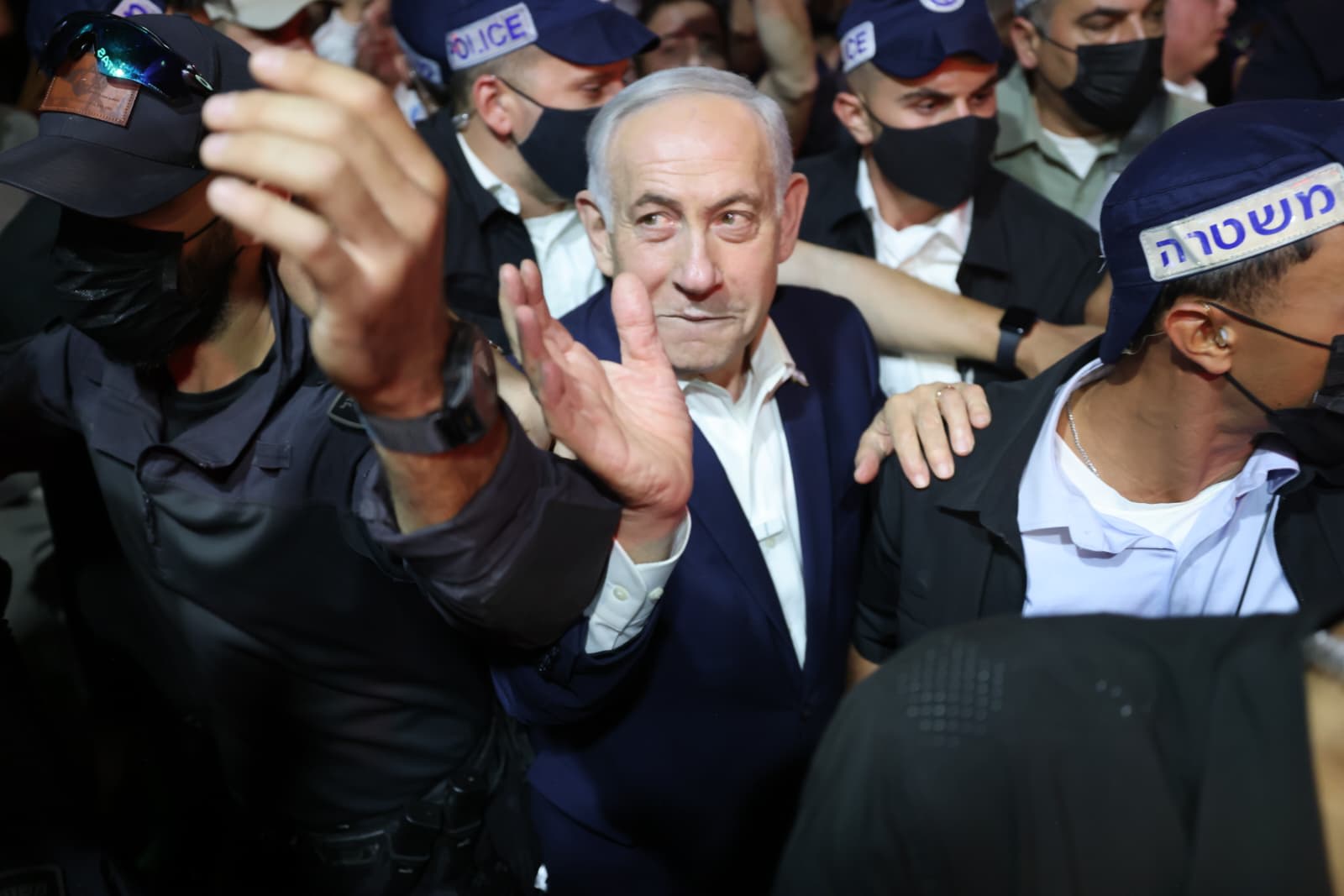
Many Likud voters chose Netanyahu personally, so any serious unity proposal has to start with him rather than wish him away.
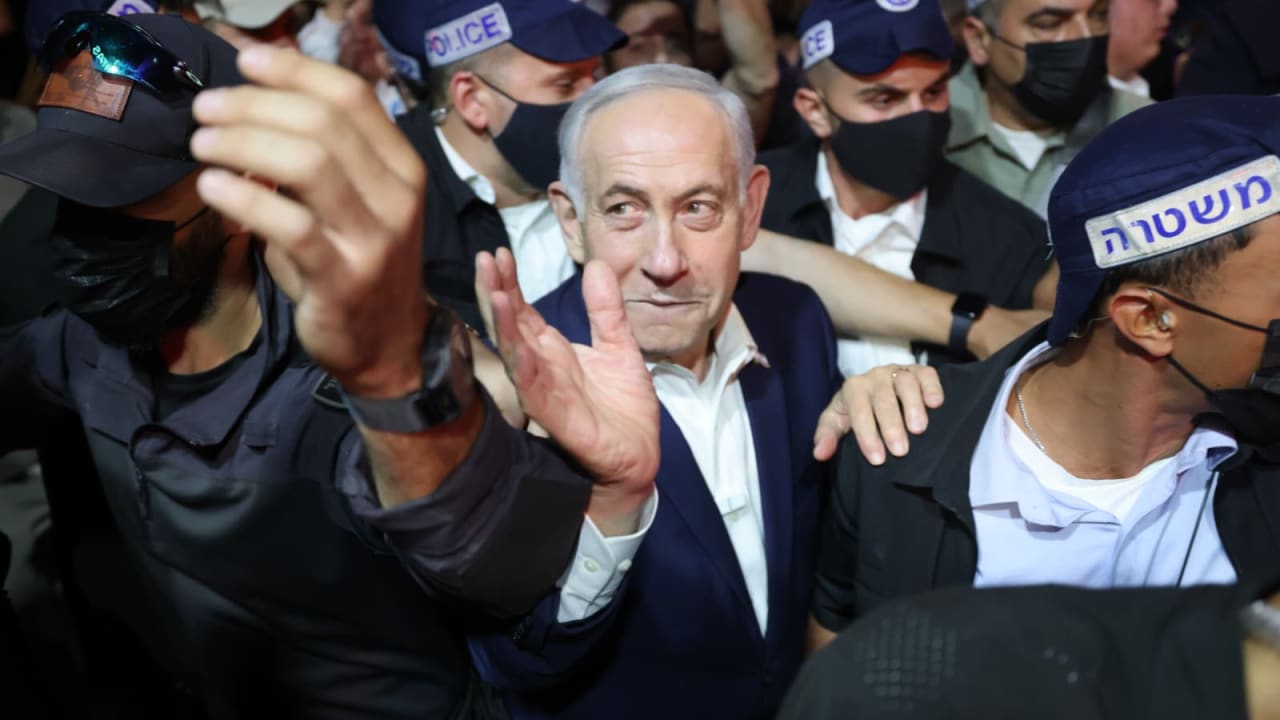
By 2:15 a.m., when we began interviewing Benjamin Netanyahu at Likud’s campaign headquarters in Petah Tikva, some of the people around him were taking naps on couches and chairs. We finished at a quarter to three. He was alert, focused, and still had things to do after we left.
There is something almost hassidic about the way people around Netanyahu speak about him. Everyone seems to have a story about the rebbe. That night, in a studio in an industrial area, the man at the center of it all appeared to need less sleep than the people waiting for him.
I keep thinking about that scene when I hear suggestions that Likud should simply choose someone else. Many of its voters chose Netanyahu personally. Their attachment to him cannot be transferred to another Likud MK by a clever coalition agreement. His opponents understand that attachment, even when it drives them mad.
A serious unity proposal has to begin with the people who are actually here, including leaders their opponents hoped the election would remove.
So, here is the offer I would put on the table: Netanyahu remains prime minister. Gadi Eisenkot becomes defense minister. The Bennett-Lapid partnership takes responsibility for finance and foreign affairs. Avigdor Liberman’s Yisrael Beytenu joins the same negotiation over military service and the budget. They agree on the policies and funding before entering together.
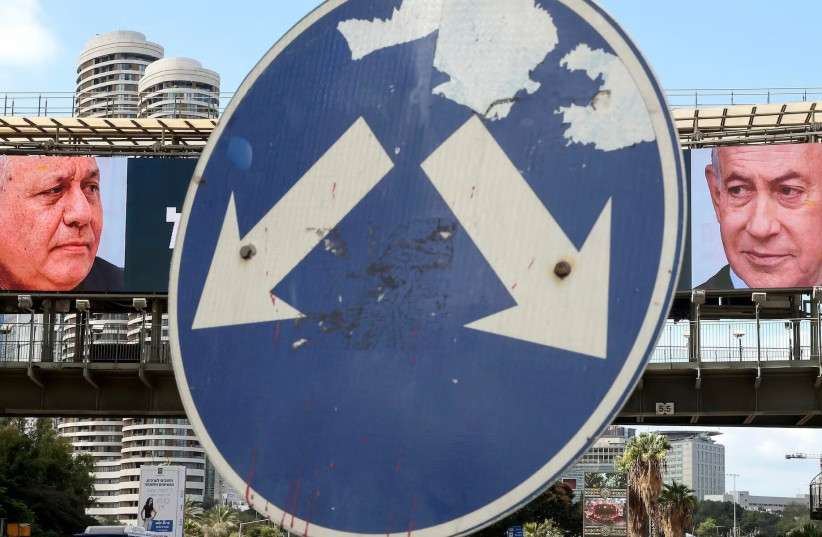
I know what the first objection will be. Netanyahu stays. For people who hold him responsible for the October 7 massacre, that may be enough to reject the proposal. They deserve an answer about what Israel would gain from the arrangement. Telling them to put their feelings aside will not do.
Eisenkot’s Yashar would have authority over defense and a negotiated role in security decisions. Together, the party led by Naftali Bennett and Yair Lapid would nominate the finance and foreign ministers. Its leaders could shape the budget and conduct diplomacy, and they would have to answer for the results. Liberman would need a military-service agreement his voters could recognize as an achievement.
Subject to parliamentary arithmetic, this partnership would allow Netanyahu to form a government without his current haredi and far-right partners (although we should differentiate between Bezalel Smotrich and Itamar Ben-Gvir, since the former can potentially be part of this type of coalition). He would have to explain why he was leaving them out. That conversation would presumably be less pleasant than announcing another ministry.
Netanyahu would keep the office he wants most, while conceding control over important decisions to people with their own voters and ambitions. His rivals would give up the immediate removal of Netanyahu in exchange for authority and policies they could not deliver from the opposition. They would have to judge whether the gains justified that concession. So would their voters.
I would want to see the contents of the military-service agreement before taking any of this seriously: recruitment obligations, financial consequences for avoidance, a funded implementation plan, and tangible relief for reservists and their families. The Finance Ministry would have to budget it, and the Defense Ministry would have to show how it could work. Another committee would not impress the people being called up again.
An independent October 7 inquiry would also have to be agreed upon before entry, with the freedom to examine political and security failures wherever the evidence leads. Its findings could not become grounds for renegotiating the coalition’s commitment to its independence.
The parties would also need to agree on which changes to the balance among the government, the Knesset, and the courts require their joint consent. Lawyers would have to examine how to make those commitments enforceable.
A coalition document cannot simply award ministers powers the law does not give them. Israelis have already had enough experience with assurances that looked better at the signing ceremony.
South Africa provides a useful comparison. When the African National Congress lost its parliamentary majority in 2024, Cyril Ramaphosa retained the presidency, while the Democratic Alliance and other parties gained executive responsibilities under an agreed-upon minimum program. The arrangement ran into a serious budget dispute in 2025. The disputes were part of the difficulty of sharing authority.
Our opposition parties should negotiate together, with entry conditional on the same agreement. Sending one leader across first leaves him defending the handshake while everyone else explains why they would never have been so foolish. Their authorized party institutions should approve the deal before they enter, sharing responsibility for the concessions as well as the achievements.
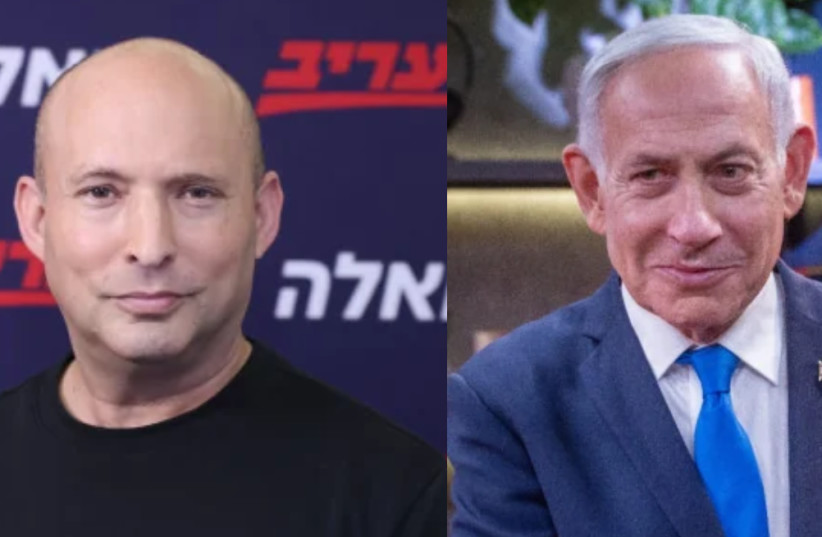
Another Likud prime minister could, in principle, make the same broad partnership easier. I consider that very unlikely. Netanyahu’s personal mandate among his voters, his ongoing trial, and his own calculations about leaving office all weigh against assuming he will step aside. His consent or a genuine internal change in Likud would be needed. Neither is something a columnist can supply.
There may be an additional reason for these leaders to work together: a regional diplomatic initiative, explored with Washington and willing Arab partners alongside the coalition negotiations.
First, find out what is available. What security cooperation, diplomatic steps, and investment could be offered? What would Israel have to commit to, including on the Palestinian question? Netanyahu could pursue an achievement he values while his partners helped write the conditions Israel would accept.
I am not reporting an offer or ongoing negotiations. If no credible opportunity emerges, it should be dropped from the coalition calculation. We cannot ask people to accept a painful domestic compromise in exchange for a regional promise nobody has made.
Italy’s broad government under Mario Draghi had a substantial European recovery program, backed by grants and loans, to administer in 2021. Even with that concrete purpose, it collapsed in July 2022 when political support fractured. The money was real. Political loyalty remained more complicated.
Netanyahu may believe another election would improve his position. His rivals may believe joining him would finish their careers. An offer has to change those calculations to have a chance.
The man I interviewed in the middle of the night did not look ready to go home. I would rather test what he is prepared to give up to keep governing, and what his opponents could deliver in return, than wait for exhaustion to settle Israeli politics.
KioskNews shows a cleaned-up reading view extracted from the publisher’s page — the original always lives on their site, not ours.