French judges investigating war crimes complaint against IDF over 2024 Beirut strike
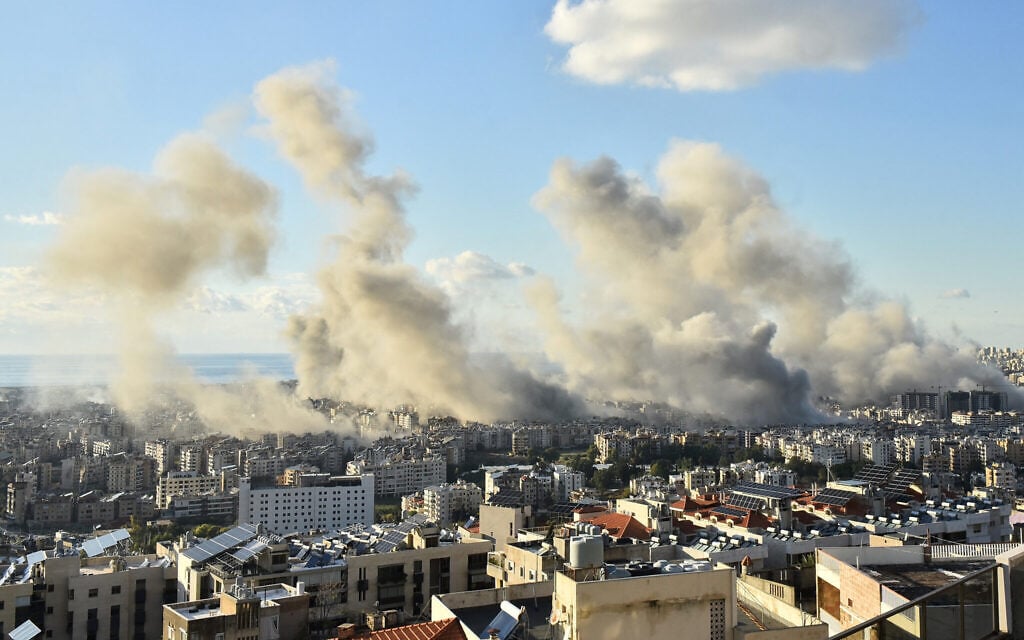
France has opened a judicial investigation into a war crimes complaint over an Israeli strike on a residential building in Lebanon in 2024, lawyer Clemence Bectarte told AFP on Tuesday.
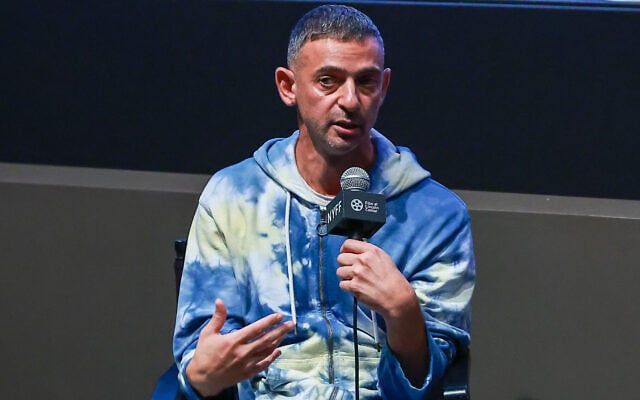
French-Lebanese artist Ali Cherri, whose parents were killed in the Beirut strike, filed the complaint as a civil party last spring alongside the International Federation for Human Rights, Bectarte said.
The crimes against humanity unit of the Paris Judicial Court has appointed two investigating judges to the case, she added, hailing the move as “a first.”
0:00 / 0:00
Promoted: American Technion Society

AFP has reached out to the Israel Defense Forces for comment. The IDF has previously said it follows international legal norms, strikes only legitimate military targets, and has stressed that Hezbollah operates in civilian areas.
“For nearly two years, I have been fighting… to ensure that the Israeli bombing that killed my parents and five other civilians does not go unpunished,” Cherri told AFP of the November 2024 strike on the residential building in central Beirut.
Get The Times of Israel's Daily Edition by email and never miss our top stories
By signing up, you agree to the terms
“What happened to my parents is not an isolated case… I hope this investigation will help break the impunity enjoyed by Israeli officials responsible for attacks against civilians in Lebanon and Palestine,” he added.
The human rights group said the strike hit at about 5:30 p.m. on November 26, 2024, and destroyed a ninth-floor apartment owned by Cherri, as well as apartments on the seventh and eighth floors. The group identified the dead as Cherri’s parents, Mahmoud Naim Cherri and Nadira Hayek, and domestic worker Birki Negesa, among others.
The filing argued that the bombing of a civilian building could constitute a war crime under French criminal law and international humanitarian law. FIDH said it draws in part on analysis by human rights groups Forensic Architecture and Amnesty International.
Amnesty International said at the time it supported the case and that its own investigation found no evidence of a military objective in or near the building at the time of the strike. It also said civilians received no effective advance warning and that the attack should be investigated as a war crime.
The strike came during the 2023-2024 conflict between Israel and Hezbollah, which began when the Iran-backed terror group attacked Israel in support of Hamas in the wake of the October 7, 2023, massacres in southern Israel.
Some 80,000 residents of northern Israel were displaced due to the terror group’s near-daily attacks.
Israel responded with airstrikes and shelling, and the low-level conflict escalated into full-scale war in September 2024, with an Israeli ground operation in southern Lebanon and the assassination of longtime Hezbollah leader Hassan Nasrallah and other senior figures in the terror group.
A US-brokered ceasefire with Hezbollah came into effect in November 2024.
Around 4,000 people were killed in Lebanon during that conflict, according to tallies that don’t differentiate between civilians and fighters, while 47 Israeli civilians and some 80 Israeli soldiers were killed.
On March 2, days after the US and Israel attacked Iran, a new round of fighting erupted between Israel and Hezbollah, when the Lebanese group began firing salvos of missiles across the border. Israel in response launched an aerial campaign targeting various locations throughout Lebanon, as well as a ground invasion. More than 1,200 people have been killed and more than a million displaced in Lebanon to date, according to Beirut.
Hezbollah is heavily entrenched in civilian infrastructure in southern Lebanon. The Iran-backed terror group opposes a framework deal signed in June between Israel and Lebanon that stemmed the conflict in southern Lebanon and is meant to lead to Hezbollah’s disarmament and an eventual withdrawal of the IDF from the country, as well as a potential peace accord between the nations.
In August, Amnesty again accused Israel of war crimes in southern Lebanon and called for an international probe of the matter.
Your next read: ToI Editors' Picks

LIMITED TIME OFFER: Join The Times of Israel Community today, and you'll receive a physical book of your choice, carefully curated by our editors.
Choose between two must-reads: When We See You Again by Rachel Goldberg-Polin, a searing portrait of a mother’s grief and strength following unthinkable tragedy;
Or Out of the Sky: Heroism and Rebirth in Nazi Europe by Matti Friedman, the gripping and surprising tale of a forgotten moment during World War II.
As a Community member, you’ll enjoy our outstanding DocuNation series of Israeli documentary films, an ad-free experience of our site and podcasts, commenting privileges, and more.
CHOOSE YOUR BOOK CHOOSE YOUR BOOK Already a member? Sign in to stop seeing this
KioskNews shows a cleaned-up reading view extracted from the publisher’s page — the original always lives on their site, not ours.