Extinct ice age bovine discovered in Siberian cave

A team working in a Siberian cave recently discovered a previously unknown bovine species that dates back to the last ice age and beyond. This species is related to modern yaks and likely went extinct around 27,000 years ago. A study published today in the journal Current Biology details the findings.
The bones allowed an international team of researchers to generate 20 ancient genomes spanning 200,000 years. They then compared these genomes with other bovines and found that they belong to a previously unknown species. They estimate that this species began diverging from modern yaks roughly 400,000 years ago and then became fully separated around 250,000 years ago.
“A useful comparison for when this lineage originated is the divergence between brown bears and polar bears, which has also been estimated to have occurred around 400,000 years ago,” Alexandre Gilardet, a study co-author and PhD student at the Centre for Palaeogenetics in Sweden, said in a statement. “This age overlaps with a particularly strong warm climatic period, which could have prompted population isolation and, ultimately, speciation.”
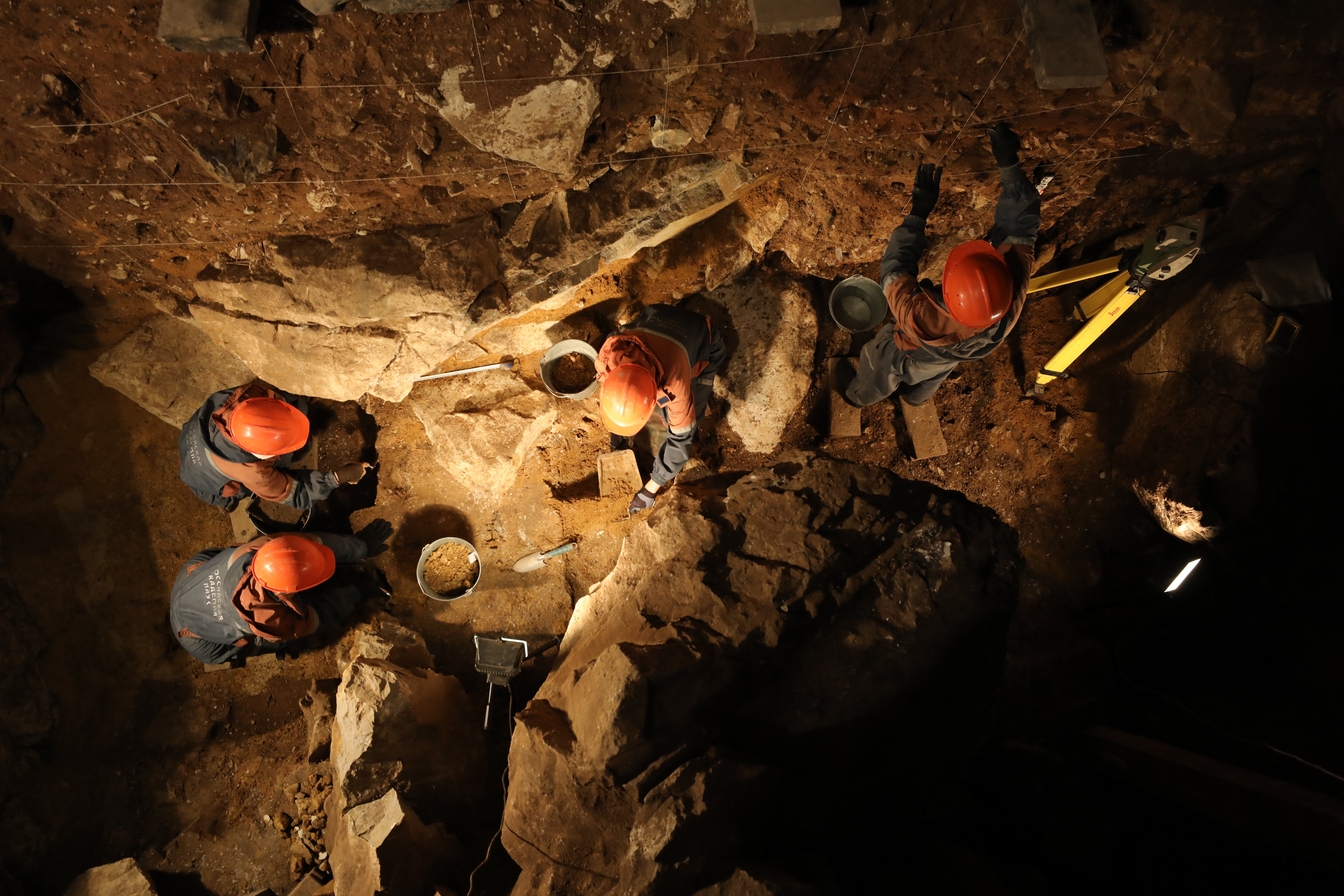
This extinct relative of modern-day yaks was detected at Denisova Cave and in the broader Altai-Sayan Mountains and southern Siberian region. Their modern relatives now live in higher elevations of the Tibetan Plateau.
The bovine discovery is not the first remarkable finding near Denisova Cave. In 2010, a single fossil led to the discovery of the Denisovans. This group of archaic humans lived across present-day Asia roughly 200,000–32,000 years ago (the Middle to Late Pleistocene). According to study co-author and paleogeneticist Love Dalén, this new bovine species discovery, “highlights the Altai region as a possible biodiversity hotspot and refugium across Ice Ages.”
While different groups of ancient humans interbreeded with each other constantly, the scientists did not see any evidence for breeding between this new species and other bovines in the area. These animals include steppe bison or aurochs, the extinct wild ancestor of cattle. According to the team, a population replacement likely occurred during the last interglacial warm period about between 130,000 and 115,000 years ago, accompanied by a loss of genetic diversity.
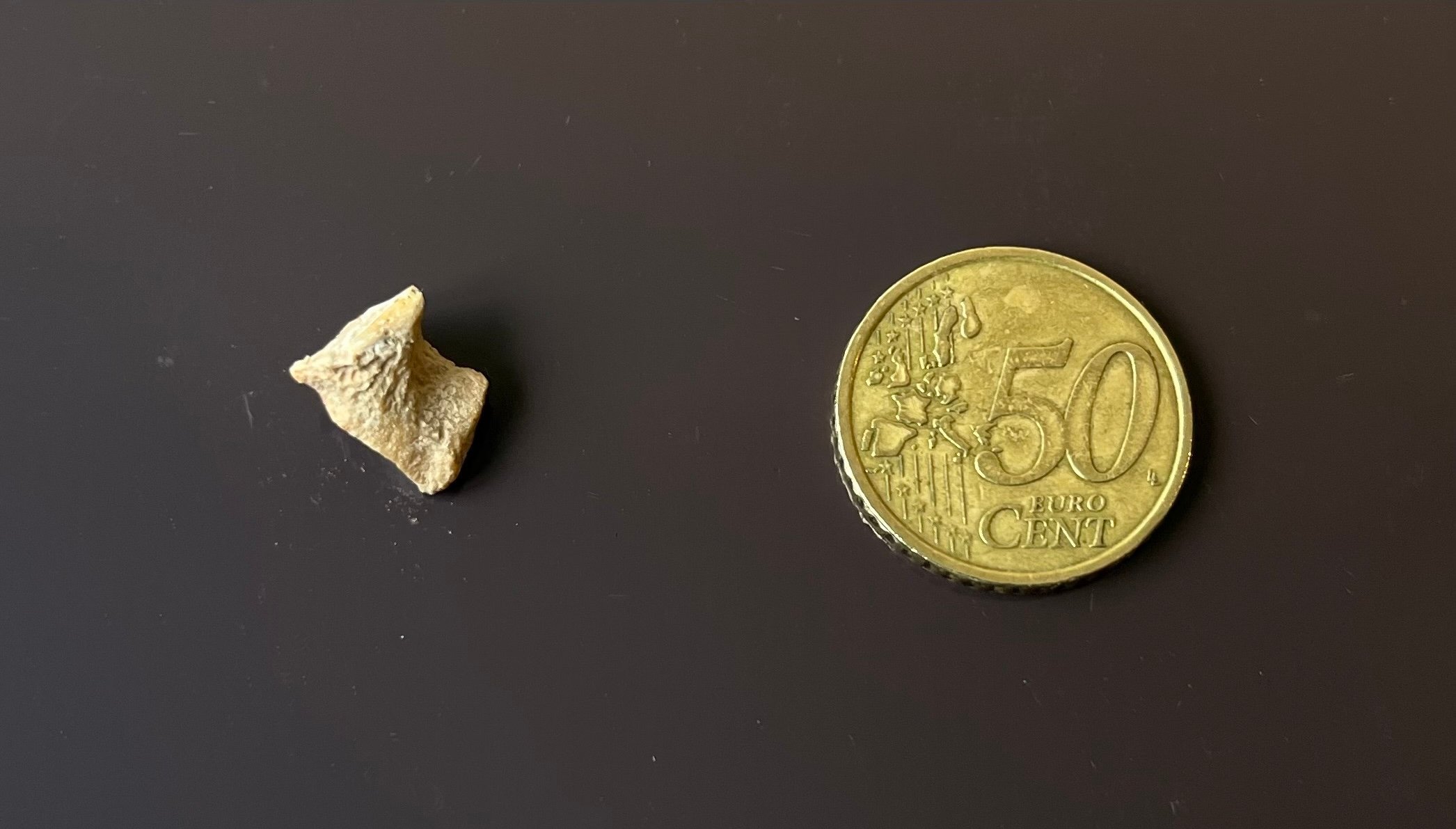
“This could reflect the genetic consequences of climate warming around 120,000 years ago on a cold-adapted species,” said Jonas Oppenheimer, a study co-author and paleogeneticist. “The long time span of our dataset is really rare in ancient DNA, and allows us to look across whole glacial cycles to see how they might have impacted biodiversity.”
The youngest specimen the team found is about 27,000 years old. The species likely went extinct sometime after that, but the exact timing and causes of its demise remain unknown. While this genetic evidence alone is not enough to formally classify and name a new species, the team plans to compare their findings with previously described yak-like remains from the same region to see if they belong to the same species.
KioskNews shows a cleaned-up reading view extracted from the publisher’s page — the original always lives on their site, not ours.