Failure to ban anti-Israel ‘hate marches’ caused surge in antisemitism, says former UK minister
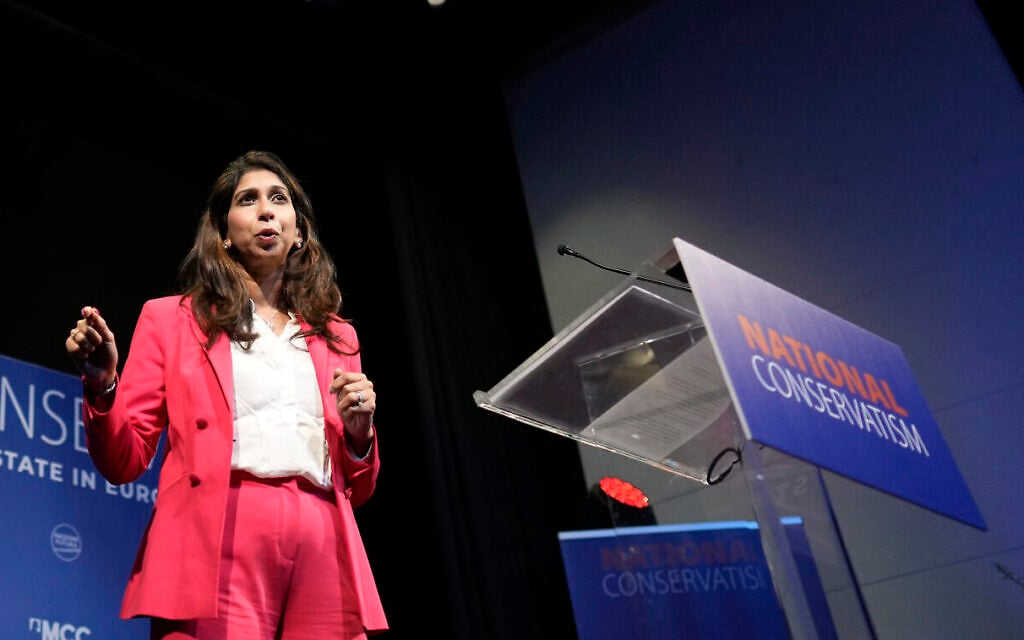
LONDON — Britain’s failure to speedily ban large-scale pro-Palestinian “hate marches” in the wake of the October 7, 2023, Hamas atrocities has contributed to rising antisemitism in the country, the UK’s former Home Secretary has claimed.
In an interview with The Times of Israel, Suella Braverman also labeled then-prime minister Rishi Sunak a “coward” for failing to back her tough stance on the weekly demonstrations that brought central London to a halt.
“The marches now have been going on for three years. There’s no sign of them really abating … because they know that they’ve beaten the authorities,” said Braverman, who defected to Nigel Farage’s right-wing Reform UK party earlier this year. “What that’s done, and this is why I won’t ever forgive the last Conservative government for refusing to ban [them] or step in, [is] that antisemitism has become normalized and acceptable, almost fashionable.”
0:00 / 0:00
Promoted: American Technion Society

Pro-Palestinian, anti-Israel demonstrations have featured antisemitic chants, support for Iran, Hamas and Hezbollah, and comparisons between the actions of Israel and Nazi Germany. The latest figures from the Community Security Trust, which monitors antisemitism and helps protect Jewish institutions in the UK, recorded 1,926 antisemitic incidents across the UK in the first half of 2026, the second-highest total ever reported to CST in the first six months of any year.
Referring to the Islamist terror attack at Manchester’s Heaton Park synagogue last October that left two congregants dead, Braverman says: “The effect of that failure in 2023, I’m afraid, is the murder of Jews on the streets of Britain. The two are connected. If the government had come down more robustly, if Rishi Sunak [and] other Conservative ministers had actually said … these marches should stop, I doubt that we would be seeing Jewish people fleeing the country right now and I doubt that we would be seeing such unprecedented levels of antisemitism and Islamism in many of our public institutions.”
Get The Times of Israel's Daily Edition by email and never miss our top stories
By signing up, you agree to the terms
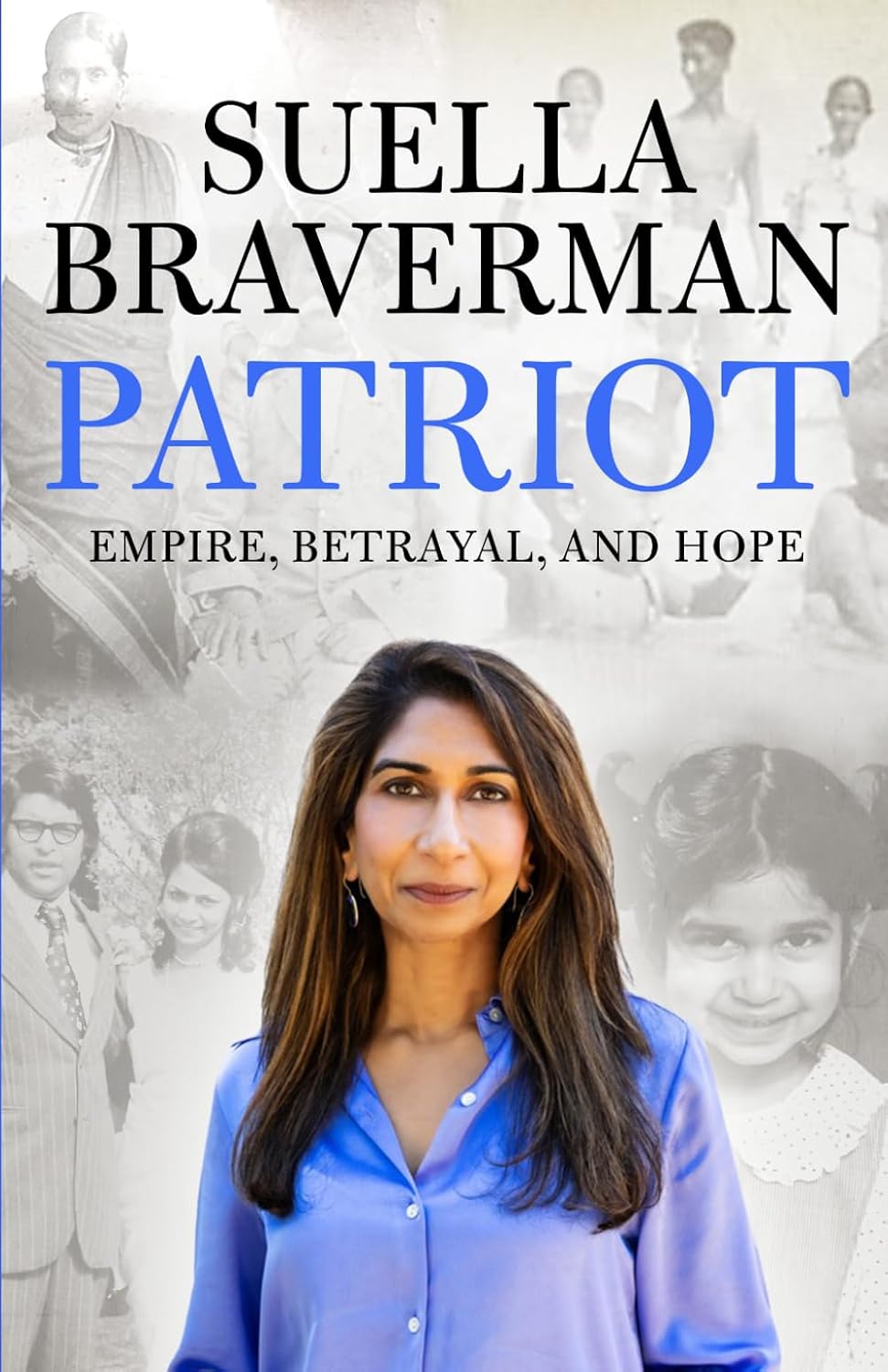
In her newly published memoir, “Patriot: Empire, Betrayal and Hope,” the former Cabinet minister lays out her battles with the head of the Metropolitan police, Sir Mark Rowley, who, she says, displayed “implacable resistance” to her efforts to crack down on the marches and had a “blind spot” regarding the “public anger” the protests were generating.
Sunak fired Braverman in November 2023 after she publicly attacked the police’s handling of the demonstrations. Before serving as Home Secretary, one of the top three Cabinet posts, she was the UK’s Attorney General, the government’s chief legal adviser. She is now Reform UK’s spokesperson for Education, Skills and Equalities and remains a member of Parliament.
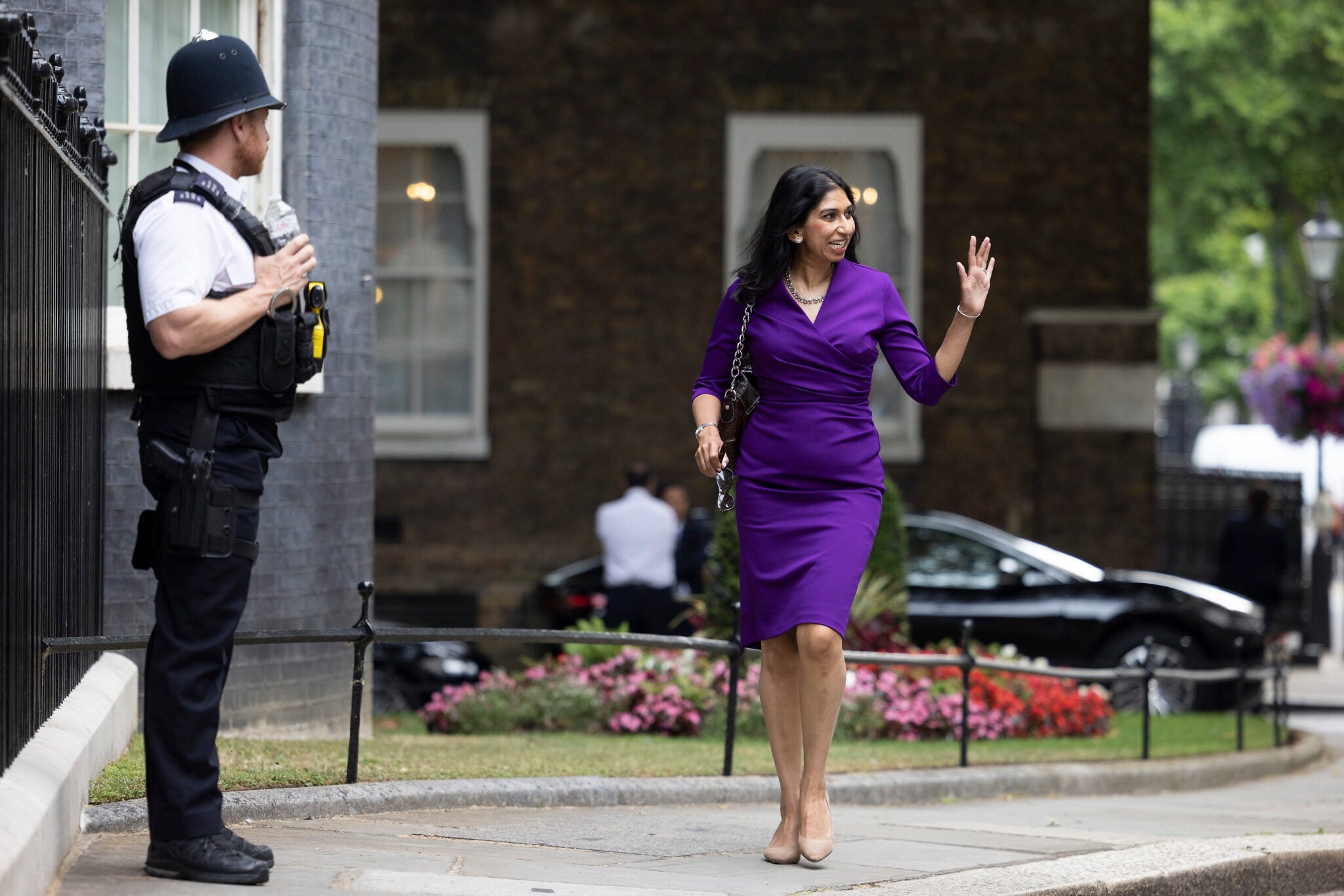
Although the Home Secretary shares responsibility with the Mayor of London for overseeing policing in the capital, they cannot ban demonstrations on their own. Instead, they must wait for a request from the Metropolitan Police in order to prohibit a protest.
As Braverman details, having failed to persuade Rowley to ask her to ban the pro-Palestinian marches, she took her case to Sunak. Although he also lacked the legal power to halt the demonstrations, she believed a prime minister’s intervention could have been “determinative.”
“I was imploring him to come out publicly or privately and make it known to the Met Commissioner that he wasn’t happy with the failure to properly police these marches and with the Met Commissioner’s appeasement of antisemitism, frankly, and Islamism on the streets for over a month,” she said.
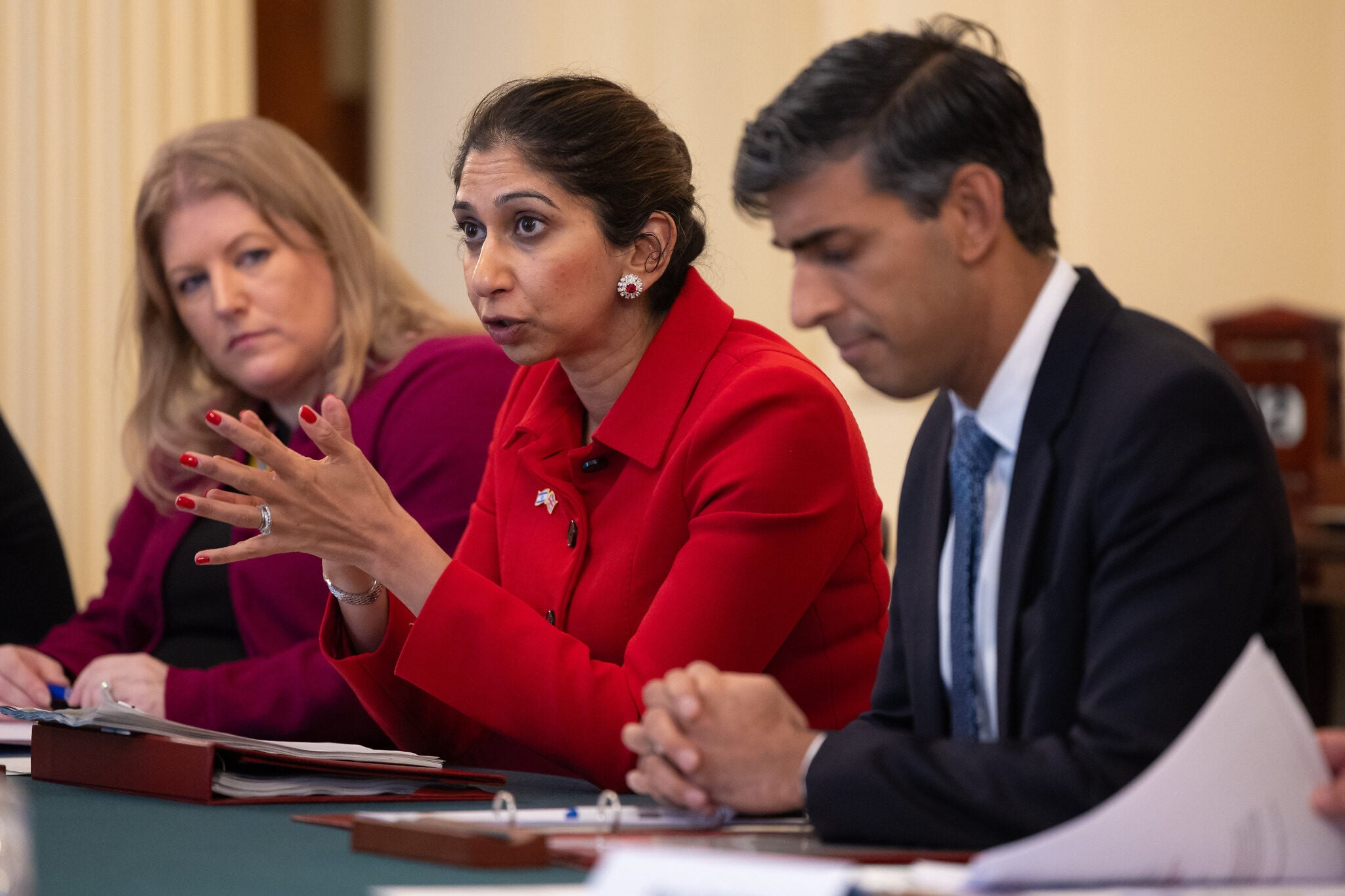
But Sunak, who, she says in the book, appeared “tired” and “irritated” when she raised the issue directly with him, refused to act. He was “a coward,” she says now. “It was all too controversial … and he wanted to sit on the fence. He didn’t want to get involved in what he saw as a question that was in the ‘too difficult’ box.”
Braverman says that she was wary of the tone of the demonstrations from the outset, noting that the first protests took place on October 8, “before all the victims had been properly identified and even before Israel had considered taking defensive military action.”
The first application to the police from the far-left Palestine Solidarity Campaign to hold a protest was submitted in the early afternoon of the day of the bloody Hamas-led invasion.
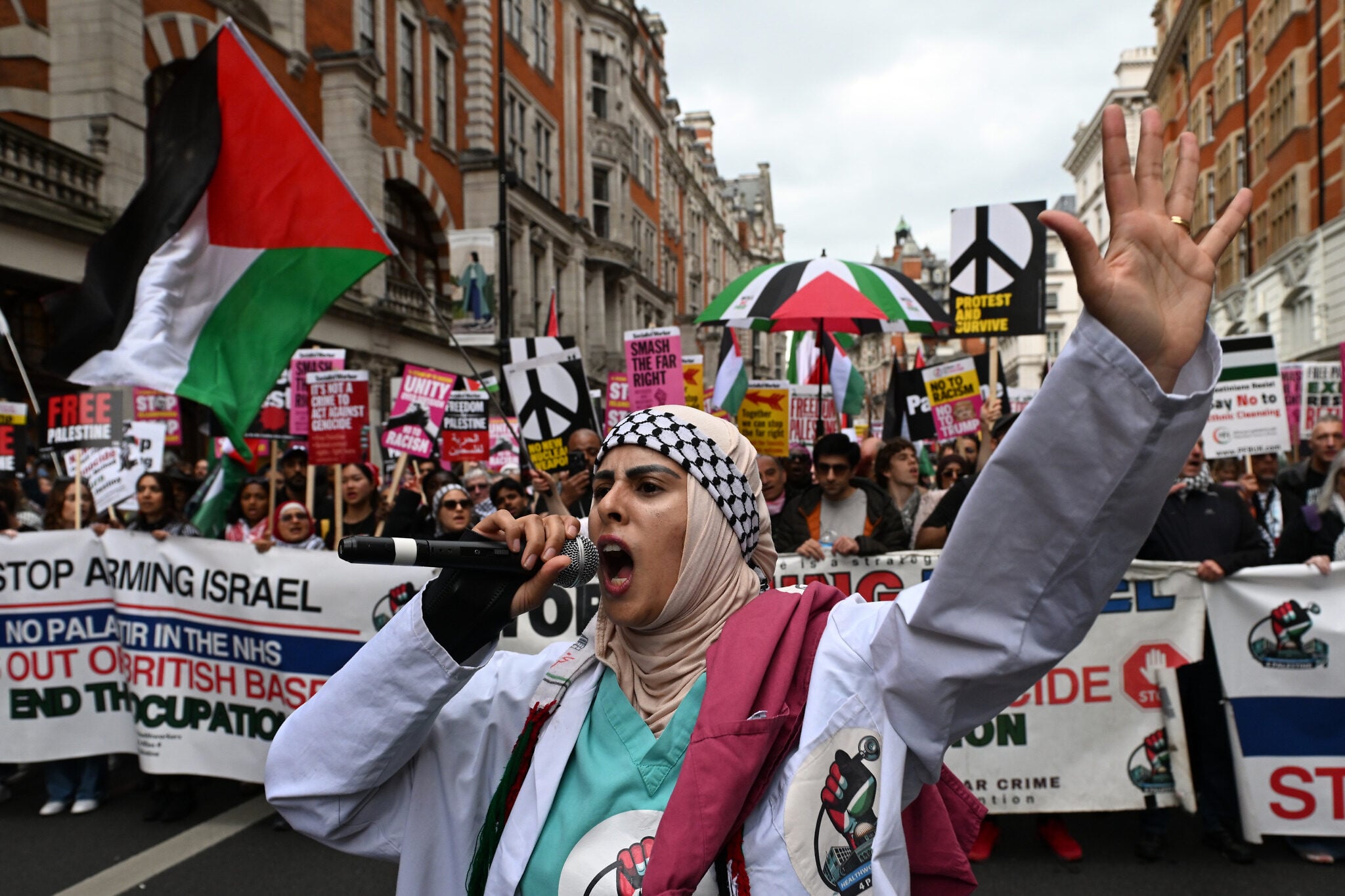
“I support the right to freedom of expression. I support the right to freedom of assembly. But that is caveated. It is not an absolute right. It needs to be peaceful,” said Braverman. “I was willing to allow freedom of protest throughout October. I was willing to allow that as long as the police arrested those individuals who were expressing antisemitic and therefore racist views and language.”
She cited as an example the frequent chants of “From the river to the sea, Palestine will be free,” which Braverman termed “racist, hateful and violent.”
“I felt that the chanting of ‘jihad,’ scaling war memorials, firing flares, wearing face coverings, glorifying and using expressions that glorified Hamas and terrorism, those were all crossing the line,” she added. “And yet the police were not really doing anything. They were very, very passive, almost inactive, about that obvious criminality.”
In November 2023, polling found that 90% of British Jews said that they would avoid traveling to a city center if a major anti-Israel demonstration was taking place there.
The former minister’s patience finally ran out when pro-Palestinian organizations announced plans to hold demonstrations during the early November Remembrance Day weekend.
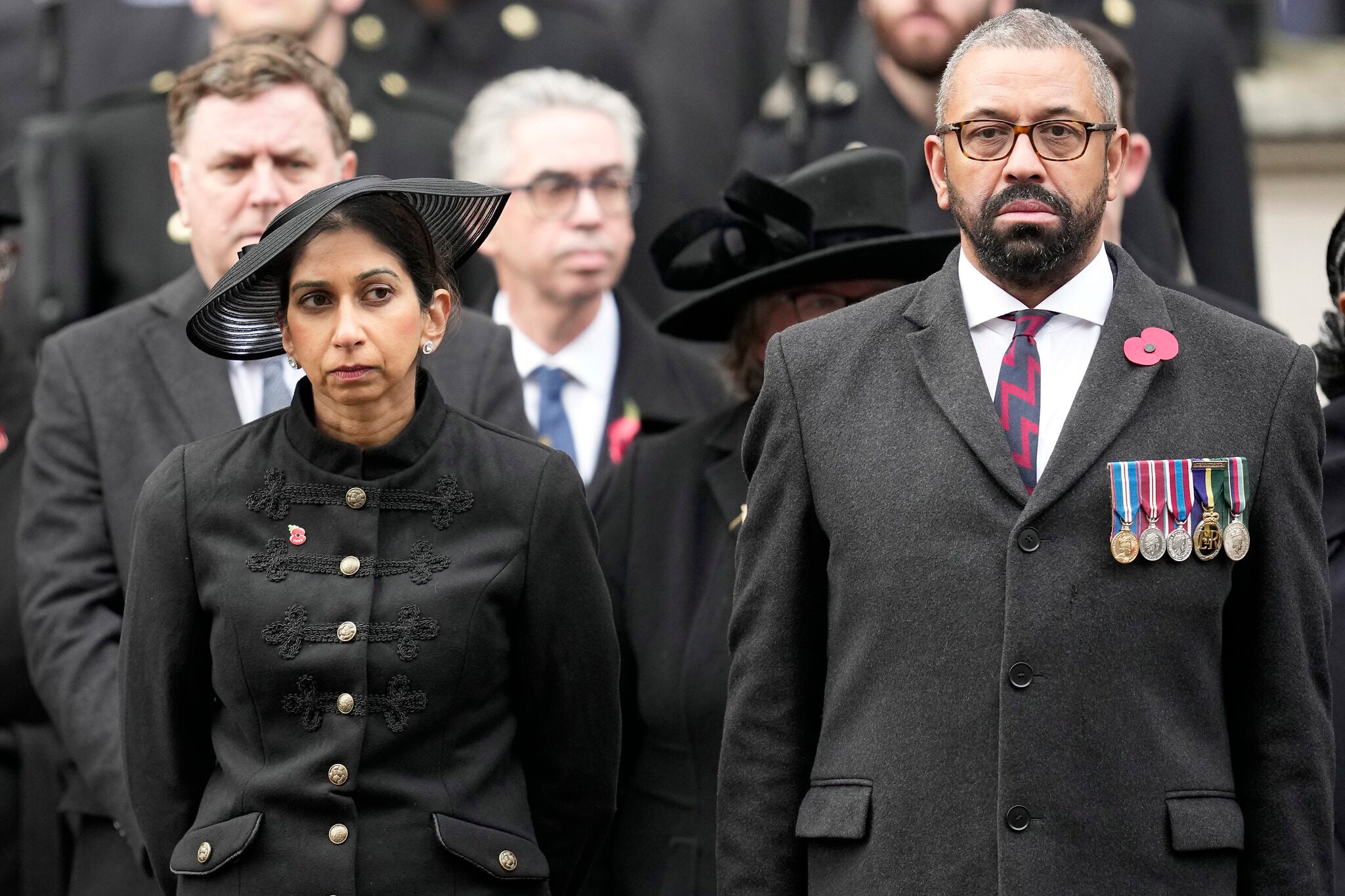
“I thought they’d made their point,” she said. “They’d got away with a lot. There had been a very wide berth afforded to them, but this was Armistice Day. This is an exceptionally significant day for our country. It’s when we remember our war dead.”
Despite a media outcry and public disquiet, the marches went ahead. The next day, Sunak telephoned Braverman to fire her from the government. She remains unapologetic about her stance.
She is appalled by the “moral perversity” of Israel — “the victim of unspeakable brutality on October 7” — now being seen as “the aggressor and the wrongdoer” – by many in “establishment and mainstream circles.”
“It’s become a badge of honor to accuse Israel of being a genocidal state and in many left-leaning establishment circles, whether it’s the BBC, whether it’s our top universities, or whether it’s our governing party, expressing any form of support for the Jewish community or Israel is seen as incredibly controversial, if not risky,” Braverman said. “And that has its roots in that institutional and political cowardice that we saw in October and November 2023 by the last Conservative Cabinet.”
Government ‘shakes hands with our enemies’
Braverman’s battles with Sunak weren’t confined to the anti-Israel marches. When she endorsed him for the leadership of the Conservative Party after the implosion of Liz Truss’s short-lived premiership, she extracted a commitment that Britain would formally proscribe Tehran’s Islamic Revolutionary Guard Corps.
But that commitment fell by the wayside. The Home Office, she said, was “very robust” on the issue institutionally, but the Foreign Office was “implacably opposed.” Sunak, she said, approached the issue with a more open mind. Ultimately, however, Sunak sided with the Foreign Office and the IRGC wasn’t proscribed, Braverman said. She noted that the UK security services have publicly linked the IRGC to a number of terror plots in the country.
Action against what has been described as “Tehran’s terror army” only came in June 2026 when Keir Starmer’s Labour government amended the National Security Act, formally labeling the IRGC as a “designated body” under new powers designed to combat “state actors.”

Braverman believes that Starmer, who was ousted by his MPs this summer, was a “moderating force” on the extreme left of the Labour Party and its “antisemitic elements.” But she accused him of taking actions — such as imposing a partial arms embargo on Israel in September 2024 and recognizing a Palestinian state a year later — to “shore up his own personal position” and appease the “anti-Israel voting bloc within his party.”
While Starmer “made noises on both sides of the debate,” Braverman said his successor as prime minister, Andy Burnham, has “chosen a side” and opted for “a stronger position of opposition to Israel.”
She is sharply critical of the government’s decision to open a new visa route for Palestinians to enter the UK, which she brands “a disaster.” Braverman also accused Foreign Secretary Ed Miliband of “shaking hands with people who are our enemies,” a reference to his meeting at the United Nations last month with Iranian Foreign Minister Abbas Araghchi.
A new home
Braverman said her new party, the right-wing populist Reform UK, is “steadfastly a friend of Israel,” noting the launch of Reform Friends of Israel and the Reform Jewish Alliance. She pledged that, if it formed a government after the next election, it would take a “tougher approach to the policing of protests.”
“I think that would be a first step to indicating that the government does not tolerate extremism, sectarianism [and] antisemitism on our streets,” Braverman said.

She added that Reform also believes in a “more robust” approach to national security — noting that the party’s leader, Nigel Farage, wants to ban the Muslim Brotherhood — and a “zero-tolerance approach to extremism and Islamism which is a massive contributory cause to antisemitism.” Extremist preachers, she said, would be arrested and, if possible, deported from the country.
Antisemitism, Braverman said, would be treated “in the same way other forms of racism are treated.”
“If any other minority group had been treated the way the Jewish community had been treated — Asian people, Black people — there would be absolute outcry, an inquiry and a change in the law and emergency legislation and ministers would take action,” she said.
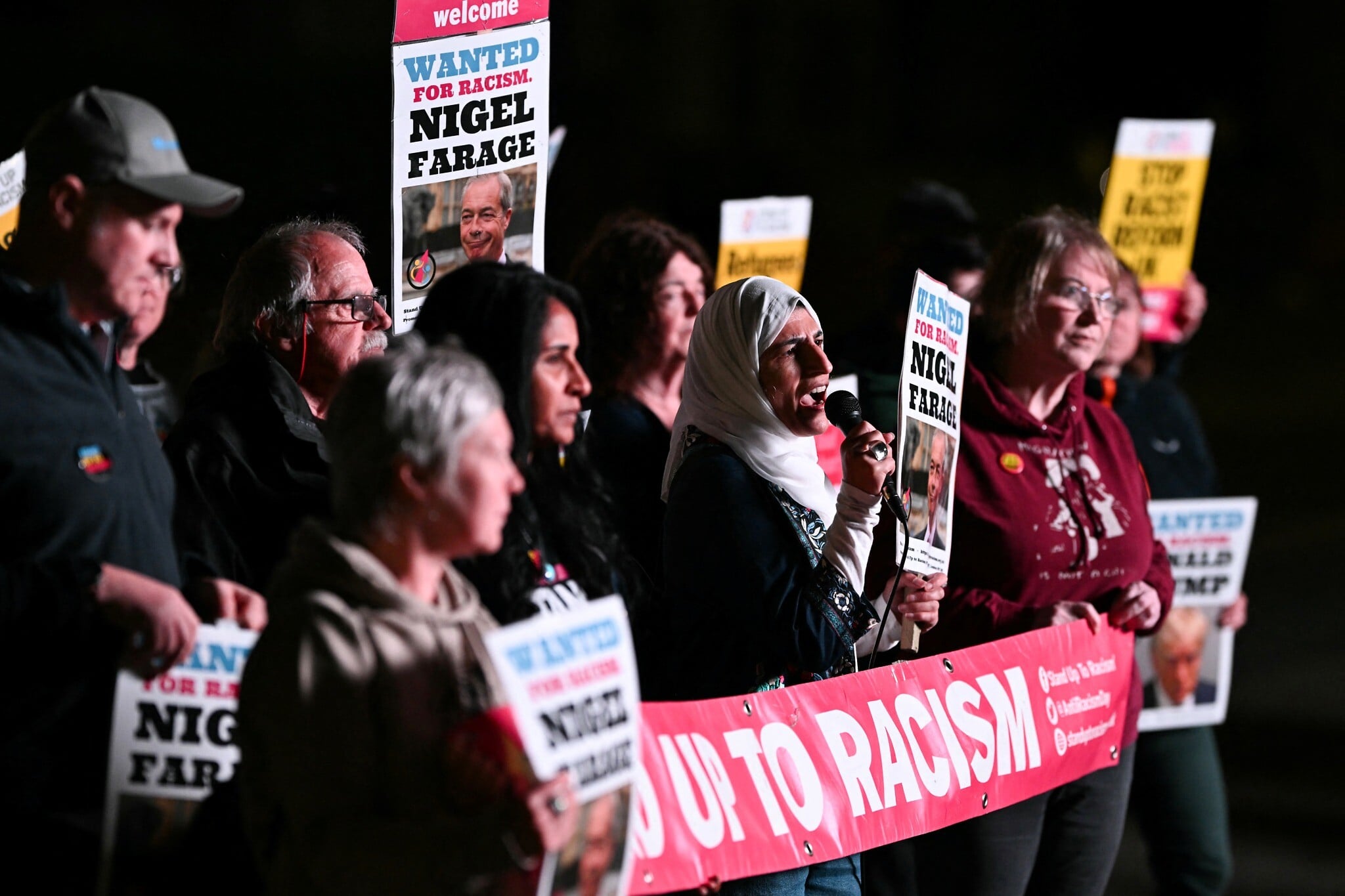
Reform itself has been beset by a number of high-profile scandals involving racism within its own ranks.
Braverman, whose parents were members of the Indian diaspora who immigrated to Britain in the 1960s, has a personal connection to Israel: her husband, Rael, is Jewish and has family members in the country.
But she traces her support for the Jewish state back to her childhood. Growing up in northwest London, she had many Jewish friends. British Jews and Asians, she said, have a lot of cultural affinities and similarities. Friday night dinners with friends led to “an appreciation of the Jewish community.”
As an adult, and long before her marriage, she visited Israel.
“The story of Israel is a huge inspiration,” Braverman said, “and I understood what it really means for Jewish people all around the world.”
Her book recounts how she awoke on October 7 to see Hamas’s unfolding onslaught, her husband’s desperate attempts to contact his family in Israel, and visiting a north London synagogue days later. Throughout it all, she said, one image remained in her mind: that of Kfir Bibas, the 9-month-old baby taken hostage and later murdered by the Mujahideen Brigades terror group with his brother and mother. Kfir, she remarks, was about the same age as her own son.

Braverman says the “full horror” of what unfolded on that day was only brought home to her when she visited Israel after leaving Sunak’s government.
“It had a massive impact on me personally. I came away a changed person,” she said, adding that meeting survivors and the parents of children who had been murdered was “incredibly powerful.”
But amid the tragedy, Braverman said she also found inspiration.
“For the first time, I really appreciated the heroism of the Israeli people who, despite unspeakable brutality, were still determined to defend their homeland, to defend their people and fight evil,” she said. “It was quite a big lesson in what patriotism looks like.”
KioskNews shows a cleaned-up reading view extracted from the publisher’s page — the original always lives on their site, not ours.