The new Canada is much like the old one
I came of age in Canada during the Pierre Trudeau years – the Trudeau whom Canadians actually respect – as a high school student from Hong Kong. Back then, Canadian politics meant deliberate independence from the United States.
Some Canadians today, especially younger ones, seem amazed that Prime Minister Mark Carney, a Liberal like Trudeau, is charting foreign, defence and economic policies more independent of the US while moving closer to Europe. That is because they grew up in a US-led global economic order in which, in a backlash against the political and cultural dominance of the elder Trudeau and his old-style Liberals, Conservative leaders and prime ministers Brian Mulroney and Stephen Harper deferred to the US in all those key areas.
Pierre Poilievre, the current Conservative Party leader, who was at times dubbed “Canada’s Trump”, might have beaten Carney in the last election had US President Donald Trump not antagonised Canadians by threatening to make their country the 51st US state. For me, it is all deja vu – Carney as Pierre Trudeau part deux.
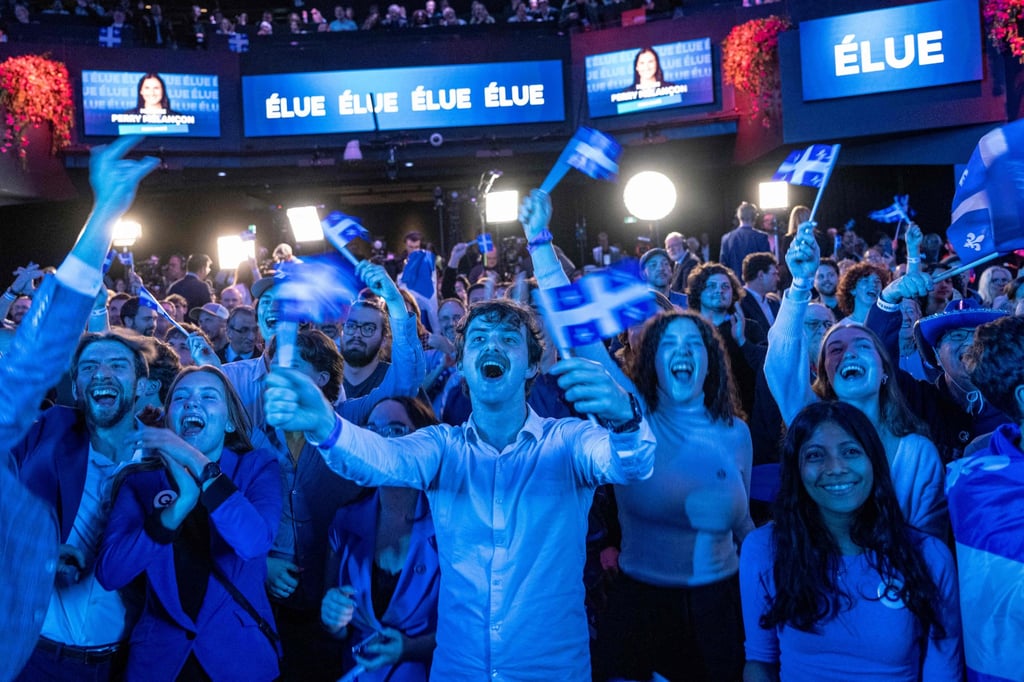
Carney is both luckier and unluckier. He can now negotiate with European leaders with a more unified country behind him, having just seen the independence referendum in Alberta soundly defeated.
To counter Quebec separatism, Trudeau introduced multiculturalism and formally separated the Canadian Constitution from Britain in 1982, thereby fundamentally changing the national and cultural character of the country, for better or worse.
If you think the current White House is hostile to Carney, recall US presidents Richard Nixon and Ronald Reagan. Nixon openly disliked Trudeau and once declared the US-Canada special relationship dead. Even as Gerald Ford took a more confrontational stance towards Cuba, Trudeau visited the communist state in 1976.
He also recognised China well before Nixon’s historic trip to Beijing. The FBI under J. Edgar Hoover kept a secret surveillance file on Trudeau from the 1950s, well before he became prime minister. Hoover had suspected Trudeau of being a closet communist.
Trudeau had his own version of “Canada first”. He believed foreign policy should be rooted in domestic priorities. That meant balancing ties with Europe against those with the US, not unlike Carney today. The choices confronting Trudeau and his European interlocutors were also similar to those Carney faces.
However, Trudeau had genuinely accomplished statesmen in Europe to deal with on trade and defence: Helmut Schmidt, chancellor of West Germany; Valery Giscard d’Estaing, president of France; and Francois-Xavier Ortoli, president of the European Commission, a brilliant technocrat and crisis manager. Carney gets to negotiate with current French President Emmanuel Macron, German Chancellor Friedrich Merz, European Commission President Ursula von der Leyen and European Union foreign policy chief Kaja Kallas. Talk about the decline of the West.
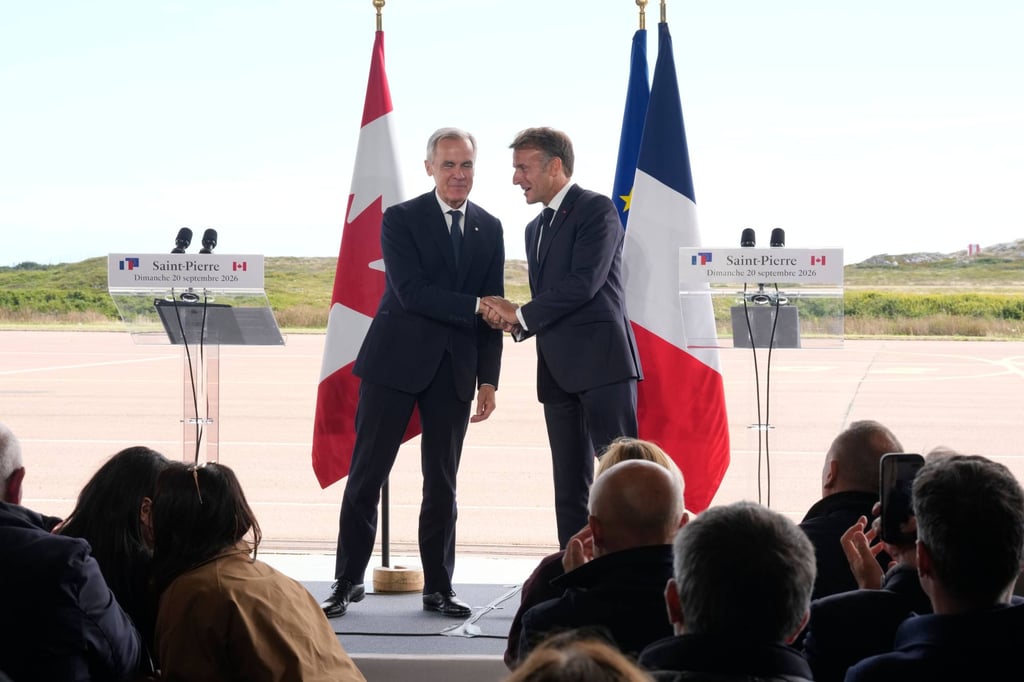
The Trudeau generation had to confront the Soviet threat. This generation faces the Russian threat. In September, Carney met the French president on Saint-Pierre and Miquelon, a windswept French archipelago of about 5,500 people. It was the first official visit to the islands by a Canadian prime minister. The meeting followed a September 7 social media post by Trump displaying an American flag draped across North and Central America, the Caribbean and the north Atlantic.
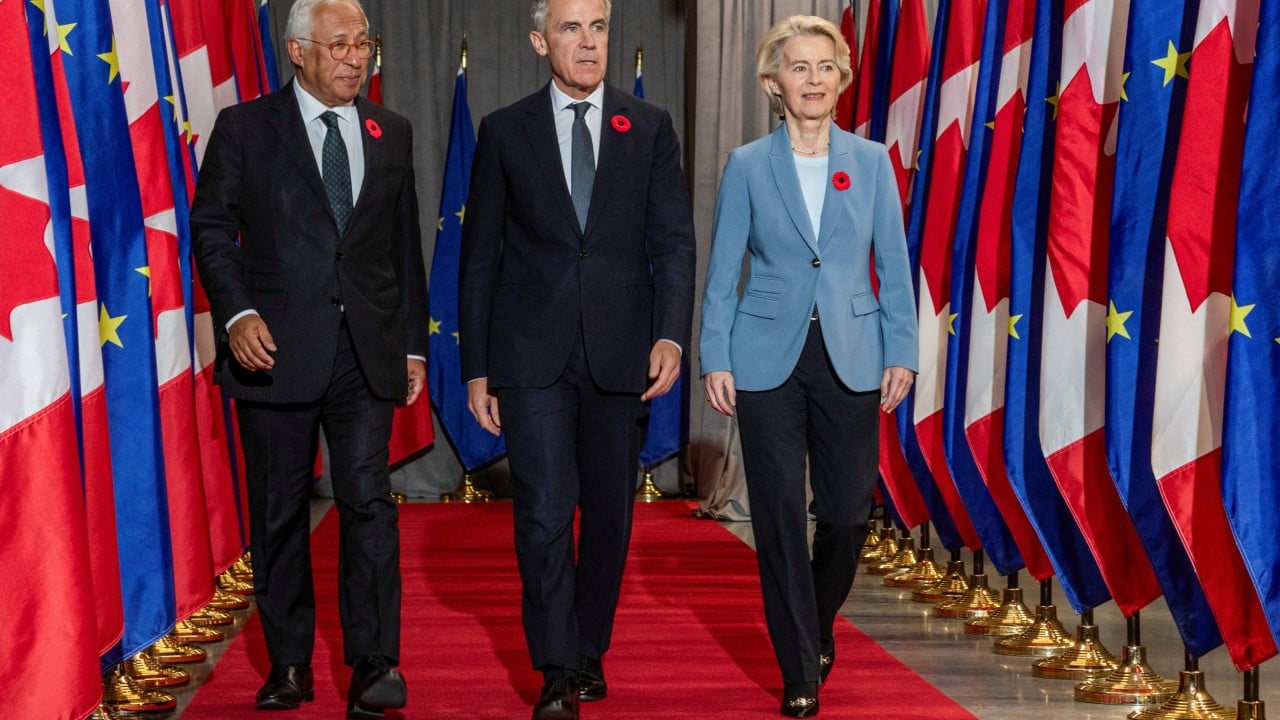
Last week’s Canada-EU summit in Montreal gave that symbolic island meeting more substance. Ottawa and its European partners want to cooperate on defence, critical minerals and manufacturing. The Starlink fiasco in Ukraine has given both sides an impetus to look for alternatives to US technology.
The two could not agree on what to call their partnership, though. Von der Leyen’s offer of “associate membership” was removed from the joint declaration after Germany objected that the phrase was legally meaningless. The text now speaks of “ever closer association”.
Can Canada mend its relationship with China?
But if the name does not matter, as Carney says, trade does. Nine of the EU’s 27 member states have yet to ratify a decade-old trade deal with Canada, the Comprehensive Economic and Trade Agreement. The US takes about 70 per cent of Canadian exports, while the EU makes up only about 9 per cent of Canada’s total trade.
The optimist can argue this leaves much more room to expand trade. The pessimist will point out that Canada cannot escape North American geography. After highly acrimonious negotiations, there is still no Canada-US trade deal in place. Trump previously called the EU’s proposal to make Canada an associate member “laughable” and said that if he interpreted the move as a “hostile act”, the US might stop trading with Europe “on many things”.
Canada’s pursuit of partnership with Europe is sensible, but Washington sees it as a provocation. As the world order crumbles, Canadian history repeats itself – hopefully not as farce.
KioskNews shows a cleaned-up reading view extracted from the publisher’s page — the original always lives on their site, not ours.