EU plans 50 billion euro investment in AI, quantum computing
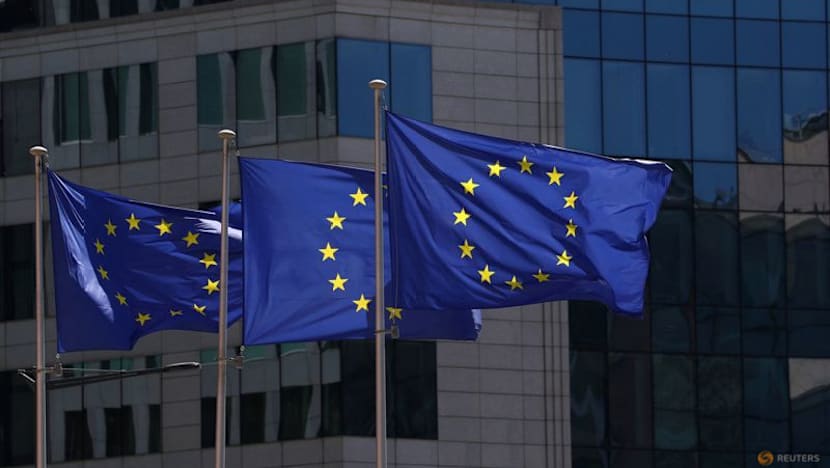
BRUSSELS: The European Union (EU) announced on Wednesday (Nov 25) plans to earmark up to 50 billion euros (US$55 billion) to boost artificial intelligence and quantum computing in Europe, as the bloc seeks to avoid losing further ground to the United States and China in advanced technologies.
The fund would "ensure access to innovative funding instruments, not only for quantum technologies, but more widely for all critical technologies which are necessary to our tech sovereignty and economic security," EU tech chief Henna Virkkunen told a press conference at the European parliament in Strasbourg.
"We want to build a fund and our target scale is now 50 billion euros," she said, calling it a "sufficient starting point".
Virkkunen unveiled the officially named "Sovereign Tech Equity Fund" as she presented new rules to bolster quantum development in Europe.
Both the rules and fund are part of the bloc's broader efforts to cut dependency on US and other non-European technologies.
Quantum technology harnesses the power of quantum mechanics - laws that govern how physics operates at atomic and sub-atomic scales - to solve certain problems much faster than traditional computers.
The EU expects the impact of quantum computing to be "catalytic" in several areas, leading to breakthroughs on drugs, earlier medical diagnoses or super-efficient batteries. Quantum could even accelerate AI development.
The new rules will push public authorities to favour European businesses for public money over non-EU firms.
But Virkkunen said Europe remained open to working with "like-minded international partners" in the quantum field.
"This is not a blanket requirement that every component be manufactured in the EU," the European Commission said.
The law would be adopted after negotiations between EU states and parliament.
LIMITED CAPITAL
Europe says it wants to be a global leader in quantum computing by 2030.
The bloc is already a world leader in quantum research but lags in translating this into viable commercial opportunities.
"Our industrial ecosystem is fragile due to fragmented support across the member states and also lower access to private capital compared to USA and China," Virkkunen said.
Quantum start-ups in Europe currently attract only five per cent of global private funding compared to 50 per cent in the United States, she said.
The EU says future benefits from quantum advances could include more secure communications for military and national security operations, or helping to develop more advanced defence equipment.
Despite its potential, quantum technologies also pose cybersecurity risks, such as breaking encryption and other systems protecting digital data, at a time when AI and cyberattacks are rattling governments and companies.
The European Commission last week said an AI-assisted cyberattack hit its systems in October, which came after hacks on store freezers across Europe that resulted in huge losses of food.
KioskNews shows a cleaned-up reading view extracted from the publisher’s page — the original always lives on their site, not ours.