As Trump eyes ending $4B in aid in 2026, Israel must ask: Is it ready for independence? - editorial
Israel must expand domestic production of ammunition, interceptors, and other critical systems. It must invest in research and strengthen its industrial capacity.
Israel should become less dependent on American military aid. But independence cannot be declared into existence. US President Donald Trump’s announcement that he intends to end nearly $4 billion in annual assistance by the end of 2026 raises a simple question: Is Israel prepared?
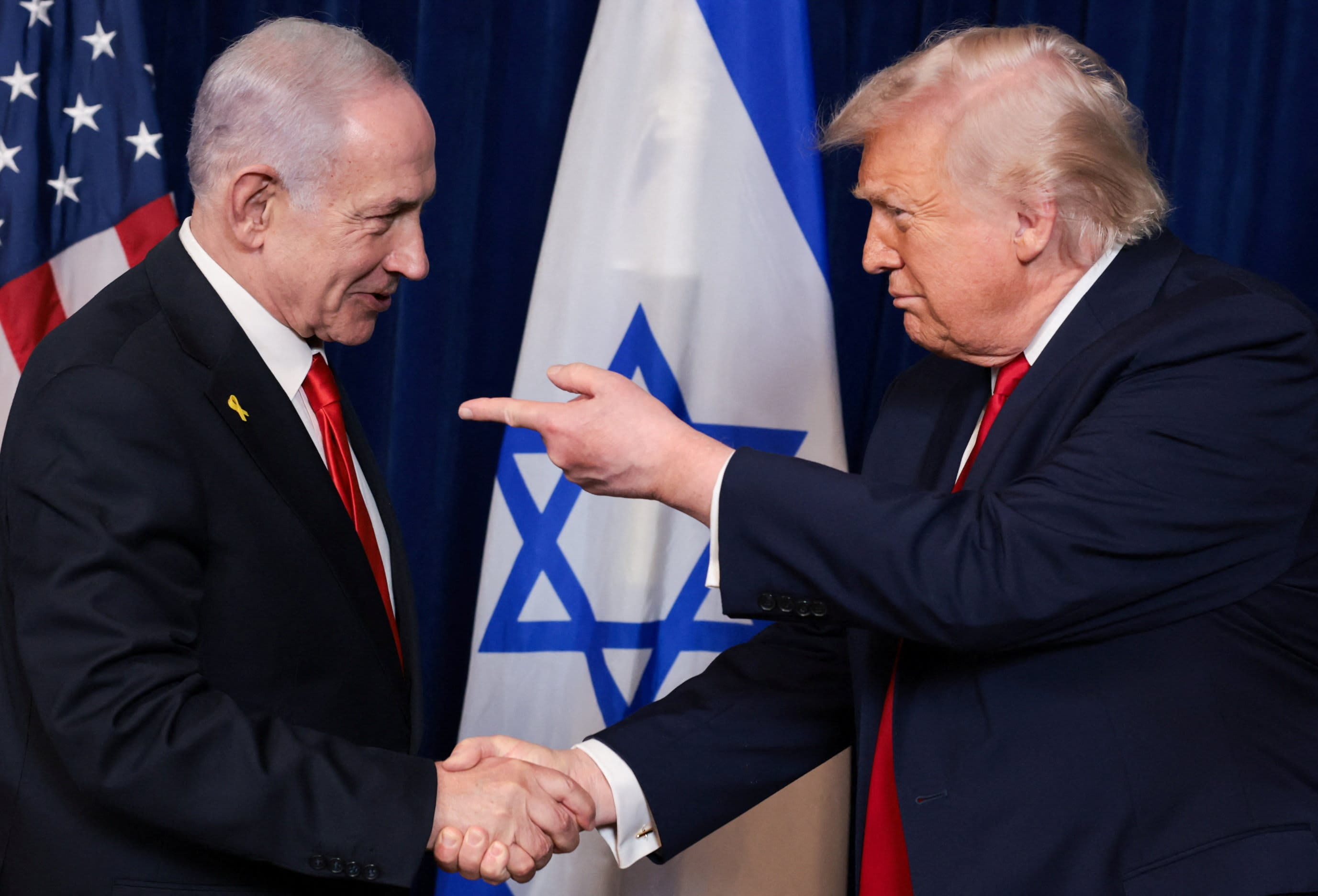
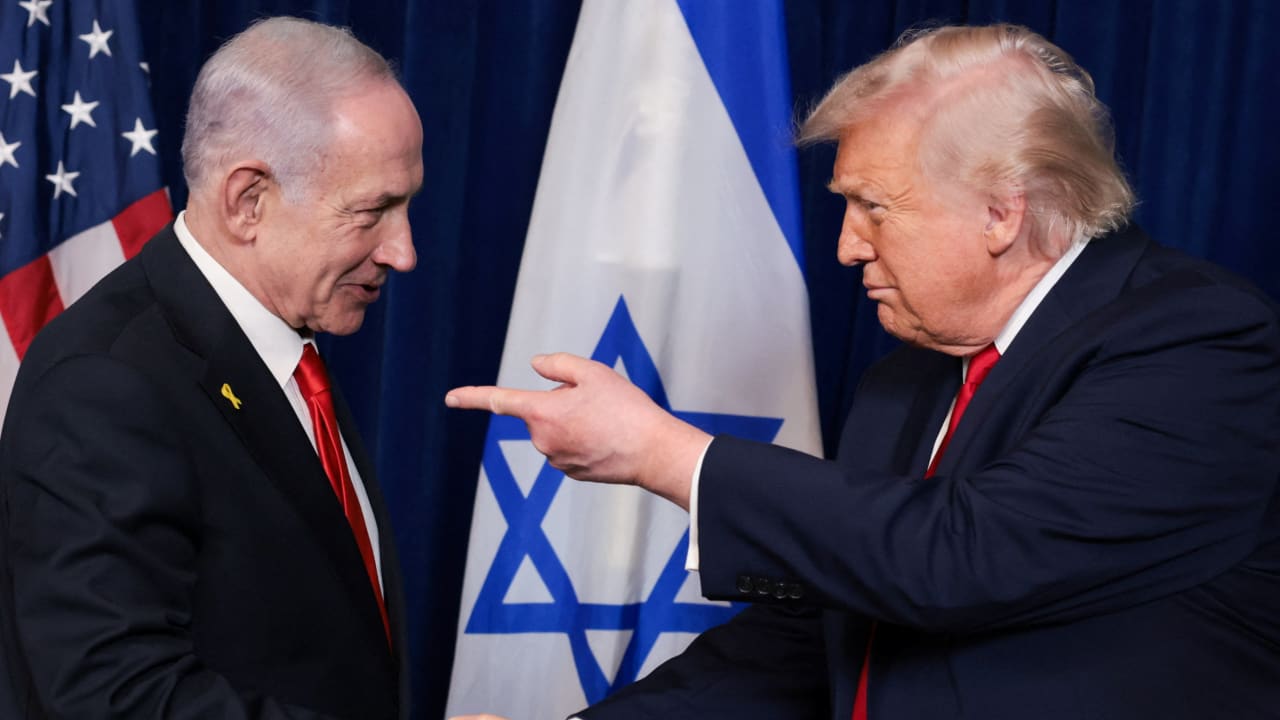
Speaking Tuesday, Trump said he and Prime Minister Benjamin Netanyahu had agreed to terminate the assistance. Israel, he argued, had become sufficiently prosperous to manage without it.
There is merit to that argument. Israel no longer depends on foreign assistance for survival. It has developed a sophisticated defense industry, a powerful economy, and technological capabilities that contribute to American security.
Netanyahu proposed phasing out American military assistance over the next decade in January and again in May. That was a reasonable ambition. Ending it in two months is another matter. What changed, and what preparations have been made to ensure Israel’s security does not suffer?
The existing memorandum of understanding, signed in 2016, provides $38b. in American military assistance through fiscal year 2028. That includes $3.3 b. annually in military financing and $500 million for joint missile-defense programs.

Agreement unclear, Congress still holds sway
The agreement provided predictability. Defense procurement is not conducted one year at a time. Fighter aircraft, missile interceptors, precision munitions, and other systems require years of planning, production, and delivery.
It is unclear what Trump and Netanyahu agreed upon. Netanyahu has not publicly explained the arrangement, and Trump has offered few details about ending an agreement that runs through 2028.
Congress also has a role in determining American military assistance. A presidential declaration does not automatically resolve the legal and budgetary questions involved.
Israel deserves answers
Israelis deserve answers. What commitments have been made? Which contracts would be affected? What would replace the assistance? And why was such a consequential decision reached without public discussion?
These are questions of national security, not pride.
Israel has good reasons to pursue greater defense independence. The war following October 7 demonstrated the dangers of relying on foreign suppliers for essential military equipment. Delays in weapons deliveries exposed vulnerabilities that no responsible government should ignore.
Israel must expand domestic production of ammunition, interceptors, and other critical systems. It must invest in research, strengthen its industrial capacity, and ensure its armed forces can sustain prolonged operations without depending on decisions made abroad.
But independence cannot be achieved simply by refusing assistance. Ending American funding would not end Israel’s dependence on American aircraft, spare parts, precision munitions, or advanced military technology. Replacing American grants with Israeli purchases would increase Israel’s costs without necessarily reducing its dependence on American suppliers. Genuine self-reliance means having the industrial capacity, financial resources, and strategic flexibility to defend itself when outside assistance is unavailable.
Replacing billions in annual American assistance would place new demands on Israel’s defense budget, potentially requiring higher taxes, additional borrowing, or cuts to healthcare, education, and infrastructure.
Assistance more than a financial transfer
American assistance is more than a financial transfer. Much of it supports purchases from American manufacturers, benefiting American industry while strengthening Israel’s military capabilities.
The relationship also encompasses intelligence sharing, joint research, missile defense development, and operational coordination.
Israel’s security partnership with the United States serves both countries. It should not be reduced to an annual invoice.
Nor should Israel ignore the politics surrounding Trump’s announcement. American support for Israel has become increasingly contentious, particularly following the war in Gaza. Trump spoke on the day of the American midterm elections, amid growing domestic pressure surrounding assistance to Israel.
Israel cannot afford to lose support
That should concern Jerusalem. Israel cannot afford to lose the bipartisan American support that has been a cornerstone of its security for decades.
The answer is not to abandon the partnership. It is to modernize it.
Israel should negotiate a gradual transition toward greater self-reliance, investing in domestic production while expanding joint research and defense cooperation with Washington. A credible timetable should identify which capabilities Israel can develop independently and which will continue to require American cooperation.
That requires planning and consultation.
Netanyahu must explain what has been decided and present a credible strategy for financing Israel’s future defense needs.
Israel should welcome the day when it no longer requires American military aid.
It should not confuse reaching that destination with announcing that it has already arrived.
KioskNews shows a cleaned-up reading view extracted from the publisher’s page — the original always lives on their site, not ours.