‘Neutrino Man’ Francis Halzen wins Nobel Prize in Physics
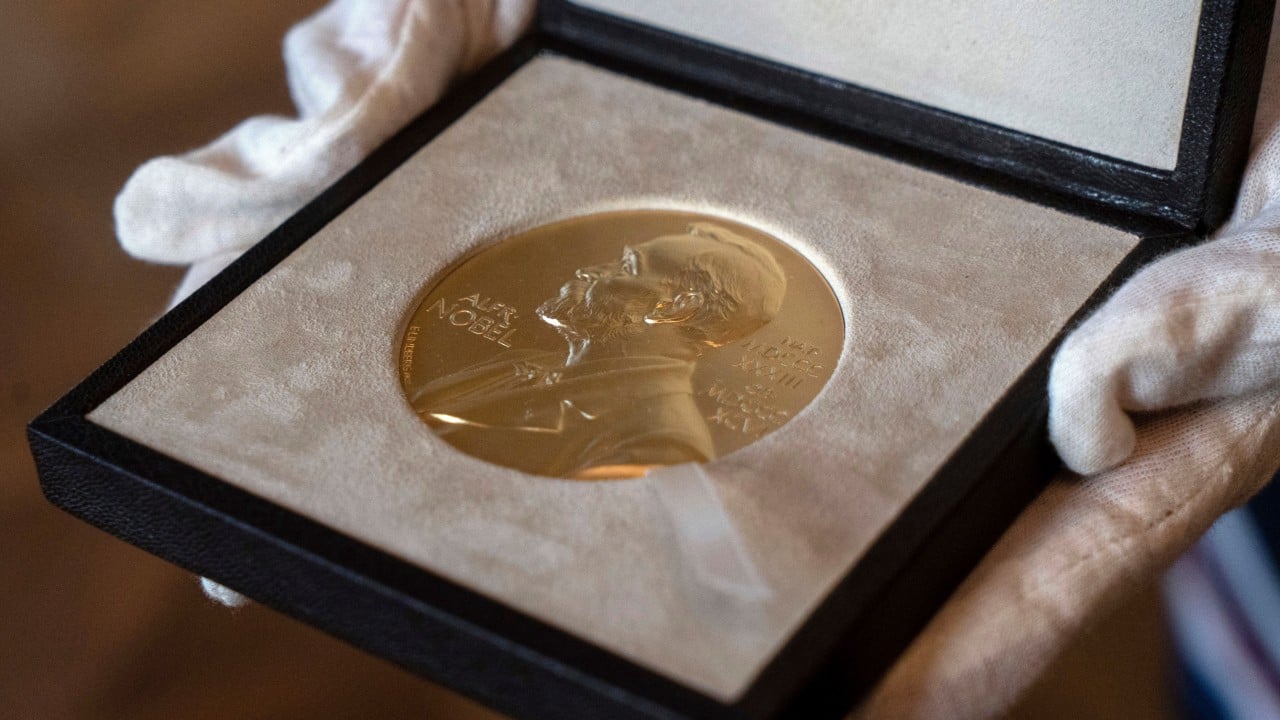
The winner of this year’s Nobel Prize in Physics is Francis Halzen.
The scientist was honoured for “decisive contributions to the IceCube Neutrino Observatory and the discovery of high-energy neutrinos of astrophysical origin”, the Royal Swedish Academy of Sciences in Stockholm said on Tuesday.
Born in Belgium, the 82-year-old Halzen is affiliated with the University of Wisconsin–Madison in the United States.
The award is the second Nobel of the season.
On Monday, the Medicine Prize was awarded to three scientists whose work led to a tool that uses light to help unravel how the brain works.
The Nobel Prizes were established by Swedish inventor and philanthropist Alfred Nobel (1833–1896). In his will, Nobel stipulated that the prizes should recognise those who had “conferred the greatest benefit to humankind”. Physics was the first category mentioned in his testament.
Last year, the Physics Prize went to Briton John Clarke, Frenchman Michel Devoret and American John Martinis for putting quantum mechanics into action and enabling the development of all kinds of digital technology from mobile phones to a new generation of computers.
The prize money this year is 12 million Swedish kronor (about US$1.2 million), whether for an individual, small group of laureates or organisation.
Over the coming days, winners in Chemistry, Literature, Peace and Economics will be announced.
KioskNews shows a cleaned-up reading view extracted from the publisher’s page — the original always lives on their site, not ours.