InquirerClasses suspended in Pagudpud due to Typhoon RosalPunchSeven die in Gombe multiple crashEl ComercioEE.UU. e Israel preparan nuevos ataques contra Irán: instalaciones nucleares, misiles y drones en la miraRTP DesportoI Liga: Jornada abre em GuimarãesDaily MaverickClaude Monet’s ‘Iris’ becomes most expensive artwork sold at auction in France, Sotheby’s saysESPNCaleb Williams, Bears find just enough to hold off PatsThe Jerusalem PostJared Kushner's alleged secret UAE bank account was exposed by Dutch intelligence hackers - reportBollywood HungamaMadhur Bhandarkar announces Syama – The Missing Chapter on Dr. Syama Prasad MukherjeeInquirer EntertainmentQCinema 2026 unveils lineup, Bianca Umali’s ‘Ella Arcangel’ is opening filmColliderBill Skarsgård's R-Rated Action Remake Is Officially Taking Over the WorldDeadlineMeghan Markle “Deeply Distressed” Over Allegation Her Father Possessed Child Abuse ImagesNDTVTo PM Modi's "Failed Product" Jab At Rahul Gandhi, A Shashi Tharoor Counter
The Daily Newsstand · Free, Always
Friday, October 23, 2026

Paper straws worse for the environment than plastic, South Korea study finds
Translate

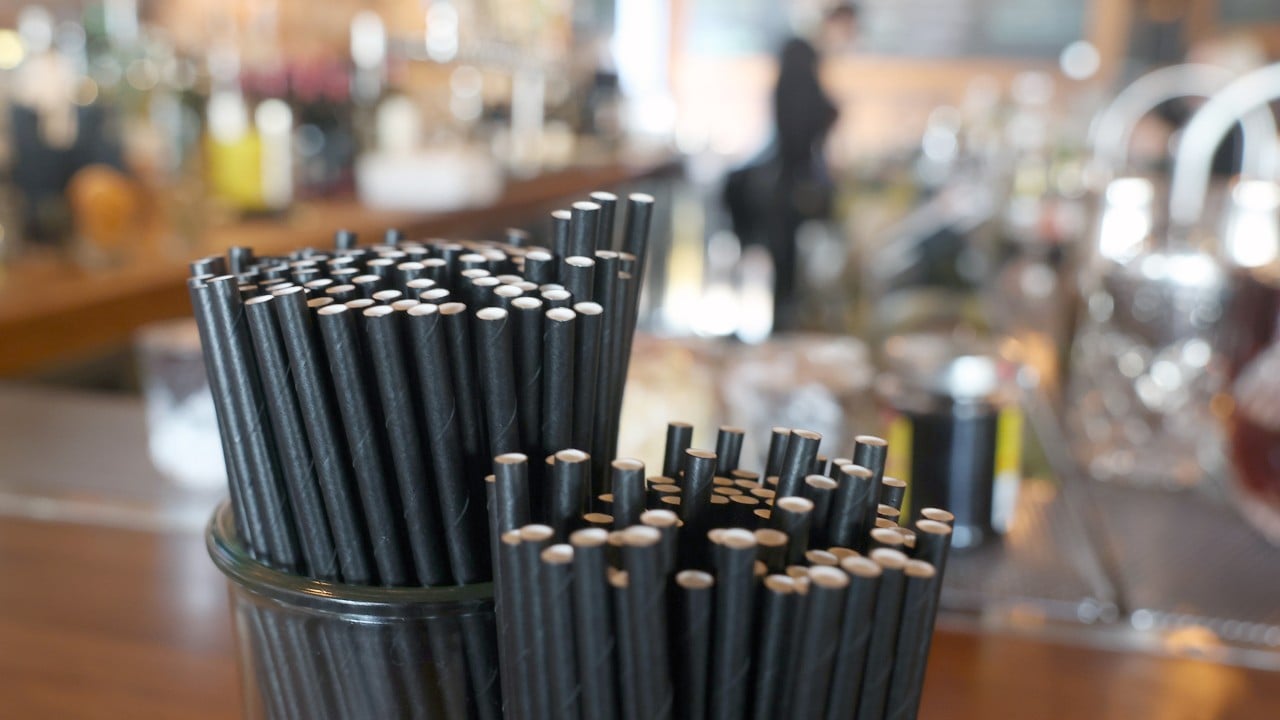
Paper straws, widely promoted as an eco-friendly alternative to plastic, may actually have a greater environmental impact than conventional plastic straws, according to a South Korean government-commissioned study that has renewed debate over whether switching materials truly reduces waste.

The Comprehensive Study on Single-Use Straws, commissioned by South Korea’s Ministry of Climate, Energy and Environment, was disclosed on Wednesday by opposition People Power Party lawmaker Kim Wi-sang, The Korea Herald reported.

The study found that paper straws had 6.33 times the carcinogenic impact of conventional plastic straws. That figure measures the potential cancer risk from emissions across a product’s entire life cycle – from raw material production to disposal – rather than health risks from direct use.

View the original on South China Morning Post →

KioskNews shows a cleaned-up reading view extracted from the publisher’s page — the original always lives on their site, not ours.