Why protecting home values is Beijing’s new priority
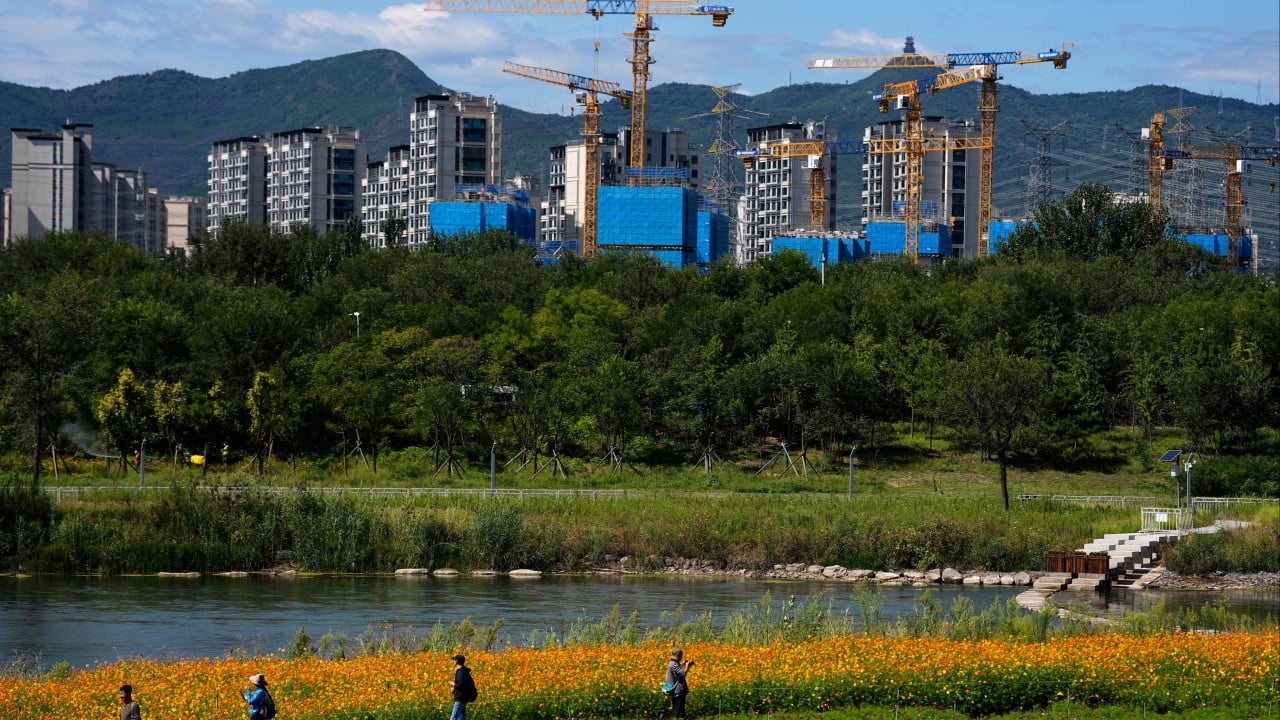
For decades, China’s property sector was defined by spectacular scale: farmland transformed into suburbs, skylines rising across regional hubs and, more recently, the prominent unravelling of heavily indebted developers. Yet beneath those dramatic changes, a far quieter and more consequential transformation is taking shape.
Official figures published by the National Bureau of Statistics in September reveal that secondary market home transactions have surpassed new residential builds in volume. Nationwide registered resales reached 549 million square metres, signalling that housing demand in China has not vanished. Rather, it appears to have structurally migrated.
This marks a departure from the previous growth model. For a quarter of a century, following the end of the old welfare housing system in 1998, China’s property market operated on a high-velocity loop: developers acquired municipal land, pre-sold unfinished apartments, collected buyer cash and funnelled those advances into their next projects. That mechanism turned residential construction into the primary economic engine of the country.
That engine is now losing momentum. What is emerging is not merely a smaller version of the old market but a different market altogether. The centre of gravity is shifting – from developers selling a promise of tomorrow to households trading the homes of today.
KioskNews shows a cleaned-up reading view extracted from the publisher’s page — the original always lives on their site, not ours.