If Hongkongers’ support for Legco is waning, it isn’t just lawmakers’ fault
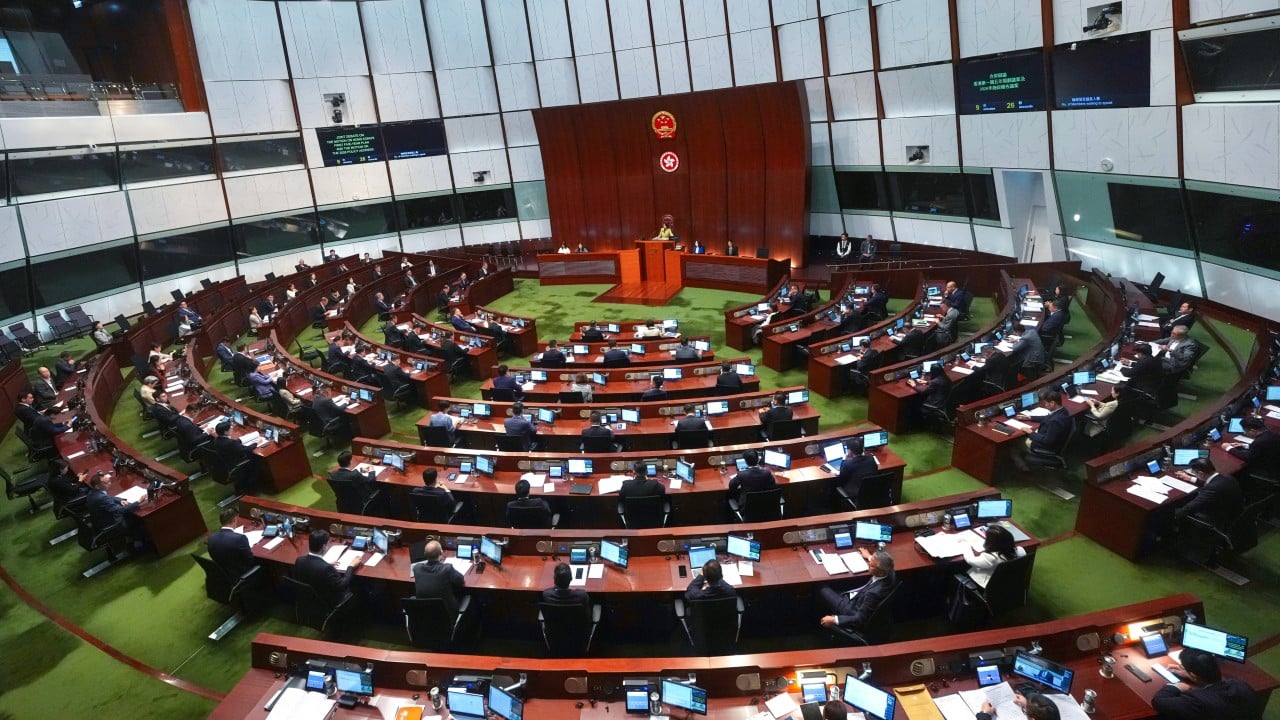
Rita Fan Hsu Lai-tai, Hong Kong’s first post-handover Legislative Council president, recently dropped a political bomb. She revealed that one of her friends had been telling her that a legislature with 90 seats costs a lot more than one with 60 and that “I kind of agree with that”.
The basic maths behind the statement cannot be refuted: 60 is two-thirds of 90. Even though Fan didn’t bring up the topic herself – she was asked the question by the host during a radio show – it was shocking that a political veteran of her calibre would suggest considering the reduction of Legco seats to cut costs.
Funding is not the main issue at play here. Reducing the discussion to dollars and cents does not properly address the real problem, which is public perception.
First, a quick breakdown of how we arrived at the current number of Legco seats. The legislature expanded from 60 to 70 seats for the 2012-16 term. This was part of the 2010 constitutional and electoral reform package, which also increased the number of Election Committee members from 800 to 1,200.
Naturally, there was a cost to adding 10 more seats to the council, but the addition was seen as worth it. Then, the 2021 electoral overhaul took the number of Legco seats from 70 to 90 and completely reconfigured Legco’s composition.
There is a gap between public expectations and the perception of how lawmakers are performing their roles and duties. Fan did touch on this in her interview, pointing to the personal conduct of lawmakers and stressing that they should always behave with caution and avoid breaking the law, however minor the infraction. She cited recent misconduct by Legco members. “Lawmakers should not only convey the thoughts of residents but also serve as role models for them,” she said.

It is true that misconduct by Legco members erodes public trust in them. Without that trust, the council’s perceived value diminishes. Lawmakers have been embroiled in legal troubles and controversy before, though, and reducing the size of the legislature did not come up.
Answering why Legco’s size and cost are now an issue requires considering something beyond personal conduct. The skirmishes inside the chamber that used to make news have dissipated with this better-behaved, more patriotic Legco, so the most largely mundane work lawmakers do goes unnoticed.
Incidents like the recent one at a district office of two lawmakers are more likely to garner headlines. A disgruntled resident reportedly threw red paint at the joint office because the lawmakers were “being unhelpful”. Such an episode leaves a greater impression on the public than lawmakers praising one of their own for being well-spoken, which also recently made the news.
A survey last year by the PoD Research Institute found that only 29.6 per cent of respondents expressed satisfaction with Legco’s performance while 50.6 per cent were dissatisfied. While we don’t need fights to return to the legislature’s chambers, we do need to know that quality debate is taking place and that our lawmakers are making constructive contributions to the city. That means doing more than just airing any idea that comes to their minds.
03:35
‘Only patriots’: Hong Kong set for first Legco polls since Beijing’s overhaul of electoral system
One noteworthy bad example of late is the suggestion to hold a Mark Six lottery for families of newborns to help boost the city’s anaemic birth rate. Legislator and former police officer Joe Chan said last month that the government could collaborate with the Hong Kong Jockey Club to set up a Mark Six-style award ranging from HK$1 million (US$127,000) to HK$4 million for newborns.
Two years ago, lawmaker Bill Tang Ka-piu had suggested that displaying photos of babies in government offices would encourage more civil servants to have children. These are not valuable contributions to Hong Kong’s future.
The biggest issue by far stems from the unintended consequences of how Chief Executive John Lee Ka-chiu has conducted his business with Legco. During his unprecedented speech to lawmakers at the oath-taking ceremony in January, Lee spoke at length on how he thinks legislators should do their job. That gave the impression that Legco members did not know how to do their jobs. He did not mention the legislature’s constitutional role of monitoring the government.
In addition to this, the way Lee and his team have treated lawmakers who have been critical of their policies is making it harder for the city’s legislators to carry out their work. Despite Legco having become more efficient, the public’s perception of the council has suffered as a result of the administration’s approach.
KioskNews shows a cleaned-up reading view extracted from the publisher’s page — the original always lives on their site, not ours.