France’s protests, like Hong Kong’s in 2019, risk being defined by violence
No protester sets out expecting a friend to be arrested, injured or caught in a confrontation with the police. Yet when that happens, the reasons for returning to the streets can change.
People may return not only because of the cause that first brought them out, but because they believe a friend has been treated unjustly. That is how anger becomes personal, and how a protest can move towards a dangerous cycle of action and reaction.
This is the risk confronting France. The student protests began over teacher shortages, overcrowded classrooms and deteriorating schools. But the central question is no longer simply why students took to the streets. It is whether further provocation, violence and forceful policing will allow others to define what their protests stand for.
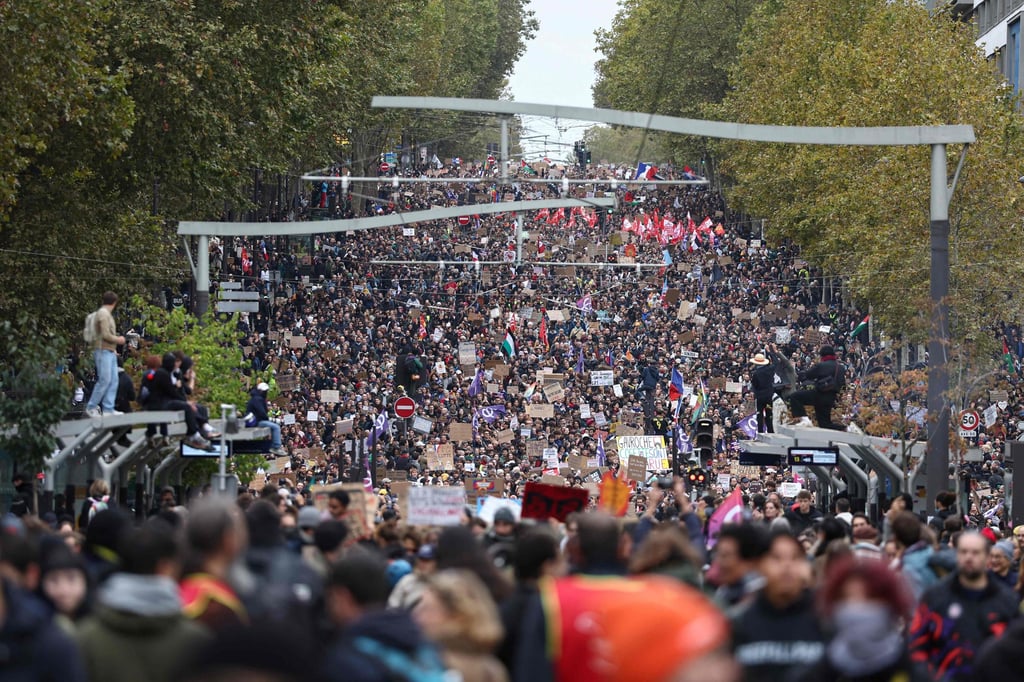
France’s Interior Ministry said about 410,000 marched across the country last Saturday, with rallies largely peaceful before clashes later in the day. Grievances extended beyond schools to wages, living costs and public services. But images of burning cars, riot police and looted shops can still push those concerns out of view.
For readers overseas, the distinction between a largely peaceful protest and isolated violence can be difficult to make. Hong Kong in 2019 was seen through a similarly fractured lens: images of petrol bombs, vandalism and confrontations travelled widely, but they did not explain the complexities.
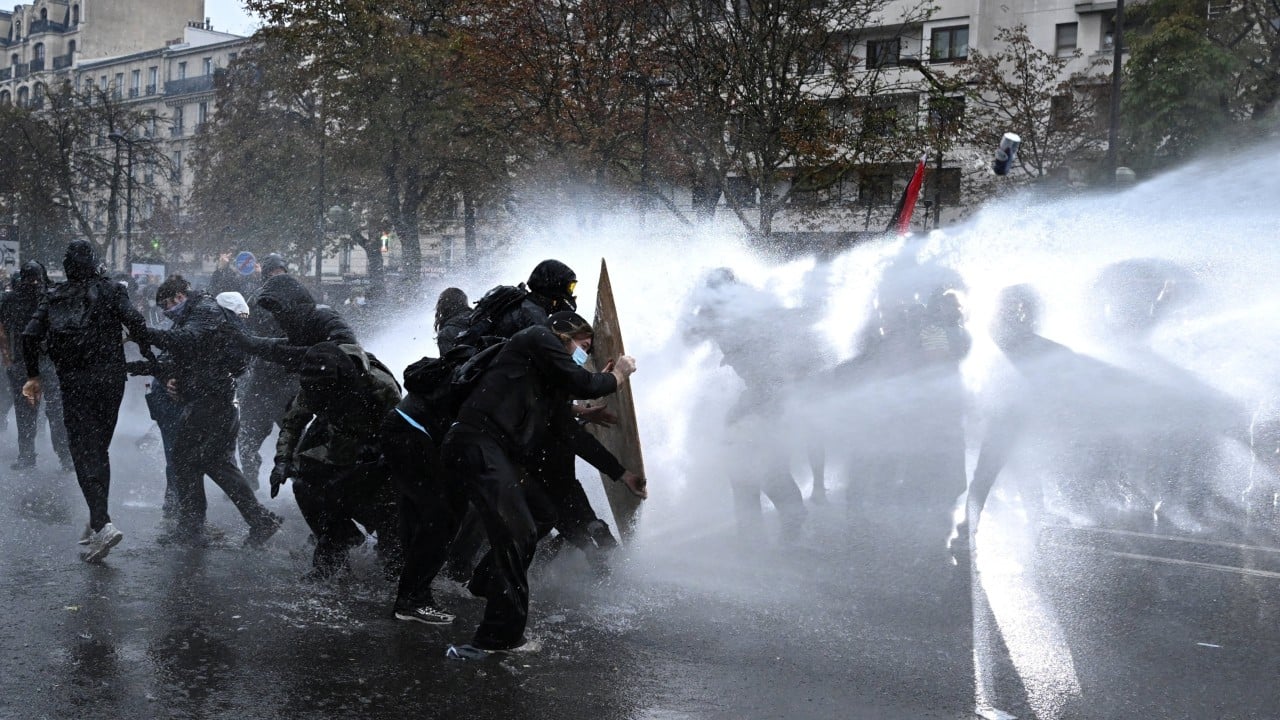
Most of the weekend’s demonstrations in France seemed peaceful, although clashes broke out in several cities. In Paris, riot police used tear gas and water cannons to disperse a group of youths. In Marseille, youths threw rocks and bottles at security forces. Those involved in violence were a minority; their actions should not define the wider crowd or obscure the concerns that brought people onto the streets.
When people feel unheard, protest can be the only way they believe they can make themselves visible. But once violence takes hold, the original grievances are easily lost. Police must protect people and property, and those who attack officers, loot or intimidate others should face the consequences.
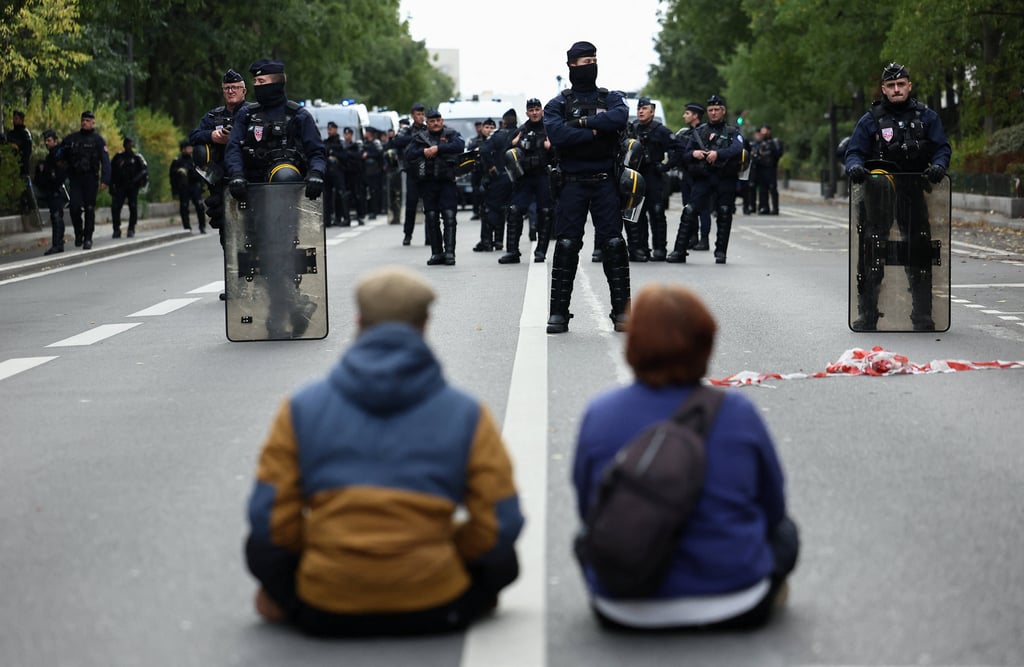
France’s deployment of 70,000 police and gendarmes, backed by specialist units, armoured vehicles and water cannon, shows the scale of official concern. Such preparedness may be necessary to deter violence, but it must be matched by restraint and careful judgment.
The approach of the presidential election next year may partially alter the political tone, but it will not necessarily ease the pressures. The gap between what protesters want now and what any government can deliver may become a source of frustration.
That is why it is important not to let those who want only confrontation take over the argument. The next government may inherit the consequences, but a cycle of arrests, retaliation and violence can make underlying pressures far harder to resolve.
At the same time, law and order are not served by treating every demonstrator as a threat or by using excessive or arbitrary force that can deepen resentment and escalate tensions. In France, injuries to teenagers and allegations concerning the use of riot-control measures have drawn public criticism and heightened scrutiny.
The point is not to prejudge individual incidents or excuse violence by protesters. It is to recognise the danger of escalation. For someone who sees a friend being arrested or someone struck or injured, crowd control is unlikely to feel like an abstract matter.
Online, the unrest has also been portrayed in ways that have little to do with protesters’ original demands. Misleading images can harden positions before the facts are clear. The problem is not simply whether a clip is genuine, but whether it is used to make an entire movement, police force or community appear guilty by association.
Hong Kong’s unrest in 2019 showed how quickly protests can be swallowed by confrontation.
Allegations of excessive police force were widely documented, while police faced serious violence, including attacks on officers, petrol bombs, vandalism and attacks on public facilities, as well as doxxing. The protests became increasingly violent and disruptive.
The more such scenes were replayed, the harder it became for either side to step back. The danger was not just disrupted transport or closed shops. With each night of tear gas, fires and panic, there was always the fear someone would be seriously injured – or killed.
Once confrontation itself becomes the purpose, everyone is at greater risk: students, police officers, commuters, shopkeepers and families waiting for someone to get home safely.
In France, if violence takes over, the students’ reasons for demonstrating peacefully will be overshadowed, and those most willing to create chaos will define how the protests are seen.
KioskNews shows a cleaned-up reading view extracted from the publisher’s page — the original always lives on their site, not ours.