When Gokhale brought Gandhi to Garden City
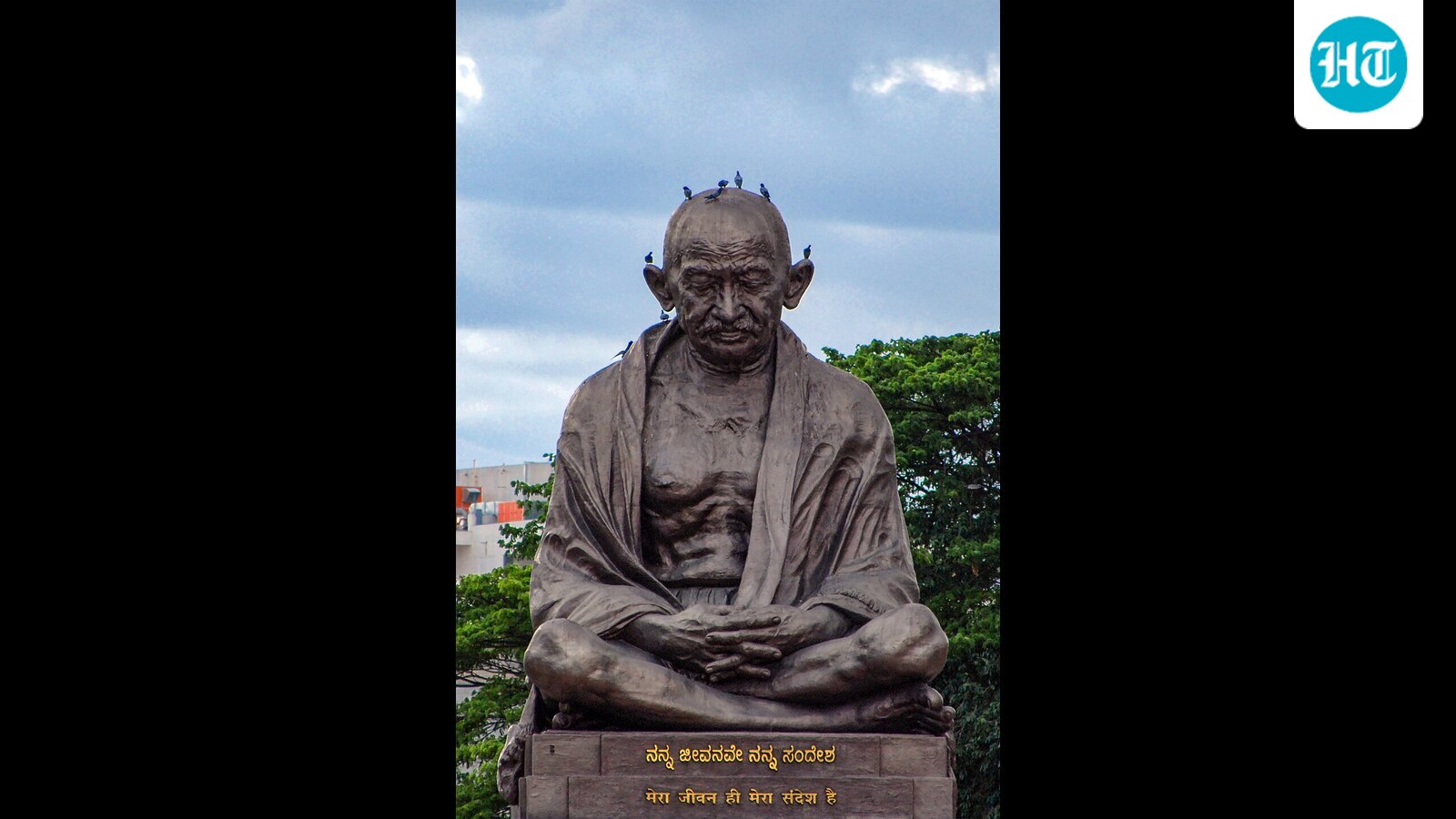
Another October rolls around, and with it, another birth anniversary of the Mahatma. Which gives us the perfect opportunity to talk about him; specifically, to tell the story of how, and when, Gandhi first visited Bangalore.
On January 21, 1914, the Gandhi-Smuts Agreement, which settled the long struggle over the rights of Indian immigrants in South Africa, was signed, bringing a satisfactory end to Gandhi’s unconventional, non-violent, 20-year resistance against the South African government. Six months later, on June 26, the Indian Relief Act became part of South African law, allowing Gandhi to finally heed his mentor, the Indian political leader and social reformer Gopal Krishna Gokhale, and return home to join the Indian National Congress’ efforts towards self-governance.
Gandhi arrived in London, where he was to meet Gokhale before heading to India, on August 4, a week after World War I broke out on July 28. Believing, rather naively, that helping the British when they were in trouble would aid India’s case for self-governance, Gandhi set up the Indian Volunteer Ambulance Corps to nurse wounded British soldiers. It was only in December that he finally boarded the steamer for India, arriving in Bombay on January 9, 1915.
Tragically, Gokhale, only three years senior to the 45-year-old Gandhi, passed away on February 19 from health complications brought on by extreme exhaustion. Downcast, but determined to honour the promise he had made his friend, Gandhi set out on a pan-Indian tour to understand the issues that people were grappling with before he launched any kind of political campaign. After spending time in Ahmedabad, Poona, Calcutta, Rangoon, Shantiniketan and Delhi, he arrived in Madras on April 17, at the invitation of the Gokhale Club of Madras, of which influential journalist and publisher GA Natesan was a prominent member.
Natesan, who in 1909 had founded the Indian South Africa League, an Indian initiative to support the struggles of immigrant Indians in South Africa with both money and advocacy, was by this time a close associate of Gandhi. Among the Indian royals who had donated generously to the cause through the incorruptible Natesan was Nalvadi Krishnaraja Wadiyar of Mysore. Naturally, when the Mysorean writer, poet, philosopher, and ardent Gokhale follower DV Gundappa (DVG) invited Gandhi to Bangalore to unveil a portrait of Gokhale and launch the Mysore Social Service League, he could not refuse.
On the morning of May 8, when Gandhi and Kasturba alighted from the first-class compartment (they had only travelled first class because Natesan, who had accompanied them, was quite unwell) at the Bangalore Railway Station, the reception committee did not at first recognize the simply dressed couple. When they did, pandemonium broke out. A gaily decorated horse carriage belonging to the president of the Bangalore Municipality, KP Puttanna Chetty, had been organised to transport the honoured guests. Enthusiastic young men even unhitched the horses and yoked themselves to the carriage instead. Gandhi demurred, asking how far his lodgings, at the Ananda Rao Circle home of a prominent Bangalore judge, were. “Half a mile,” came the reply.
“Then we shall all walk,” smiled Gandhi.
Later that morning, at the Collegiate High School (today the Government Arts College on Nrupathunga Road), Gandhi unveiled Gokhale’s portrait. That portrait hangs today at the Gokhale Institute of Public Affairs, founded by DVG in 1945. The same evening, Gandhi attended a grand public function organised by the Bangalore Municipality at the Lalbagh Glass House to felicitate him. The busy day ended with a meeting with the Mysore Diwan Sir M Visvesvaraya.
After which, Kasturba and Gandhi travelled back to Madras, brushing aside all protests by their hosts, in a third-class railway carriage.
(Roopa Pai is a writer who has carried on a longtime love affair with her hometown Bengaluru)
KioskNews shows a cleaned-up reading view extracted from the publisher’s page — the original always lives on their site, not ours.