7 Anime That Defined Toonami's Golden Age

An experienced Editor representing Canada via ScreenRant's Team Anime, J.R. has been reading manga since the first printing of Shonen Jump in North America. This passion drove him to write about anime, manga, and manhwa since 2022, having recently served as Lead Anime Editor for ComicBook.com.
His favorite moments in media coverage include reviewing the series premieres of Zom 100 and Bleach: TYBW Part 2 back-to-back and briefly meeting Junji Ito at a VIZ gallery event in 2023.
Sign in to your ScreenRant account
Growing up in the 1990s and 2000s gave audiences a vast library of high-quality, memorable animated entertainment. Some defined their tastes through seminal classics like 1992's Batman: The Animated Series, while others enjoyed the surreal bedlam of The Ren & Stimpy Show. But for many youths growing up in the era, Japanese animation was undergoing a boom, with many of anime's most definitive hits ever finding a perfect home among Western viewers. Audiences predominantly based in the United States, as well as Canada, were fortunate enough to have the Toonami programming block's anime, which encountered particular heights from 1998 to 2006.
Toonami was just coming into its own as an extension for Cartoon Network audiences during this period, generating hit after definitive hit that'd serve as a template for the tastes of their viewers for decades to come. These mostly involved what'd become the formula for shonen hits worldwide, and unsurprisingly so, as they are each known as enormously popular with lasting legacies for all of them. While none of these are particularly surprising to recognize, their legacy is undeniable and their individual stories are fascinating in helping shape what'd be Toonami's golden age in the late 1990s through the mid-2000s.
Mobile Suit Gundam Wing

Multiple incredible Gundam franchise anime aired on the Toonami block across various phases for Cartoon Network. Mobile Fighter G Gundam perhaps encapsulates the greatest battle shonen aspects of the series. Mobile Suit Gundam SEED is even arguably considered the superior of the three among general audiences. But Mobile Suit Gundam Wing was positively perfect for Toonami audiences.
Gundam Wing blended an independent storyline, positively gorgeous visuals, and a cast of characters perfect for draw in a new wave of Gundam fans who were entirely introduced through this singular anime. Featuring a group of teenage pilots as the tension Earth's oppressive United Earth Sphere Alliance and the orbiting space colonies around it reached a crucial point with the execution of Heero Yuy in the year AC 175, setting off a chain of events leading to "Operation Meteor" in AC 195. This sends five teenage boys as pilots of their respective Gundams to different colonies in isolation, yet ultimately their paths converge as the anime progresses.
Sailor Moon
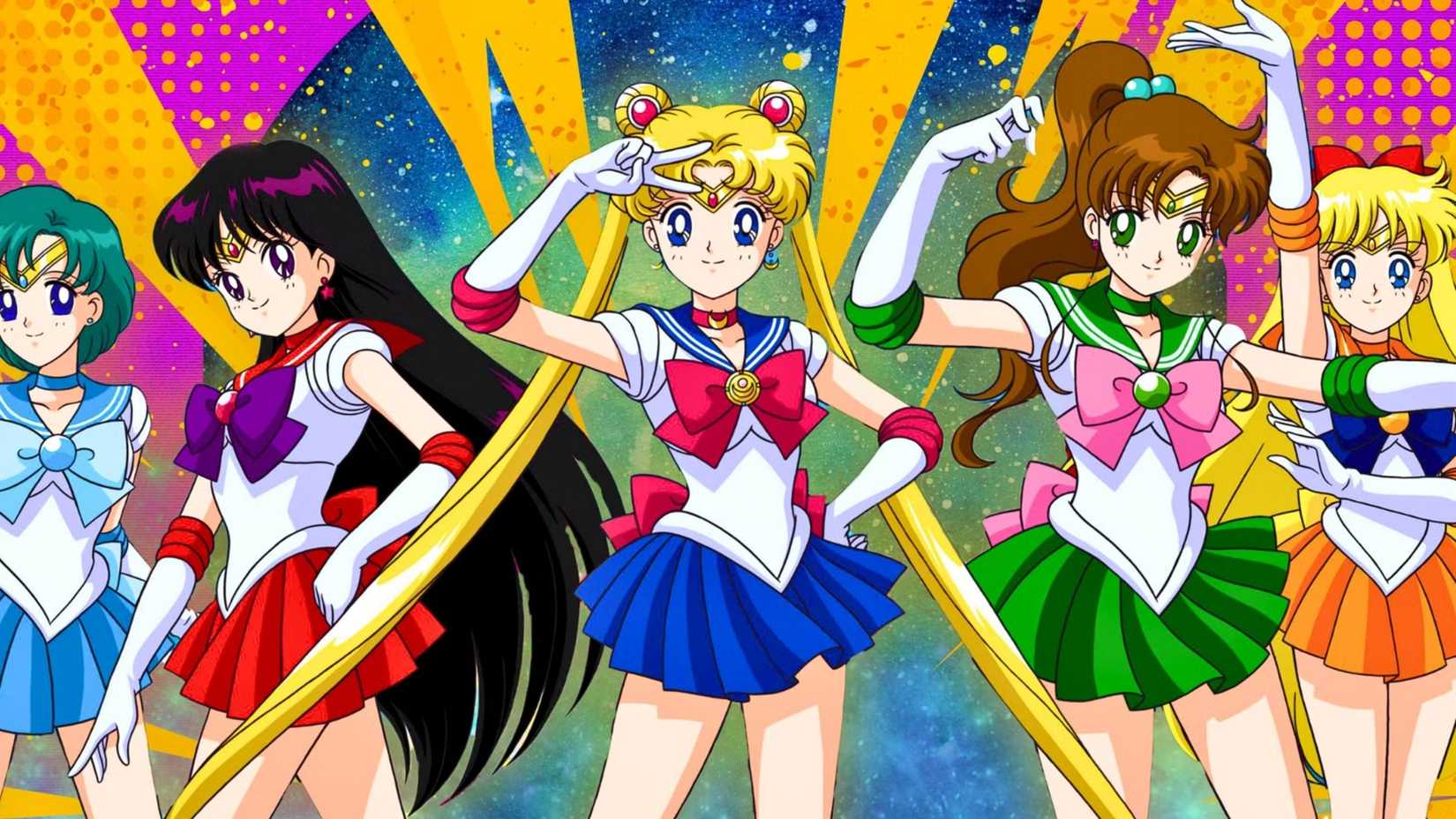
Sailor Moon is undeniably the most famous shojo anime of all time. But it may be a surprise for fans to learn it was also the first true bellwether for Toonami following its June 1998 debut, generating massive success for the block ahead of future definitive hits. It did this despite many viewers at the time not even fully comprehending its medium, or what it'd come to represent for the magical girl genre.
Airing otherwise-never-before-seen content for North American viewers outside of Canada, this was a strong entry point for American audiences to Sailor Moon. Beyond a missing portion in the Sailor Stars Arc, this anime introduced fans to the story of Usagi Tsukino (or Serena), the teenage high school girl given the power to transform into the Guardian of Love and Justice by the mysterious cat, Luna. It's undeniably iconic, has driven massive merchandise sales to push into otherwise underappreciated demographics like female anime fans, and fans got to see its hero mature from an insecure teenager carrying the toast of tardiness, as she entered the path to queenhood.
Yu Yu Hakusho

A true quintessential shonen anime, the story of Yusuke Urameshi was many Toonami viewers' first introduction to the works of Studio Pierrot, which would go on to animate iconic hits like Naruto, Bleach, Kingdom, Black Clover, and more. Yu Yu Hakusho's legacy is occasionally overlooked among modern audiences, but it also laid the groundwork for classic shonen anime and manga formulas, such as its beloved Dark Tournament Arc. It doesn't hurt that its creator, Yoshihiro Togashi, went on to marry Naoko Takeuchi, the creator of Sailor Moon, to form the greatest manga creator power couple of all time.
Focusing on the story of delinquent teenager Yusuke Urameshi after his death following an unexpected act of kindness, Yu Yu Hakusho follows his journey from revilement, to resurrection, to redemption, as he becomes the Underworld's Spirit Detective. Yusuke quickly assembles a group of allies including fellow human and bonehead Kazuma Kuwabara, as well as demons/former adversaries Kurama and Hiei. The anime technically only aired its first 88 episodes on Toonami as compared to its Adult Swim run, but Toonami's release was also far more comparatively popular among its viewership, reaching the exact youth and teen audiences the show was made for.
Cardcaptor Sakura

Originally known as Cardcaptors for much of the US and Canada, Cardcaptor Sakura was a significant entry point for fans to discover the next step in popular magical girl anime's evolution. It was animated by Madhouse, as well, producing striking visuals that unsurprisingly hold up well in the present, even if the Toonami release didn't quite enjoy the same complete run as it encountered on Kids' WB and Teletoon in Canada before.
Cardcaptors introduced much of North American viewers to the bestselling Cardcaptor Sakura manga by extension, as well as the timeless and instantly-recognizable art style of its creative team, CLAMP. It primarily focused on the young Sakura Avalon (originally Sakura Kinomoto before localization) who discovers and subsequently releases a set of cards that manifest based on elemental or conceptual abilities as created by the sorcerer Clow Reed. This event prompts the Clow's guardian beast, Keroberos, to make Sakura a Cardcaptor, as she embarks on her journey at first to capture and seal each of the Clow Cards, alongside a growing cast of supporting characters.
One Piece

As a signal of the dominance that'd follow and be felt decades later, One Piece began airing the 4Kids version most infamous for censorship, and a hilariously reviled "One Piece Rap" as its opening theme. Toonami viewers saw the different versions of this show starting in April 2005, before Funimation took over its English dubbing two years later. Since the anime's original Japanese debut in 1999, and the original manga's launch in 1997, the series has become one of the most acclaimed ongoing series with close to 1,200 episodes to its name, and the most print manga copies sold by a massive margin.
One Piece practically needs no explanation as it's growing increasingly ubiquitous among worldwide audiences, but it's still worth mentioning. The story of Monkey D. Luffy, who aspired since boyhood to become the Pirate King, follows his journey after eating the Devil Fruit that both granted him incredible abilities it'd take years to fully understand, and cursed him with the utter loss of his ability to swim.
But those living in the Great Pirate Era of One Piece show Luffy is far from alone, and in fact can absolutely thrive even with such a weakness, as various pirate crews rush to track down the legendary One Piece treasure left behind by Gold Roger, while experiencing the real horrors wrought by an oppressive World Government as time passes.
Naruto

One of the later entries for Toonami's golden era, Naruto was a stellar example yet again of the viewership after which Toonami chased: young and teenage boys. After all, the anime's inspiring tale of the 12-year-old pariah and orphan Naruto Uzumaki, carrying the Nine-Tailed Fox sealed inside him as a baby, quickly resonated with viewers as his stories first got wider recognition among anime fans through Toonami. This comes even despite the manga growing instantly popular upon appearing in the English-localized monthly Shonen Jump magazine years before.
Naruto primarily chronicles its eponymous ninja's earliest missions before his greater coming-of-age stories in Naruto: Shippuden. But even then, Pierrot expertly crafted an addicting story for Toonami viewers to enjoy, introducing multiple all-timer arcs to first-time viewers like the Chunin Exams, Konoha Crush, and even into the Sasuke Retrieval Arc, the lattermost of which still inspiring future arcs in Naruto's franchise. It's hard various surprisingly brilliant animated segments, and was the point at which most fans grow quickly enamored with their favorite characters, even if the story would truly take off in Shippuden.
Dragon Ball Z

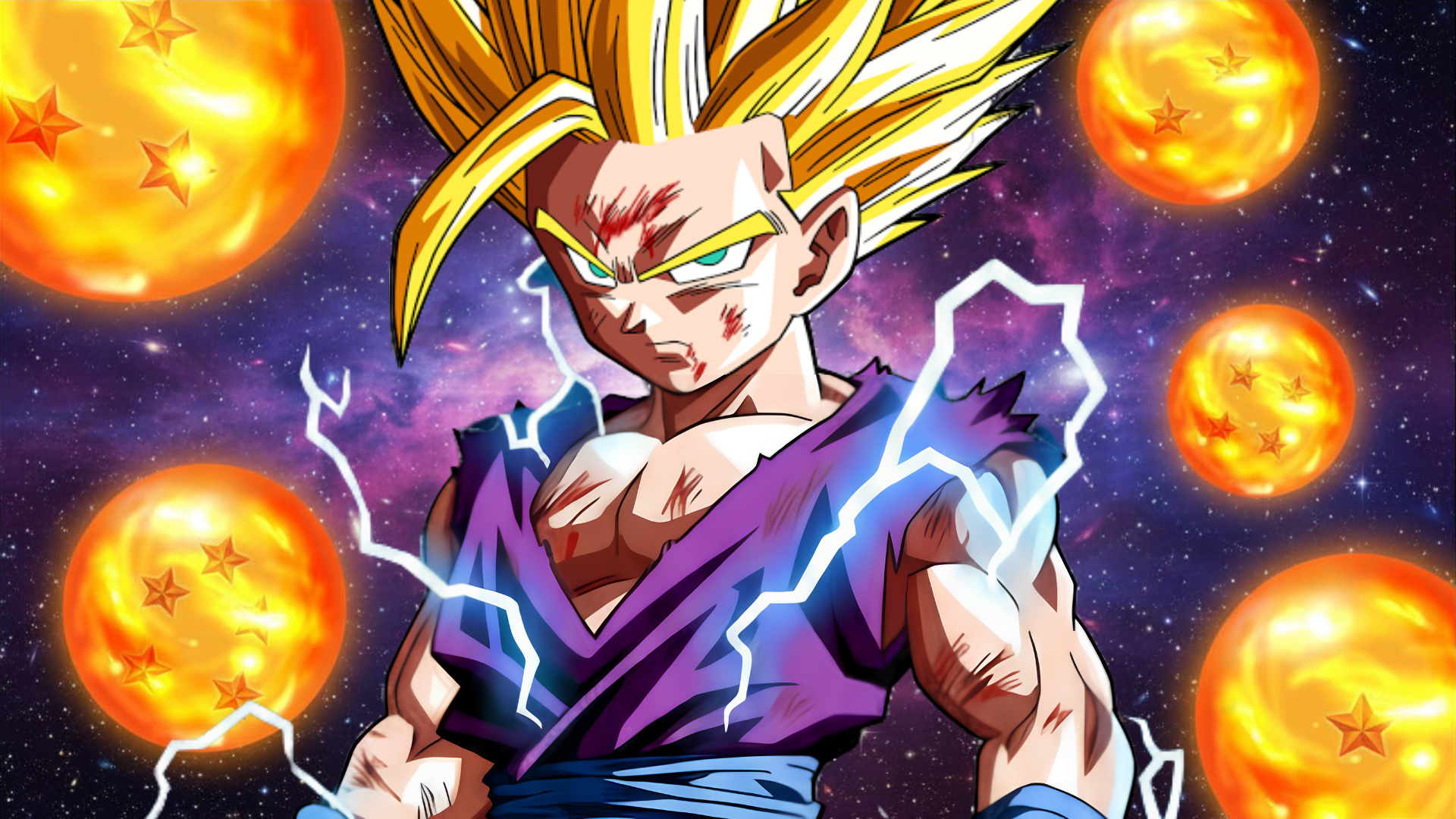
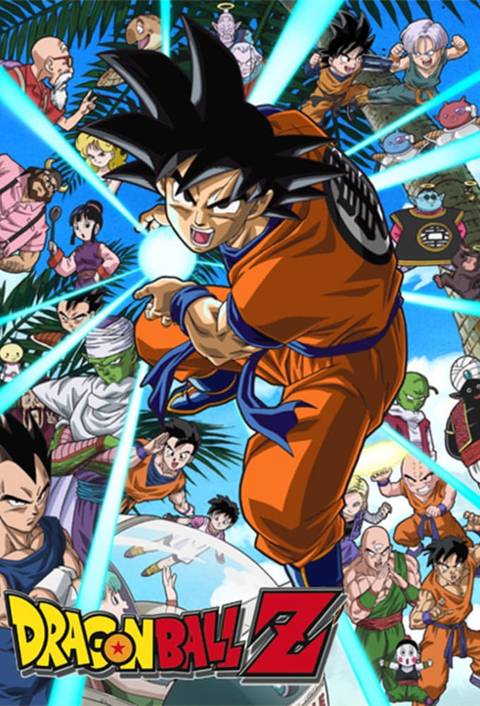
Much like Sailor Moon, Dragon Ball Z helped account for Toonami's earliest successes as part of its first iteration. Dragon Ball Z first aired on the block on August 31, 1998, and the rest was history. It quickly became the biggest anime of 1998 for the platform, with Sailor Moon staging a perfect baton pass to carry its success into the fall that year as the saga of Goku's adulthood won over fans everywhere. It'd enjoy a nearly-five-year uninterrupted run, with Dragon Ball Z's many subsequent anime films notably airing on the platform as well.
Dragon Ball Z is so iconic it practically needs no introduction. But needless to say, for many, this was the introduction to the franchise, and not its fellow Toei Animation-produced predecessor, Dragon Ball, which would only air in the middle of Z's run in 2001. It introduced a whole generation of older Gen Z and young Millennials to a world suddenly adjusting to alien presences like Saiyans, incredible power-ups, and truly legendary moments of which other shonen anime can often only dream of even emulating. For many, Dragon Ball Z simply was Toonami, and made up the sole reason for tuning in, end of story.
- Release Date
- 1989 - 1996-00-00
- Network
- Fuji TV
- Directors
- Daisuke Nishio, Shigeyasu Yamauchi, Osamu Kasai
- Writers
- Akira Toriyama, Neil Bligh, Hiroshi Toda, Katsuyuki Sumisawa, Aya Matsui, Keiji Terui, Reiko Yoshida, Toshiki Inoue
- Franchise(s)
- Dragon Ball
-

Masako Nozawa
Son Goku / Son Gohan / Son Goten (voice)
-
Ryo Horikawa
Vegeta (voice)
KioskNews shows a cleaned-up reading view extracted from the publisher’s page — the original always lives on their site, not ours.