Classified F-35 aircraft components disappear after diverted to Hong Kong from Australia - report
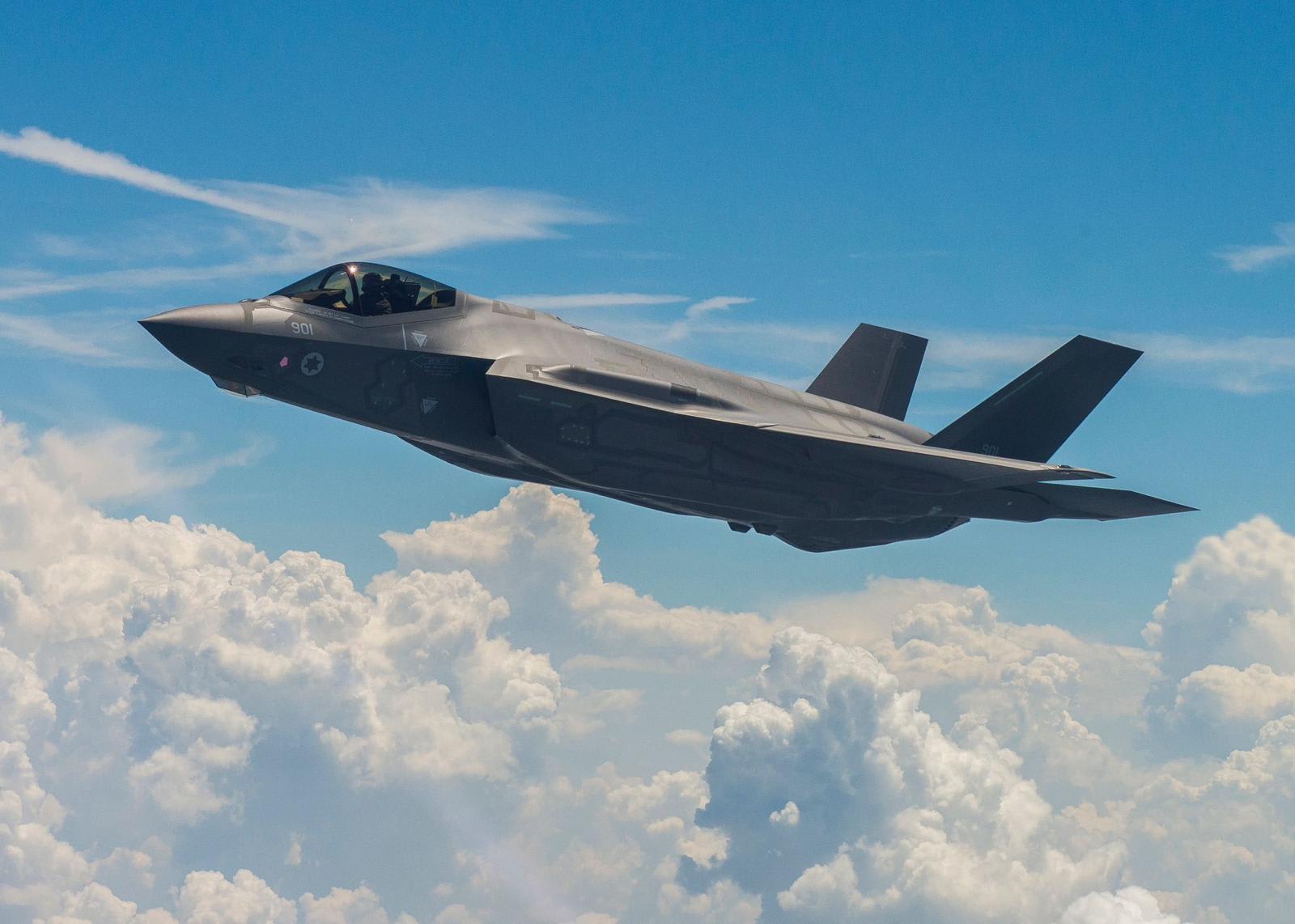
A shipment of sensitive components for the F-35 stealth fighter jets, which was on its way from Australia to the United States for repairs, was unexpectedly diverted to Hong Kong and disappeared.
The incident raised concerns that China may gain access to the highly classified technology of sophisticated US weapons, Politico reported Friday.
According to three sources familiar with the details of the case, the shipment left Australia headed for the United States. However, the flight was diverted en route to Hong Kong. It is unclear who currently holds the classified components or whether they are being transferred to Chinese authorities
A broker handled the shipment for Lockheed Martin, the maker of the F-35. The Pentagon confirmed that some of the components were missing. The Defense Department’s F-35 Joint Chiefs of Staff said it was “aware of the issue with the shipment of unserviceable F-35 Lightning II components” and that it was working with US authorities and industry partners “to recover the components, investigate the incident, and institute safeguards to prevent a similar incident from occurring again.”
According to two of the sources who spoke to Politico, the shipment included one of the aircraft’s cockpit canopies. The canopy is not just a transparent covering that protects the pilot, but a key component of the F-35’s stealth envelope.

China is trying to obtain more information about US aircraft
It is coated with a thin, transparent layer of radar-absorbing material that helps reduce the aircraft’s signature and hide it from enemy radar systems.
Access to the canopy could allow a rival country to examine its materials and production methods, compare them with information already collected through intelligence means, and even attempt to reverse-engineer the technology.
“It’s no secret that China is aggressively trying to obtain information about the F-35 through electronic espionage and other means. Even if they already had specifications or other information about the component, having a real item can provide them with additional information and verify or refine what they’ve already learned,” said JJ Gertler, former member of the House Armed Services Committee and a military aviation expert at the Congressional Research Service.
The previously undisclosed incident led to a series of briefings for staff members of key national security committees in Congress. Representatives from the State Department and the Pentagon held the first briefing in June, and additional briefings are expected in the coming weeks, according to Politico’s sources.
The transfer of components to Hong Kong is of particular concern in Washington due to China's tightening control over the city in recent years. Chinese national security laws give Beijing authorities extensive influence over what happens in Hong Kong and the ability to access equipment within its borders.
US State Department declined to comment
The Chinese Embassy in Washington said it was unaware of the incident. The US State Department declined to comment. Lockheed Martin said it could not discuss the status of shipments for security reasons, but stressed that it complies with all US regulations for the transfer of aircraft components. “Our teams handle each shipment with the utmost care and safeguards to ensure the integrity of the F-35 program and the security of our allies,” the company said.
The F-35 supply chain is a complex global system that relies on facilities in many countries to manufacture, transport, and repair parts. There are maintenance centers for the aircraft in Australia, but none of them are yet capable of repairing the cockpit canopies. That is why the canopy had to be shipped to the United States.
The countries participating in the program, including the United States, Britain, Australia, Denmark, Norway and Poland, use a shared global pool of spare parts. The components remain the property of the US Department of Defense until they are installed on the aircraft, but it is Lockheed Martin and not the Pentagon who manage information about the parts’ movements.
A 2023 report by the US Office of the Comptroller found that more than a million F-35 spare parts had gone missing in the five years prior to its release. The report said the Pentagon could not verify the loss of parts worth tens of millions of dollars because Lockheed Martin and prime contractors held the relevant information.
KioskNews shows a cleaned-up reading view extracted from the publisher’s page — the original always lives on their site, not ours.