Hong Kong’s Exchange Fund earnings tumble 74% as HKMA warns of more market turbulence
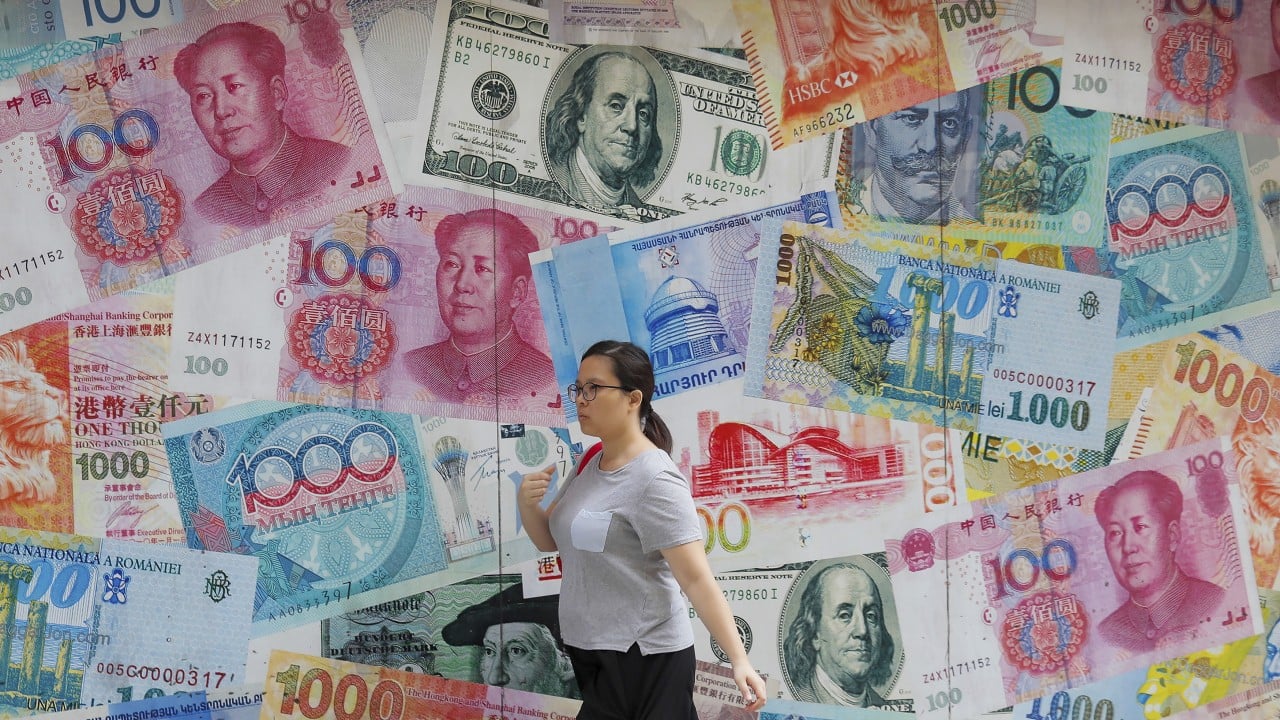
Hong Kong’s Exchange Fund, the war chest used to defend the local currency, reported a 74 per cent tumble in third-quarter earnings amid pervasive market uncertainty, the Hong Kong Monetary Authority (HKMA) said on Friday.
Earnings totalled HK$18.6 billion (US$2.4 billion) in the quarter, plunging from HK$70.8 billion a year earlier. For the first nine months of 2026, total earnings reached HK$171.9 billion, down 39.6 per cent from the same period last year.
The Exchange Fund’s Hong Kong equities portfolio recorded a loss of HK$2.7 billion in the first nine months. The Hang Seng Index fell more than 9 per cent in the first 10 months, weighed down by concerns over interest rates and corporate earnings.
“The market is full of uncertainties in the fourth quarter, which is set to make it a challenging period for the Exchange Fund,” said Eddie Yue Wai-man, chief executive of the HKMA, at a Legislative Council financial affairs panel meeting on Friday.
“The markets swing sharply daily, and the fund should focus on long-term returns in asset allocation with adequate regional and currency diversification.”
He added that the Exchange Fund had gradually reduced its US dollar asset allocation since the end of last year, while increasing holdings of other assets to bolster the portfolio’s resilience.
Bond income dropped to HK$49.4 billion in the first nine months, down 56 per cent from HK$112.6 billion in the same period last year.
Foreign currency translation gains climbed 39 per cent to HK$42 billion during the period.
Established in 1935, the Exchange Fund backs the city’s issuance of banknotes and safeguards the Hong Kong dollar from speculative attacks. The HKMA, the city’s de facto central bank, invests the fund in Hong Kong equities, overseas stocks, global bonds, international property and other long-term assets.
Returns from overseas equities plunged 95.3 per cent in the third quarter, contributing HK$1.5 billion in earnings. For the first nine months, returns dropped 8 per cent.
“The Middle East situation keeps evolving,” Yue said. “We are closely watching whether the US midterm elections will trigger a policy shift, which we believe will directly shape energy prices, inflation and interest rates, and in turn move equity and bond markets.”
He added that the US elections had also raised market concerns over whether growth in artificial intelligence and data centres would slow and trigger sharp equity swings.
“Investors are watching if corporate earnings can sustain heavy AI spending, which could spark credit risks,” Yue said. “Market volatility is expected to persist this quarter.”
KioskNews shows a cleaned-up reading view extracted from the publisher’s page — the original always lives on their site, not ours.