Forget AI KPIs: how China’s tech giants are rationing tokens for employees
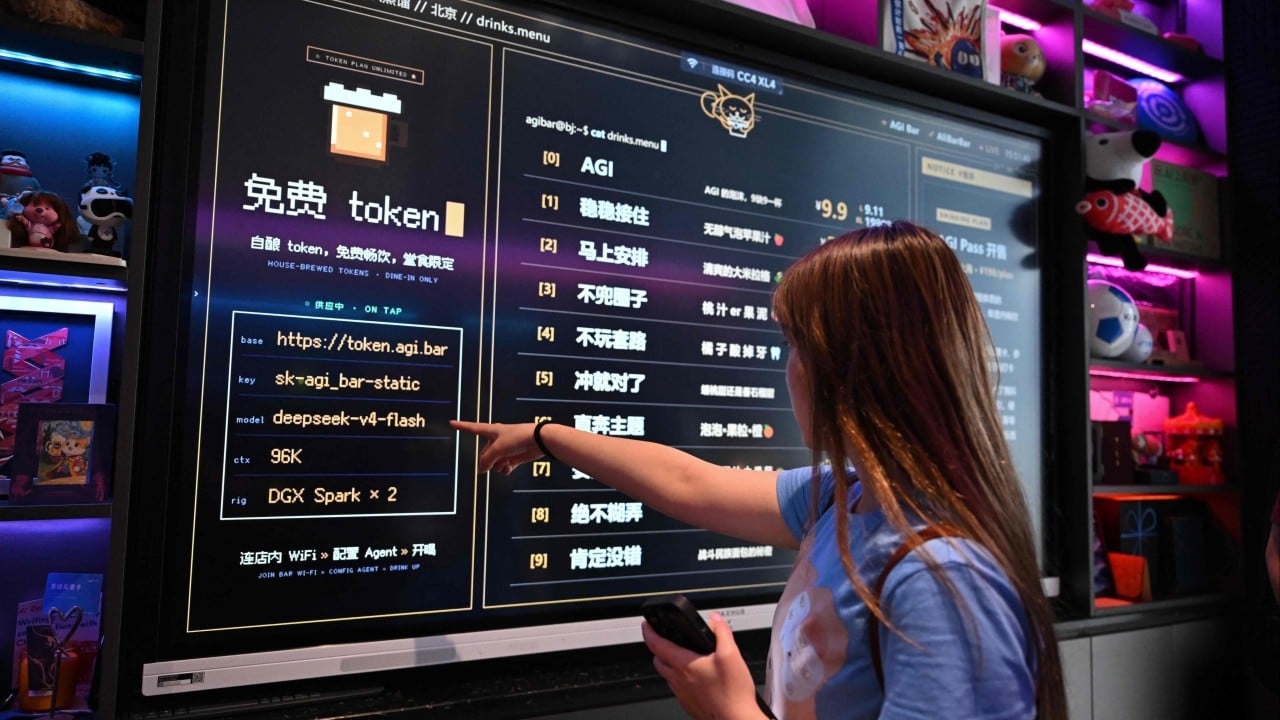
When generative artificial intelligence first swept through China’s technology sector, workers faced a clear directive from management: use AI and use it often.
Consuming vast numbers of AI tokens – the basic unit of computing power needed to process text or write code – became a badge of honour, with companies often viewing a high token count as a sign that employees were productive and taking initiative.
But those computing allowances are now being sharply rolled back as China’s leading internet companies introduce token quotas to rein in rising AI-related costs, according to staff who spoke with the South China Morning Post on condition of anonymity.
At ByteDance, one employee said staff using closed-source models must co-pay out of pocket. The company reimburses roughly half of external tool costs, capping annual payouts at around US$1,000 for technical staff and interns, and US$300 for non-technical employees, according to the staff member.
KioskNews shows a cleaned-up reading view extracted from the publisher’s page — the original always lives on their site, not ours.