A fare fight? What Hong Kong’s ride-hailing shake-up means for passengers
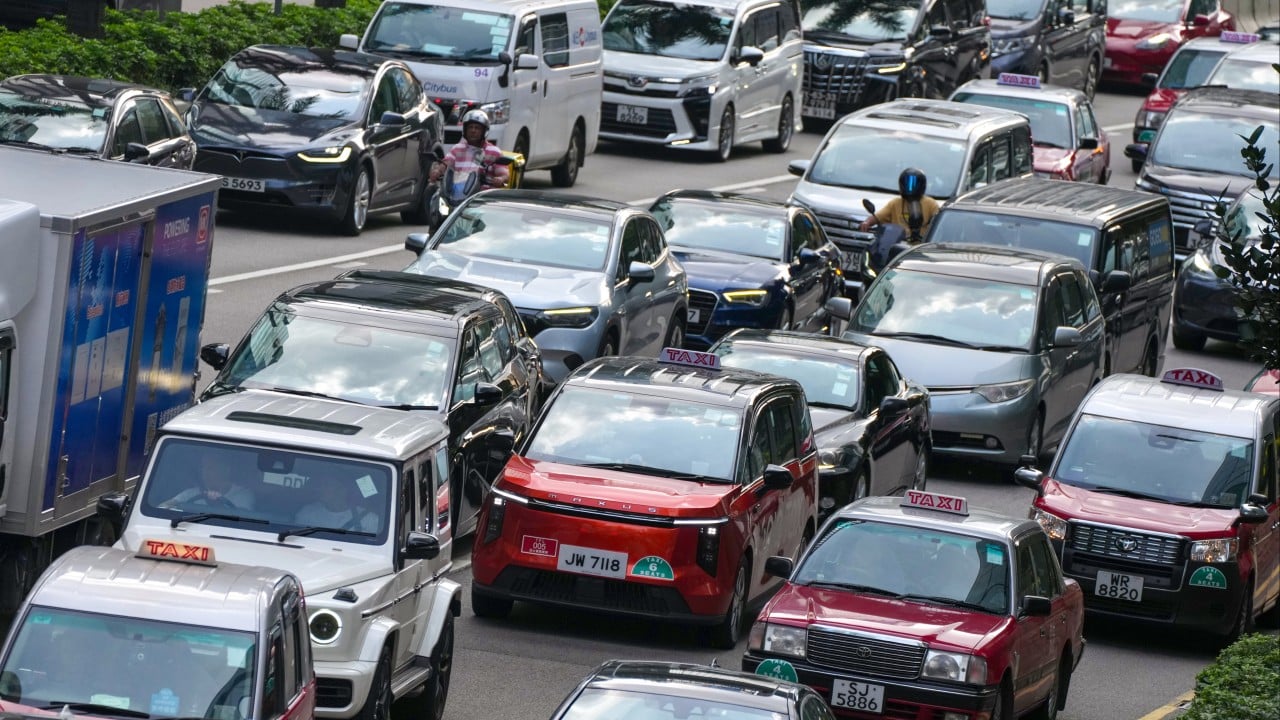
With eight companies vying for licences to provide ride-hailing services in Hong Kong under the new regulatory regime, industry observers expect a price war that will initially benefit passengers through lower fares.
But some warned that competition could eventually force weaker operators out of the market, leaving dominant players free to raise prices.
“The ride-hailing firms will fight to reduce fares in the beginning to grab their loyal customers,” said Chau Kwok-keung, chairman of the Hong Kong Taxi and Public Light Bus Association.
“At first, ride-hailing customers will enjoy cheap fares, but when the firms establish their customer base and kick their rivals out of the market, they will raise fares as they dominate the market and do as they please.”
Chau’s comments came after eight companies applied for ride-hailing licences ahead of last month’s deadline.
US-based Uber, Singapore-based Tada, Amap and Didi Chuxing, all of which already operate in the city, confirmed to the South China Morning Post that they had submitted applications.
Amap is operated by Alibaba Group Holding, which owns the SCMP.
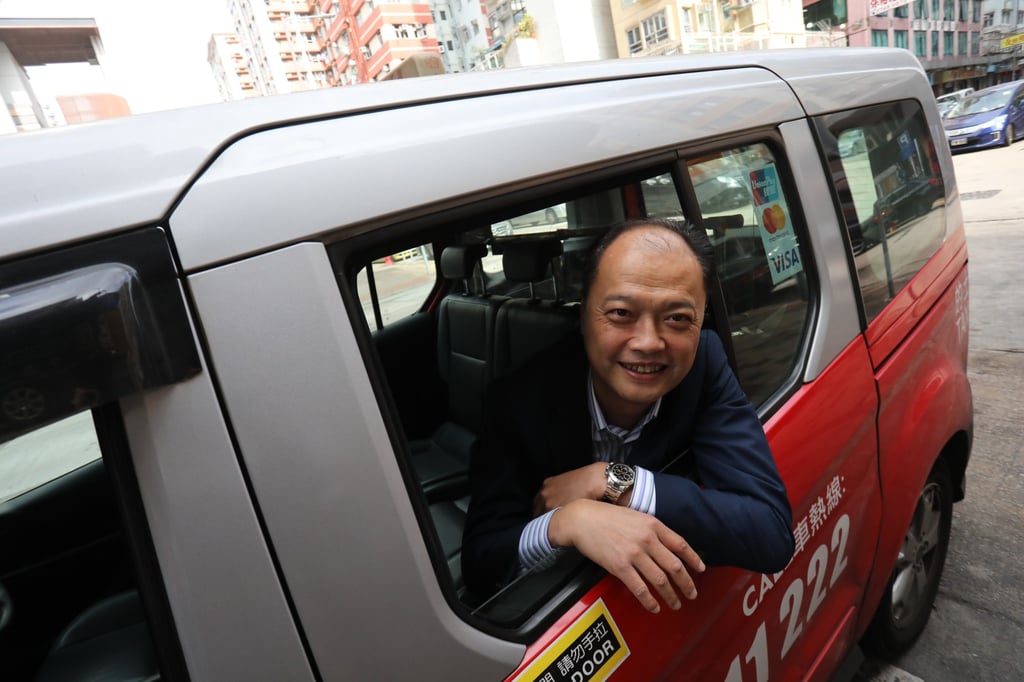
According to Chau, most of the other four applicants were based on the mainland, with one based in Singapore.
He expected all eight applications to be approved.
“They must meet all the requirements before submitting their applications. I see no reason why the government will reject any of them,” Chau said.
The government has set a quota of 10,000 ride-hailing permits, raising questions about whether the market can sustain eight operators, including industry giant Uber, or whether weaker players will be squeezed out.
Uber’s market capitalisation was about US$133.2 billion in late 2026. Its 2025 revenue was US$52.017 billion, up 18.28 per cent from 2024’s level.
Uber driver Sang Chui, 63, who also works as a clerk at a law firm, predicted that the company’s ride-hailing earnings in Hong Kong would halve as competition reduced its share of bookings.
He said Uber collected service fees equivalent to about 25 to 30 per cent of fares, or roughly HK$30 per trip.
Based on an average of six hours of operation and 12 trips per vehicle each day, the Transport and Logistics Bureau estimated that a fleet of 10,000 vehicles would provide about 120,000 daily trips, broadly in line with the previously surveyed demand of 114,000.
If those 114,000 daily trips were divided equally among eight operators, Uber would collect an estimated HK$498,750 a day, assuming it received HK$30 in service fees and a HK$5 administrative fee per trip.
Chui also predicted that competition would force Uber to cut fares by 15 per cent. He said the permit cap, combined with the growing number of competitors, would put significant pressure on the company’s profits.
“We have to remember that not all drivers granted a permit will take orders full-time,” he said.
“In the beginning, all ride-hailing firms would not hesitate to burn money to poach those drivers granted a permit. These firms are not afraid of losing money in the beginning. After the initial period, the firms will raise fares, as would everyone else.”
More than 216,000 drivers had registered with Uber and Uber Taxi in Hong Kong by 2021, according to the most recent figures from the company.
Uber previously called for 30,000 permits, which it said matched the number of drivers who worked with its platform. It warned that a cap of between 10,000 and 15,000 could push fares up by 70 per cent and might double waiting times.
Asked whether the 10,000-permit quota would allow operators to run financially viable businesses, a Tada spokeswoman described it as a positive step but said allocations should evolve with demand.
“We view the number of licences as a positive step towards the development of a well-regulated and sustainable mobility industry in Hong Kong,” she said.
“We believe it will be important for license allocation to continue evolving alongside market demand to ensure riders have access to reliable and convenient transport options when they need them.”

Other industry observers suggested that the eight applications signalled confidence in the Hong Kong market’s earning potential.
“The eight ride-hailing bidders have exceeded everyone’s expectations,” said lawmaker Ben Chan Han-pan. “An obvious advantage is that they can enter the mainland ride-hailing market via Hong Kong, which can also help [mainland firms] to tap the overseas market.”
Chui suggested that access to data, rather than ride-hailing earnings alone, could explain the strong interest.
“Uber derives its practical benefits actually from big data, not really from ride-hailing. That’s why the eight firms set their sights on ride-hailing. Their target is to dig data,” he said.
“Firms make big money from using big data to get targeted advertising.”
Walter Theseira, an associate professor of economics at the Singapore University of Social Sciences, said most markets could not sustain many small operators.
“What typically happens is a dominant platform or two emerge. Before dominance is established, typically the players lose a lot of money trying to attract drivers and riders,” he said.
He did not rule out larger operators introducing new services or pricing models, including surge pricing, where fares rise when demand exceeds the supply of available drivers in an area.
This model was widely used by Uber and other operators on the mainland and overseas.
“Anything is possible,” he said, adding that operators’ ability to launch new services would depend on their resources.
“The main beneficiary of a surge is the driver, so platforms without surges are not very attractive to drivers and so must either provide lower service quality or find a way to reward the driver anyway.”
Uber launched its Uber Eats food delivery service in Hong Kong in 2016 but shut the service down in 2021.
“Whether there are other verticals like delivery really depends on the platform. However many major platforms, like Uber and Grab, typically do place other service lines on their platforms,” Theseira said.
“Conversely, smaller platforms may not have the bandwidth to offer such other services.”
Chui said Uber and its rivals could explore other services, including yacht and helicopter bookings and cross-border rides.
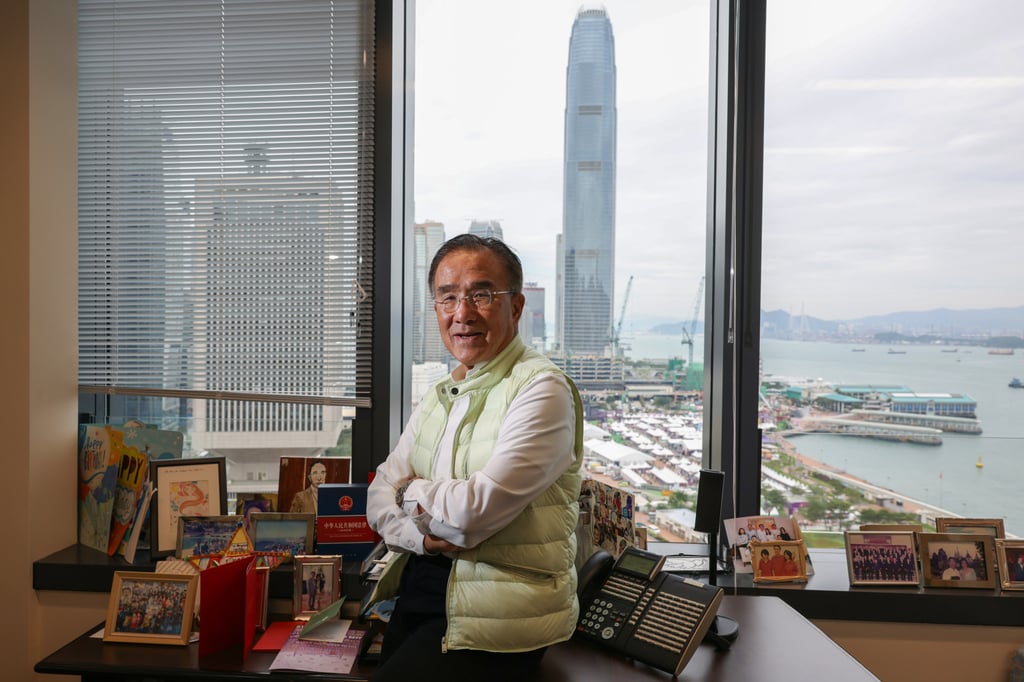
Former lawmaker Michael Tien Puk-sun said operators should not be too concerned about the permit cap. He expected the government to raise the cap to meet demand, which he believed was strong, noting that transport minister Mable Chan had promised periodic reviews.
Another former lawmaker, Gary Zhang Xinyu, now executive director of concern group Smart Transport Alliance, also expressed confidence that the applicants had assessed the market carefully, saying they must all “calculate well”.
“The enthusiastic response showed the Hong Kong market is profitable and taxis can’t meet the demand,” he said.
Simon Lee Siu-po, an economist at the Chinese University of Hong Kong’s Shenzhen Finance Institute, did not believe that rivals offering cheaper fares would force Uber out of the market.
“Uber has a strong earning power and a solid customer base. In the game of ride-hailing, the fittest survive,” he said
“Uber has ride-hailing services in many different destinations around the world. It has tremendous system support, experience, and a lot of loyal customers. Uber is ahead of the game.”
However, Lee also said Uber’s profits could suffer in the short term.
“But it can definitely restore its profit for the medium and long term. Cheaper fares by cutthroat competition won’t win customers. Only quality service can make a company sustainable,” he added.
Chau warned that a price war could threaten the survival of the city’s taxi trade.
“The number of taxis may go extinct. We may request the government to increase the number of taxi fleets,” he said.
Uber, Amap and DiDi declined to comment on whether the 10,000-permit quota was enough to make the market financially viable.
KioskNews shows a cleaned-up reading view extracted from the publisher’s page — the original always lives on their site, not ours.