Cheap deal, costly click: Singapore loses S$1.4m to social media phishing scams since July 2026
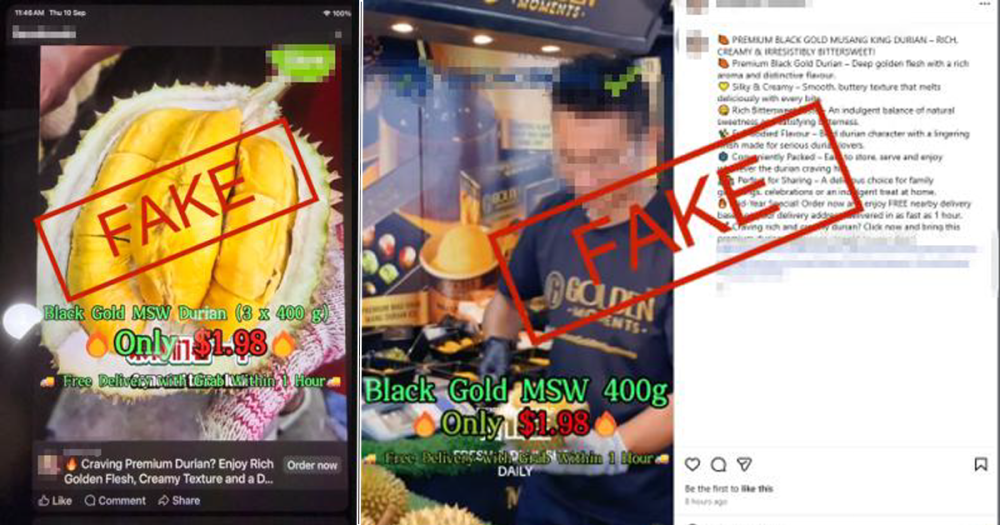

At least 246 phishing scam cases linked to social media advertisements have been reported in Singapore since July, with losses totalling at least S$1.4 million. — AsiaOne pic
First Published: Saturday, 03 Oct 2026 10:46 AM MYT
SINGAPORE, Oct 3 — With about 87 per cent of people in Singapore aged 15 and above accessing top social media sites such as Facebook, Instagram and TikTok on a weekly basis, it is unsurprising that scammers have again turned to these platforms to find their victims.
Police said in a news release last night that at least 246 cases of phishing scams that are being promoted to such platforms have been reported since July this year, with total losses amounting to at least S$1.4 million (RM4.47 million).
Victims of this scam variant would usually encounter social media advertisements offering affordable products such as household products, food items and fashion items on social media platforms.
Those who clicked on these advertisements were redirected to phishing websites and prompted to enter their card details and/or i-banking credentials.
According to the police, some victims also provided their one-time passwords or authorised digital tokens to complete the transactions.
They would only realise that they have been scammed when unauthorised transactions were made to their card or bank accounts.
Members of the public are advised to set up security features such as transaction limits, two-factor authentication, and the money lock feature on their internet banking accounts.
They should never disclose personal information such as banking credentials and login information, or one-time passwords to anyone.
If in doubt, members of the public can call the 24/7 ScamShield helpline at 1799. — AsiaOne
KioskNews shows a cleaned-up reading view extracted from the publisher’s page — the original always lives on their site, not ours.